
Understanding Wet Rooms and Their Appeal
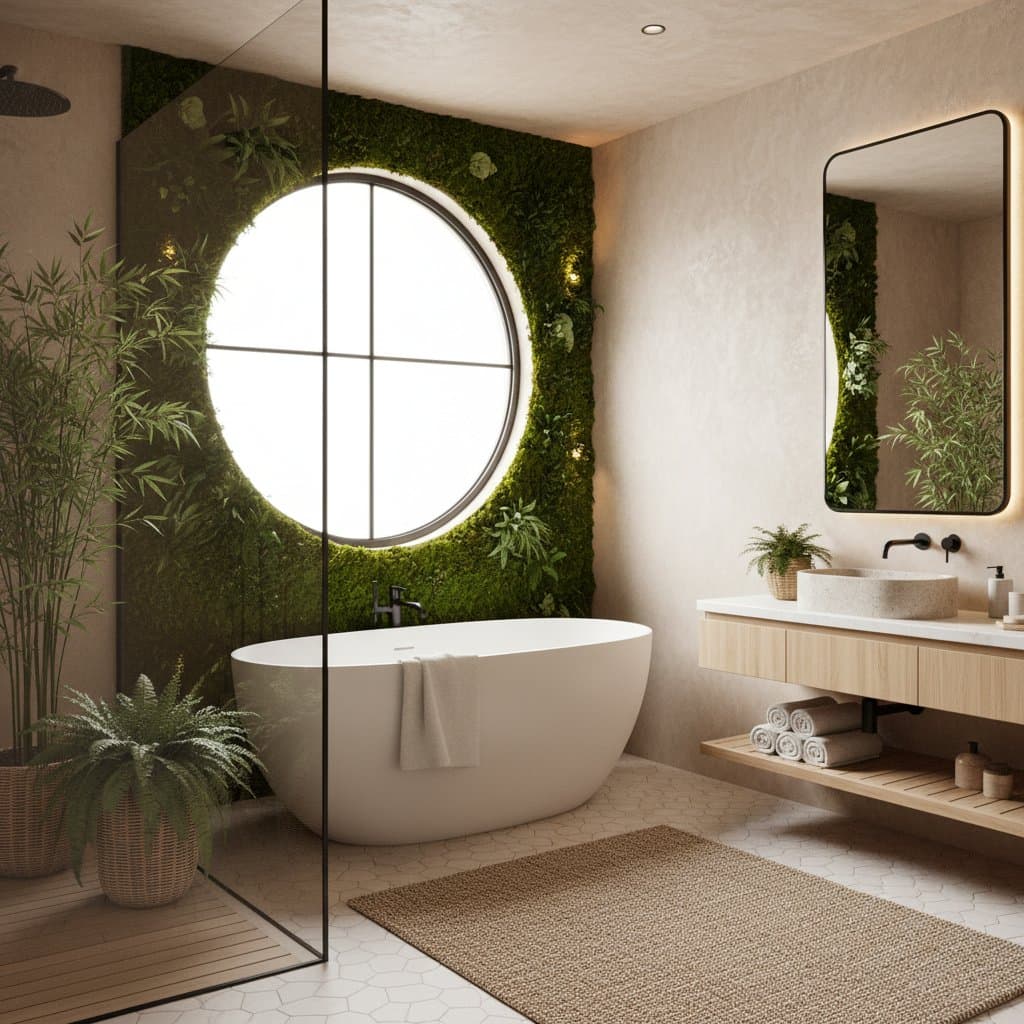
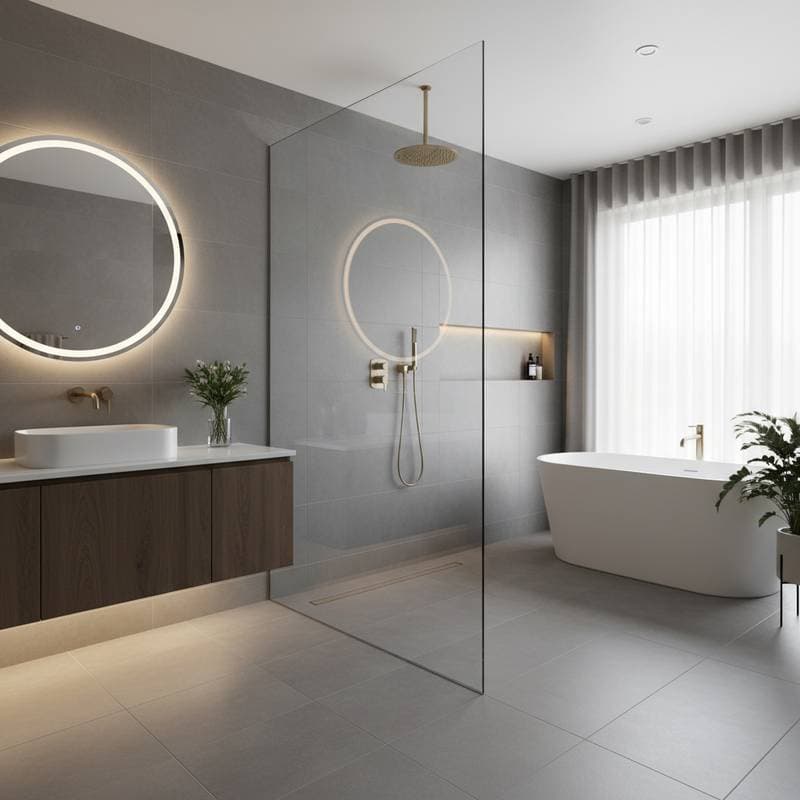
Wet rooms represent a shift in bathroom design, creating open, barrier-free environments where the shower area integrates fully with the rest of the space. This approach eliminates traditional tubs or shower enclosures, fostering a spa-like atmosphere that enhances both aesthetics and functionality. Homeowners increasingly choose wet rooms for their ability to accommodate aging in place, making daily routines safer and more enjoyable.
The rise of curbless showers contributes significantly to this popularity. These designs feature a level floor transition, reducing trip hazards and promoting universal accessibility. As building codes evolve to emphasize inclusive design, wet rooms align perfectly with 2026 trends toward sustainable, adaptable living spaces.
Factors Driving Cost Increases
Installation costs for wet rooms have climbed steadily, now averaging between $12,000 and $25,000, with many projects hitting the $20,000 mark. Waterproofing emerges as the primary culprit behind this surge, demanding specialized materials and labor to prevent moisture damage. Unlike standard bathrooms, wet rooms expose entire floors and walls to water, requiring robust protection to avoid structural issues over time.
Labor expenses also contribute substantially. Skilled contractors must handle complex tasks such as slope creation for proper drainage and the application of seamless membranes. Material choices, including high-grade tiles and sealants, further elevate the budget, especially when sourcing eco-friendly or premium options that meet modern durability standards.
Regional variations play a role as well. Urban areas with higher labor rates and stricter regulations often see costs at the upper end of the spectrum. Homeowners in coastal or humid climates face additional premiums for enhanced moisture-resistant features.
Breaking Down the Budget Components
A typical wet room project divides into several key categories, each with its own cost implications. Demolition and preparation form the foundation, costing $2,000 to $5,000 depending on the existing bathroom's condition. This phase involves removing old fixtures, assessing subfloor integrity, and ensuring plumbing compatibility.
Waterproofing accounts for 20 to 30 percent of the total, or roughly $4,000 to $6,000. Professionals apply liquid-applied membranes or sheet systems to walls, floors, and transitions, followed by testing to confirm leak-proof performance. Cutting corners here leads to expensive repairs later, underscoring the need for certified installers.
Fixture and finish selections add another $5,000 to $10,000. Curbless showers require custom drains and linear grating systems, while tiles must withstand constant exposure. Lighting, vanities, and heating elements complete the ensemble, with smart technology integrations pushing costs higher for tech-savvy designs.
Step-by-Step Installation Process
Planning begins with a professional assessment to evaluate space constraints and drainage feasibility. Architects or designers map out the layout, ensuring a minimum slope of one-quarter inch per foot toward the drain to facilitate water flow without pooling.
- Prepare the subfloor by reinforcing it for weight distribution and installing a sloped underlayment.
- Apply the waterproofing membrane in multiple layers, extending it up walls by at least six inches.
- Install the drainage system, including a floor drain with a trap primer to maintain seal integrity.
- Lay porcelain or natural stone tiles with thin-set mortar, using spacers for even grout lines.
- Seal all joints and edges with silicone caulk, then conduct a flood test to verify containment.
- Add fixtures, such as wall-mounted showerheads and grab bars, followed by final touches like mirrors and storage.
This process typically spans four to six weeks, allowing time for curing and inspections. Homeowners benefit from scheduling during off-peak seasons to potentially reduce labor fees.
Expert Tips for Budget Management
Consult multiple contractors for quotes, focusing on those experienced in wet room conversions. Request detailed breakdowns to identify potential savings, such as opting for pre-sloped shower pans over custom fabrication.
Prioritize essential waterproofing over decorative elements. Investing in quality membranes from reputable brands ensures longevity, potentially saving on future maintenance. Consider energy-efficient features like low-flow fixtures to qualify for rebates in some regions.
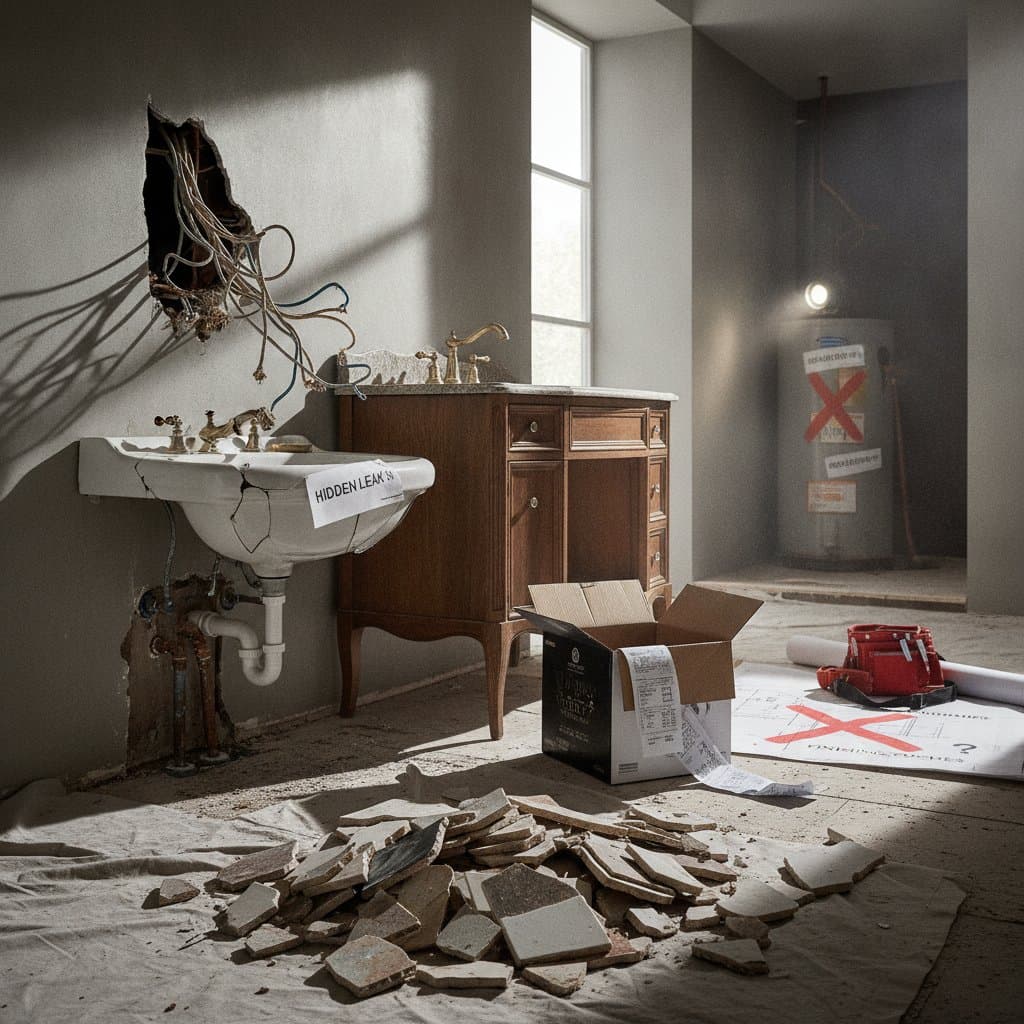
Phased approaches help spread costs. Start with core waterproofing and drainage, then add luxury finishes later. Track expenses with a dedicated spreadsheet, allocating a 10 to 15 percent contingency for unforeseen issues like hidden plumbing problems.
Achieving Lasting Value in Your Wet Room
A well-executed wet room not only elevates home value by up to 10 percent but also delivers daily comfort and safety. By understanding waterproofing demands and budgeting strategically, homeowners avoid common pitfalls and realize the full potential of this design trend. Embrace the 2026 shift toward seamless bathrooms with confidence, creating spaces that serve for years to come.