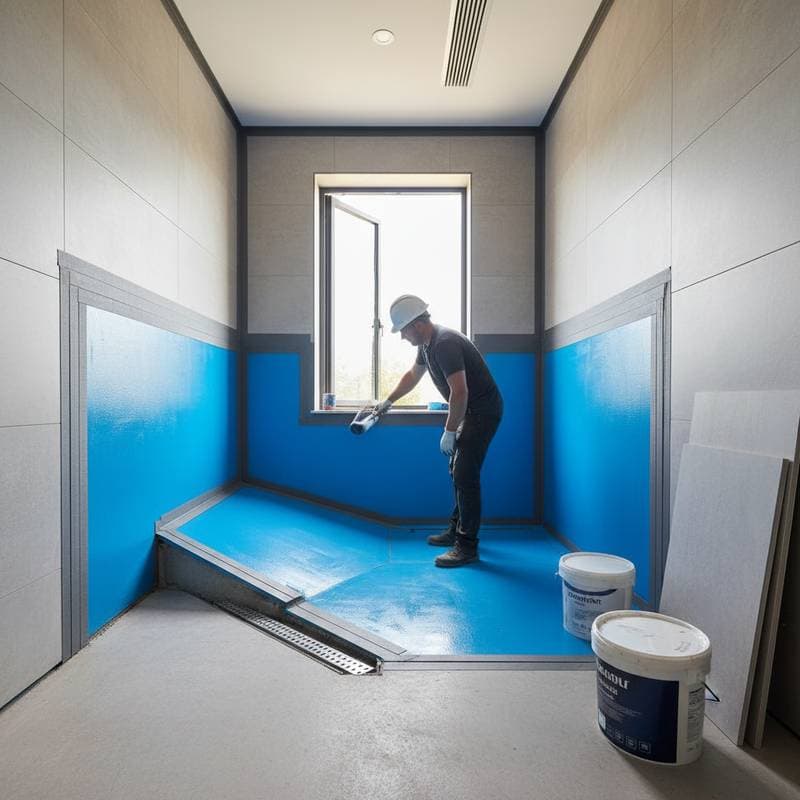
Common Waterproofing Mistakes to Avoid in Wet Rooms
A wet room offers a luxurious, seamless bathroom experience with its open shower and level floor. However, poor waterproofing can turn this dream into a nightmare of leaks, mold, and costly repairs. This guide highlights key mistakes to sidestep for a durable, spa-like space that withstands daily use.
Overlooking Subfloor Preparation
The foundation of any wet room lies in the subfloor. A common error involves using standard materials ill-suited for moisture exposure, such as untreated timber or basic plasterboard. Instead, install cement boards or waterproof membranes to create a level, solid base.
Failure to seal joints properly allows water to seep through. Apply flexible waterproof tape over all seams, corners, and screw penetrations. For conversions in older homes, verify the floor structure supports the added weight and slope; otherwise, standing water forms, leading to slips and structural damage.
Selecting Inappropriate Materials
Choosing finishes without considering water resistance leads to premature failure. Standard grout in tile installations absorbs moisture, fostering mold growth. Opt for epoxy or silicone-based waterproof grout to protect joints.
Large-format tiles reduce seams but demand precise installation due to their weight. Inexperienced cutting often results in cracks or uneven surfaces. For seamless options like vinyl or resin, ensure the applicator uses void-free techniques; air pockets trap water and cause delamination over time.
Ignoring Proper Drainage Design
Inadequate drainage turns a wet room into a pooling hazard. Neglecting the floor slope prevents water from reaching the drain efficiently. Aim for a 1-2% gradient toward the drain using a former or adjustable tray during subfloor setup.
Opting for low-quality traps invites clogs and odors. Select stainless steel linear drains for modern aesthetics and ease of tiling, or ensure square drains align perfectly to avoid lipped edges. Test the system thoroughly post-installation to confirm flow without backups.
Neglecting Ventilation and Airflow
Even robust waterproofing falters without adequate airflow. Skipping a high-capacity extractor fan allows humidity to build, promoting condensation and mildew. Install a fan rated for the room size, positioned to vent externally, and activate it during and after showers.
Poor lighting exacerbates maintenance issues by hiding early signs of wear. Use waterproof LED fixtures for clear visibility. Combine with underfloor heating to dry surfaces faster, reducing moisture retention.
Skimping on Finishing Details
Overlooking edge seals invites water intrusion behind walls. Apply silicone sealant around fixtures, corners, and transitions, selecting mold-resistant formulas. Reapply every 12-18 months to maintain integrity.
For natural stone surfaces, initial sealing is essential, but forgetting periodic resealing leads to staining and etching. Use a penetrating sealer compatible with the material, applying two coats for full protection.
Maintenance Oversights After Installation
A well-built wet room requires ongoing care to preserve waterproofing. Irregular cleaning allows soap scum to degrade seals. Use pH-neutral cleaners weekly and a squeegee daily to minimize residue.
Ignoring minor cracks in grout or sealant escalates to major leaks. Schedule annual inspections, focusing on high-moisture areas. Prompt repairs prevent water from reaching the subfloor and causing rot or electrical hazards.
Achieving Long-Term Success
Avoid these pitfalls by planning meticulously from the start. Consult certified professionals for complex elements like sloping and membrane application. With correct waterproofing, your wet room delivers years of reliable luxury, blending functionality with serene design.