
Understanding the Impact of Showers and Tubs on Resale Value
Imagine completing a bathroom renovation with updated tiles and fixtures, yet questioning the core choice between a walk-in shower and a traditional tub. This decision extends beyond personal preference; it directly affects potential resale value. National remodeling reports indicate that bathrooms rank among the top three rooms influencing home prices, with poor choices potentially reducing offers by thousands.
Homeowners often learn too late that eliminating a tub or omitting a shower can limit buyer interest. Both features offer value when aligned with local market expectations and target demographics. The following sections examine the financial implications and strategic considerations for your renovation.
Effects of Removing a Tub on Resale Potential
Homeowners frequently worry about the consequences of replacing their sole bathtub with a shower. Real estate professionals maintain that most homes require at least one tub to remain competitive. Eliminating all tubs narrows the pool of prospective buyers, particularly families.
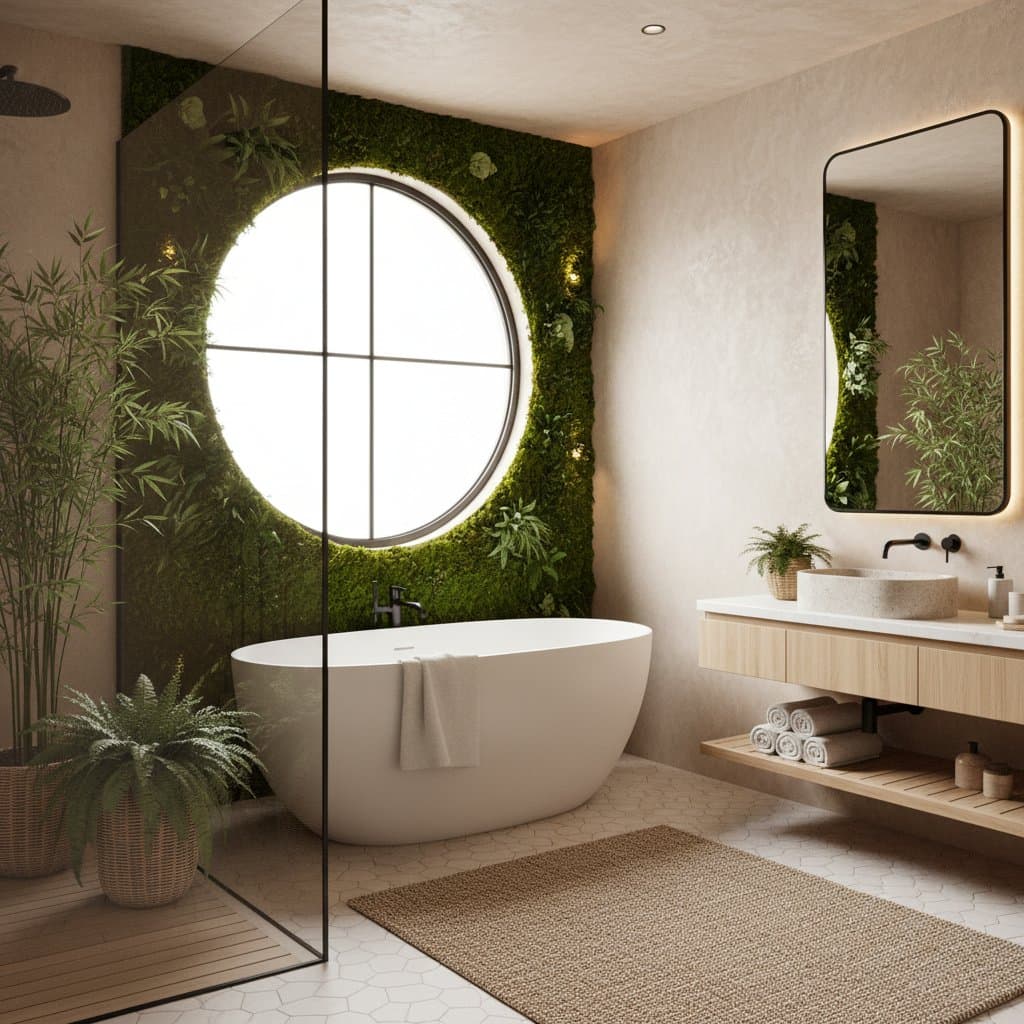
However, if another bathtub exists in the home, converting one to a walk-in shower often enhances appeal. This upgrade appeals to buyers seeking modern, low-maintenance designs.
Key financial details:
- Tub-to-shower conversion cost: Typically $10,000 to $15,000, varying by materials like porcelain tiles, custom plumbing adjustments, and frameless glass doors.
- Accessibility additions (such as built-in benches, handheld showerheads, and slip-resistant flooring): Approximately $1,000 to $3,000 extra.
- Resale value increase: Expect 2% to 4% higher buyer engagement, especially in markets favoring aging-in-place features or upscale aesthetics.
"Buyers do not mind losing one tub if the shower evokes a spa-like retreat," notes Rico Alvarez, a certified appraiser at Alvarez Valuation Group. "Eliminate every tub, however, and you restrict the audience able to envision residency."
In compact urban settings or for long-term residents, a barrier-free shower elevates perceived worth. Balance remains essential to avoid alienating key buyer segments.
Buyer Demographics and Bathroom Preferences
Bathroom configurations must align with the expectations of specific buyer groups, influenced by age, family status, and local trends. Understanding these preferences guides effective renovations.
- First-time buyers favor walk-in showers for their simple maintenance and modern lines, which suit smaller spaces.
- Families with young children prioritize at least one deep soaking tub for bath time routines.
- Seniors and accessibility-focused buyers value curbless showers with support rails to promote safety and independence.
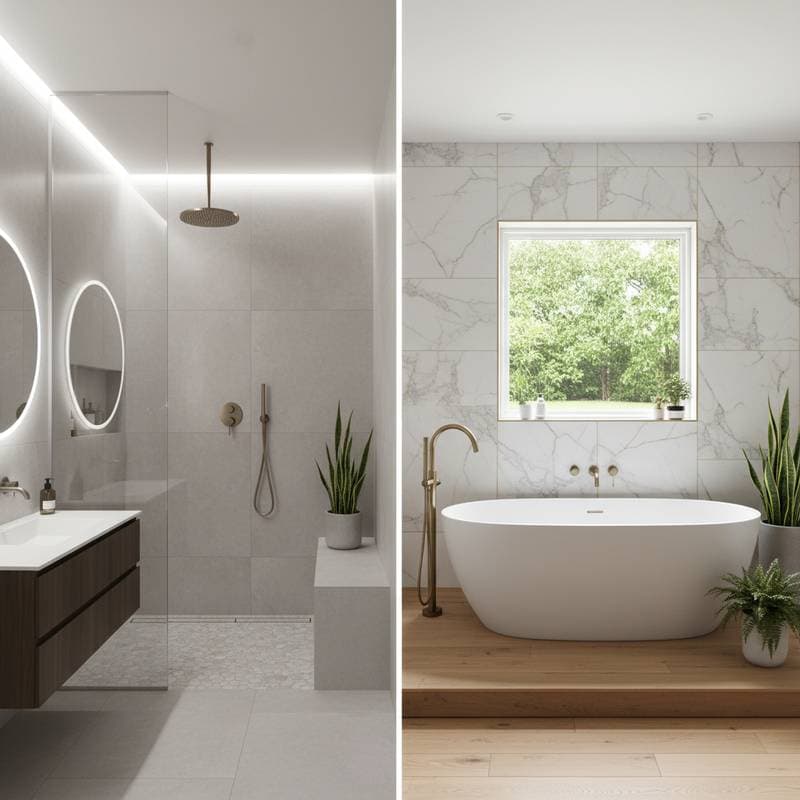
- High-end buyers seek dual setups, such as a primary suite with both a freestanding tub and a rainfall shower.
Before proceeding, review recent sales in your neighborhood. If comparable properties feature tubs prominently, removal could diminish competitiveness. In contrast, areas with contemporary designs benefit from shower-centric updates to avoid appearing outdated.
Budgeting Effectively for Bathroom Renovations
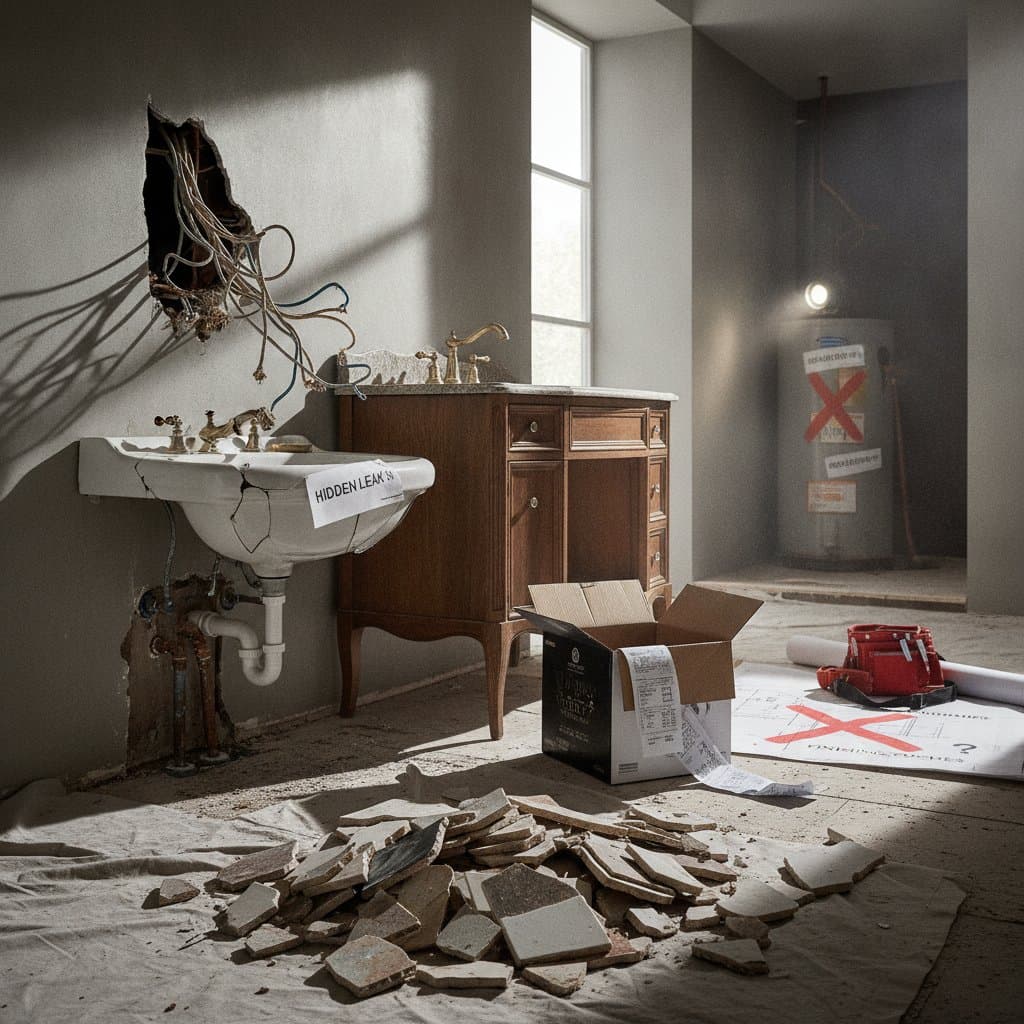
Bathroom projects demand careful financial planning due to hidden expenses like structural modifications and moisture barriers. Allocate 10% to 15% above your base estimate for unforeseen issues.
Focus on high-impact changes that yield strong returns without excess spending. Mid-level materials often provide the best value for resale-focused updates.
Practical cost-control measures:
- Preserve original plumbing positions. Relocating pipes or drains can double expenses through labor and permits.
- Incorporate modular shower panels. These pre-assembled units reduce installation time and costs in secondary bathrooms.
- Opt for refinishing over full replacement. Professional resurfacing of tubs or sinks refreshes appearances at a fraction of replacement prices.
- Solicit bids from several contractors. Regional labor rates fluctuate, so comparison ensures competitive pricing.
For resale purposes, avoid ultra-premium elements unless your home targets luxury buyers. Standard upgrades like efficient fixtures and neutral palettes deliver reliable appreciation.
Preserving and Enhancing Your Bathroom Investment
Proper upkeep safeguards the value added by your renovation, regardless of the chosen format. Schedule annual inspections to reseal grout lines, renew caulk seals, and detect moisture issues early. A pristine bathroom reassures buyers of overall home maintenance quality.
Consider long-term usability alongside market appeal. A spacious shower facilitates daily routines, while a therapeutic tub offers relaxation benefits. Prioritize durable, easy-to-clean surfaces to minimize future repairs.
Steps to Optimize Your Bathroom for Maximum Resale
To implement these insights, start by assessing your home's current setup and target market. Consult local realtors for data on recent transactions and buyer feedback. Select features that blend functionality with timeless style, ensuring broad appeal.
Document your renovation process with before-and-after photos to highlight improvements during showings. This preparation positions your property favorably, potentially accelerating sales and securing higher offers. Thoughtful choices today yield lasting financial rewards.