
Open Kitchens Fading: Walls Return Strong in 2025
Step into a recently updated home, and observe a notable change. The popular open kitchen, once a hallmark of modern living, yields to enclosed designs. Homeowners restore walls to separate cooking areas from living spaces, addressing issues like pervasive odors, excessive noise, and diminished privacy. This evolution allows for tailored functionality while preserving an inviting atmosphere.
Design professionals draw on proven strategies to guide this transition. The following ten rules provide a framework for creating enclosed kitchens that prioritize comfort, efficiency, and visual appeal. These principles stem from practical applications in diverse home settings.
1. Establish Clear Functional Zones
Open plans often blur boundaries between activities, leading to cluttered workflows. Without defined areas, meal preparation spills into relaxation zones, creating chaos during family gatherings.
Consider a household where cooking routines disrupt nearby seating areas. Restoring walls delineates spaces for cooking, cleaning, and serving, fostering order.
Incorporate dividing elements such as half-walls or cabinetry islands to segment the kitchen logically. Position sinks, stoves, and refrigerators within easy reach, following the classic work triangle principle with distances of four to nine feet between fixtures.
This approach streamlines tasks and reduces unnecessary movement, resulting in a more intuitive and less stressful environment.
2. Control Sound, Smell, and Sightlines
In open configurations, kitchen noises and aromas permeate the entire home. Appliances like blenders and exhaust fans interfere with quiet moments elsewhere.
One family discovered that their open layout amplified morning preparations, disturbing sleep in adjacent rooms.
Install solid walls or strategic barriers to contain these elements. Pair them with a high-performance range hood boasting at least 600 cubic feet per minute airflow, vented directly outdoors.
For enhanced isolation, apply sound-absorbing materials such as acoustic panels or double-layered drywall. Opt for solid-core doors to minimize sound transmission.
Such measures create a serene household, keeping cooking disturbances localized and maintaining fresh air throughout.
3. Optimize Ventilation and Air Quality
Enclosed spaces demand effective air circulation to prevent staleness and excess humidity. Poor ventilation in closed kitchens can lead to lingering moisture and mold risks.
Homeowners frequently overlook how walls trap cooking byproducts, affecting comfort during extended use.
Integrate multiple ventilation sources, including exhaust fans above cooking surfaces and windows for natural airflow. Ensure vents connect to exterior ducts without shared pathways.
Select fans with variable speeds and quiet operation, rated for noise levels below three sones. Add dehumidifiers if humidity persists in humid climates.
Improved air management promotes health and longevity of kitchen surfaces, while enhancing the overall usability of the space.
4. Use Walls to Define Lighting Zones
Shared illumination in open kitchens often inadequately lights specific tasks, casting uneven shadows over counters.
A uniform overhead setup appears modern yet compromises precision in food preparation areas.
Enclosed designs enable customized lighting layers. Employ ceiling-mounted ambient lights alongside under-cabinet strips and focused pendants above key zones.
Position task lights approximately 18 inches above counters for optimal illumination, selecting bulbs with a 3000K warm tone to evoke coziness.
This layered system supports varied activities, from detailed chopping to casual dining, while reducing eye strain.
5. Maximize Storage Within Boundaries
Walls in enclosed kitchens offer untapped potential for integrated storage, unlike open plans that prioritize visibility over capacity.
Limited wall space in open areas often results in exposed clutter, hindering organization.
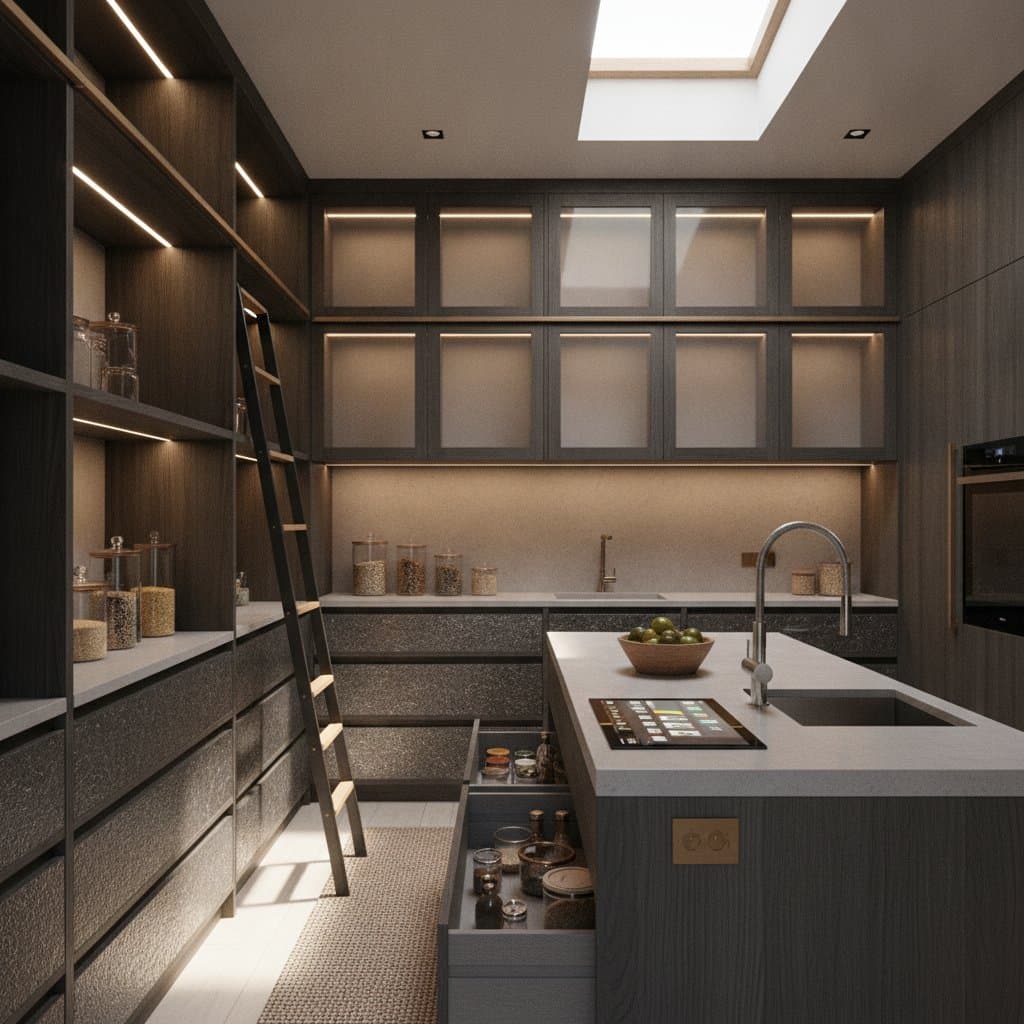
Build custom cabinetry flush against walls, utilizing vertical space with tall units and pull-out drawers. Incorporate open shelving sparingly for accessible items like spices.
Choose soft-close mechanisms and adjustable shelving to accommodate evolving needs. Ensure depths align with standard 24-inch counters for ergonomic access.
Ample, concealed storage declutters surfaces, promoting a tidy appearance and efficient inventory management.
6. Balance Privacy with Openness
Full enclosure risks isolating the kitchen from family interactions, a concern for social cooking enthusiasts.
Modern preferences favor connection without total exposure, avoiding the stark divisions of older homes.
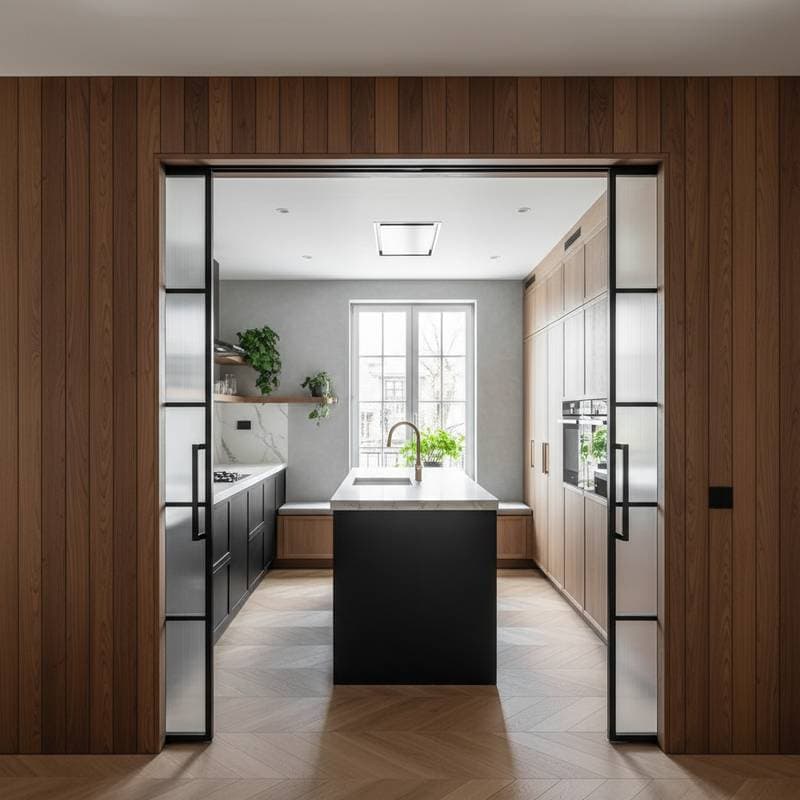
Employ hybrid features like low partitions, transparent glass panels, or elevated clerestory windows to foster visibility. A serving hatch connects to dining areas while blocking direct views of mess.
Use tempered glass at least three-eighths inch thick for safety in glass elements. Frosted or textured options provide subtle privacy.
This setup preserves relational flow, allowing oversight of activities without compromising the benefits of separation.
7. Enhance Circulation and Flow
Reintroducing walls alters movement patterns, potentially creating bottlenecks in high-traffic areas.
Narrowed paths from improper placement disrupt daily routines, such as moving between stove and refrigerator.
Design entry points and pathways with at least 36 inches of clearance. Position doors and arches to align with adjacent room flows, avoiding dead-end configurations.
Incorporate rounded corners on islands and smooth transitions in flooring to guide natural progression.
Optimized layout ensures smooth navigation, accommodating multiple users and reducing frustration during peak times.
8. Invest in Durable Surfaces and Easy Maintenance
Enclosed kitchens endure intensive use, necessitating robust materials that withstand spills and heat.
Visible wear in open setups draws attention, but closed designs hide yet amplify the need for resilience.
Select countertops from quartz or porcelain, known for stain resistance and thermal stability. Pair with cabinets in low-maintenance laminates or sealed woods.
Apply satin-finish paints on walls for wipeable surfaces, particularly around wet zones. Use protective liners in drawers to simplify upkeep.
These choices sustain aesthetics over time, minimizing repair efforts and preserving a welcoming vibe.
9. Integrate Appliances Seamlessly
Bulky appliances can overwhelm enclosed spaces if not thoughtfully placed, disrupting harmony.
Open plans forgive awkward integrations, but walls demand precise fitting to avoid protrusion.
Embed appliances into cabinetry, such as panel-ready refrigerators and slide-in ranges. Allocate dedicated zones for large items, ensuring ventilation gaps of at least two inches.
Coordinate finishes across units for uniformity, opting for stainless steel or matte black to blend with surroundings.
Seamless integration elevates efficiency and visual cohesion, turning functional tools into design assets.
10. Match Design Character to the Whole Home
An enclosed kitchen mismatched with surrounding aesthetics creates jarring transitions.
Altered sightlines from new walls influence the home's cohesive feel, demanding thoughtful alignment.
Harmonize elements like moldings, hues, and textures across spaces. Extend flooring materials or use complementary hardware for continuity.
Maintain partition thicknesses at around 4.5 inches, including drywall, to match existing structures seamlessly.
Unified styling reinforces the home's narrative, enhancing perceived value and personal satisfaction.
Applying These Principles in Renovation
Enclosed kitchens restore equilibrium to living spaces, blending the lessons of openness with the advantages of definition. Walls serve as versatile assets, shaping environments that support both solitude and togetherness.
When embarking on updates, evaluate your household's rhythms to apply these rules effectively. The result yields kitchens that not only perform but also enrich everyday experiences with refined comfort and practicality.