
2026 Biophilic Kitchens: Integrating Nature into Home Design
Imagine preparing breakfast amid thriving herbs, with sunlight illuminating a stone backsplash and the aroma of fresh basil enhancing your coffee. This scene captures the essence of a biophilic kitchen, where natural elements foster tranquility and functionality. As urban living intensifies, these designs counterbalance screen-dominated routines by bringing the outdoors indoors.
Biophilic design principles draw from nature to improve well-being and sustainability. In kitchens, this approach emphasizes materials, lighting, and greenery that create restorative spaces. A Global Home Design Index report indicates that over 50 percent of homeowners now seek natural materials and ample daylight in renovations, signaling a lasting shift toward healthier home environments.
Defining Biophilic Kitchen Design
A biophilic kitchen incorporates natural connections through thoughtful selections of materials, light, and vegetation. The aim is to evoke a sense of grounding without overwhelming the practical needs of daily use. This design philosophy promotes calm and vitality in the core of the home.
Maria Leighton, architect and founder of Studio Verdant Interiors, notes, "A biophilic kitchen invites nature in, but it also reminds you to slow down. It is design therapy that happens to double as a functional workspace."
Key features include:
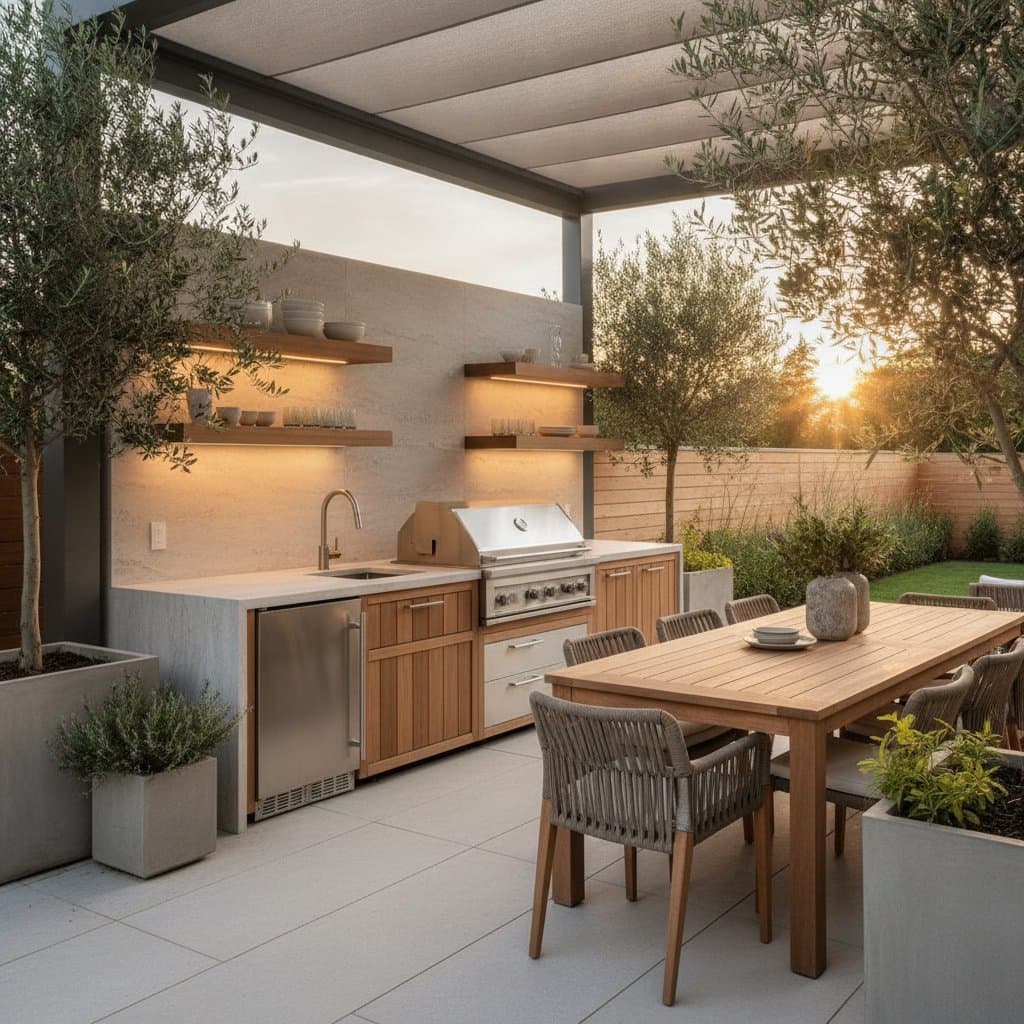
- Natural materials like wood, clay, and stone for warmth and durability.
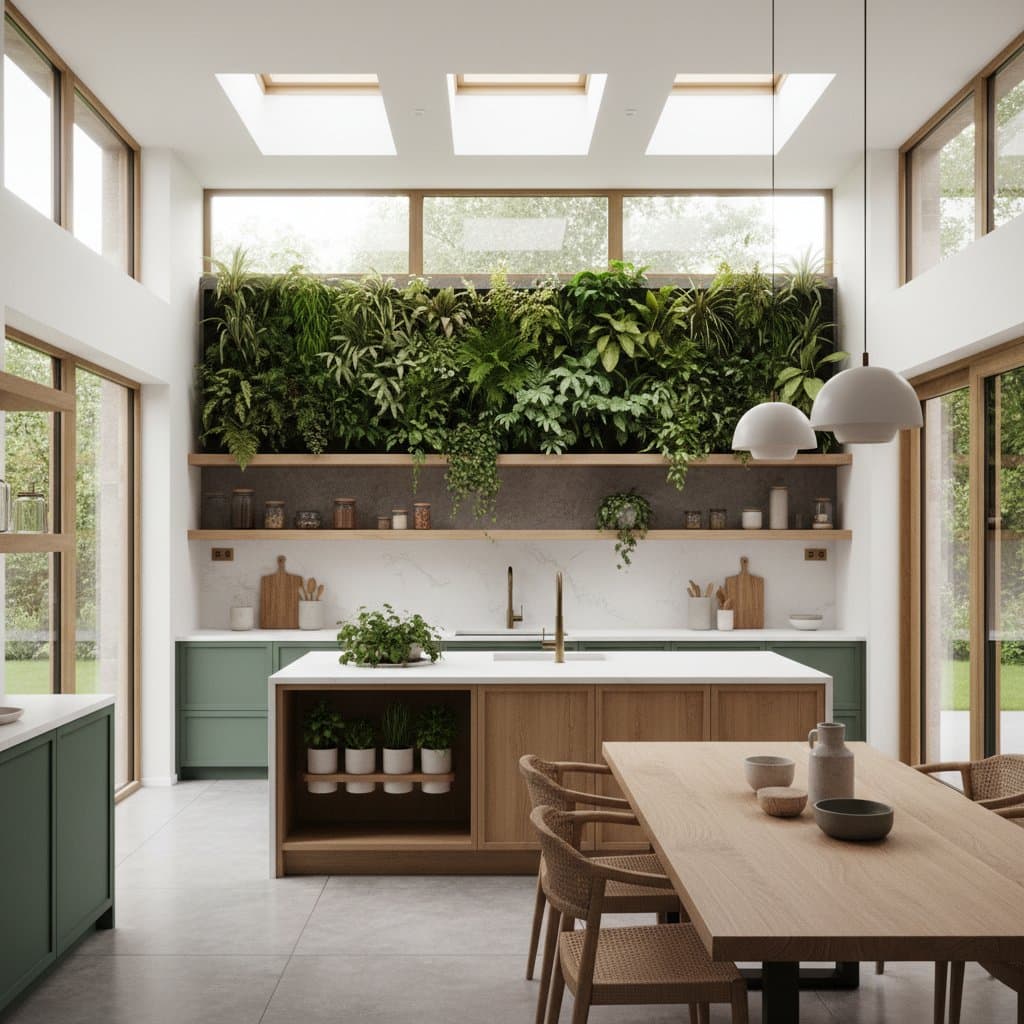
- Enhanced natural light via skylights or expansive windows to brighten the area.
- Indoor plants or living walls to introduce greenery and purify air.
- Color schemes drawn from natural landscapes, such as earthy greens and soft neutrals.
- Access to outdoor views, even through simple potted plants on sills.
These elements combine to form a cohesive, inviting space that supports both cooking and relaxation.
Budgeting for Biophilic Upgrades
Incorporating biophilic features requires careful financial planning, as natural options often exceed standard remodel costs. A typical kitchen renovation ranges from $25,000 to $75,000, with biophilic additions increasing expenses by 10 to 20 percent due to premium materials and installations.
Darren Cho, sustainable designer at EarthBuilt Homes, observes, "Natural materials cost more upfront, but they often last longer. Oak cabinetry can outlive two generations of laminate, and natural light can reduce energy bills over time."
Consider these budget allocations:
- Natural materials and finishes: Reclaimed wood or bamboo counters may add $5,000 to $10,000 over synthetic options.
- Lighting enhancements: Installing skylights or enlarging windows typically costs $2,000 to $8,000, depending on structural needs.
- Greenery integrations: Hydroponic herb gardens or vertical planters range from $200 for basic setups to $5,000 for advanced systems.
- Energy-efficient additions: Ventilation and smart controls contribute $1,000 to $3,000 initially but yield savings on utilities.
For cost-effective implementation, prioritize high-impact changes like herb shelves or light-filtering curtains before major alterations.
Balancing Functionality and Well-Being
Biophilic kitchens prioritize sensory harmony to elevate daily routines. Beyond visual appeal, these spaces influence mood and productivity through subtle natural cues.
A Habitat Design Group study reveals that occupants in biophilic environments experience reduced stress and greater satisfaction. This psychological benefit stems from elements that mimic natural rhythms and textures.
Essential Sensory Components
- Visual appeal: Layer textures with moss-inspired greens, neutral beiges, and serene blues to create depth.
- Tactile quality: Select smooth stones, matte tiles, and oiled woods for comfortable interaction.
- Aromatic presence: Integrate herbs, citrus, or essential oil diffusers to infuse subtle, refreshing scents.
- Auditory calm: Incorporate gentle water elements or open layouts that allow natural sounds to flow in.
Fiona Marlow, interior designer at The Balanced Nest, explains, "When we bring natural materials and sensory cues into the kitchen, it changes how people move and feel. It is not just a room anymore. It is an experience."
These features ensure the kitchen serves as a nurturing hub rather than a mere utility space.
Strategies for Cost-Effective Implementation
Achieving biophilic design demands strategic choices to align aesthetics with practicality. Focus on phased updates to manage expenses while building toward a cohesive vision.
Effective approaches include:
- Incremental additions: Introduce potted plants or LED grow lights before committing to full renovations.
- Material repurposing: Source reclaimed wood from local suppliers to cut costs and support sustainability.
- Durable selections: Opt for timeless finishes like unsealed stone that require minimal upkeep.
- Expert collaboration: Engage sustainable designers to identify authentic eco-materials and negotiate better rates.
- Financial buffering: Allocate 10 to 15 percent of the budget for unforeseen variables in natural sourcing.
Sean Patel, financial planner at HomeValue Insights, advises, "Homeowners who treat sustainability as an investment tend to see better long-term returns, not only in resale value but in quality of life."
Such planning transforms ambitious ideas into attainable realities.
Evaluating Return on Investment
The value of a biophilic kitchen extends beyond initial outlay to tangible and intangible benefits. In markets favoring eco-conscious buyers, these features boost appeal and marketability.
Real estate professionals note that properties with natural kitchens command 5 to 10 percent higher prices and sell more quickly. The design's emphasis on wellness resonates with discerning purchasers seeking authentic luxury.
Non-financial gains include lower utility costs from efficient lighting and improved air quality from plants, which encourage home-cooked meals and family gatherings. These outcomes enhance daily living and long-term satisfaction.
Pitfalls to Sidestep in Design
Common errors can undermine the serenity of biophilic kitchens, so attention to detail is crucial. Thoughtful planning prevents issues that compromise functionality.
Avoid these oversights:
- Excessive plant density: Limit greenery to prevent clutter and ensure easy navigation.
- Neglected upkeep: Select low-maintenance systems like self-watering planters to sustain vibrancy.
- Inadequate airflow: Pair plants with robust ventilation to mitigate humidity and mold risks.
- Disjointed aesthetics: Curate a unified material palette to maintain harmony.
- Budget oversights: Obtain quotes from multiple vendors, as natural resource prices vary seasonally.
Prioritizing equilibrium yields a space that delights without demanding excessive effort.
Sustaining Your Biophilic Kitchen
Natural elements in kitchens require ongoing care to preserve their appeal and performance. Regular attention ensures these features remain integral to home life.
Maintenance practices involve:
- Gentle cleaning: Apply plant-based cleaners to safeguard wood and stone surfaces.
- Humidity control: Use dehumidifiers or fans to protect materials from excess moisture.
- Plant rotation: Update foliage quarterly to keep displays fresh and diverse.
- LightEmploy adjustable shades to adapt to seasonal sunlight variations.
Embracing the organic evolution of these spaces, from patina on counters to maturing herbs, deepens the connection to nature.
Realizing Lasting Benefits
Biophilic kitchens represent a forward-thinking investment in health and harmony. By weaving natural principles into daily routines, homeowners cultivate environments that nurture body and mind. This design choice not only elevates the home but also aligns with broader trends toward sustainable, restorative living.