Understanding Mudroom Remodel Costs in 2026
The National Kitchen and Bath Association’s Home Remodeling Outlook indicates that nearly 47 percent of homeowners plan entryway or mudroom renovations within the next two years. Average budgets have increased by 12 percent due to inflation and material shortages. Homeowners now view the mudroom as a key area for financial planning in home improvement, where thoughtful design and transparent budgeting create both style and efficiency.
A strategic mudroom remodel extends beyond storage and appearance. It focuses on value engineering, stable budgeting, and optimal space use. These elements contribute to everyday usability and enhanced resale value.
The Impact of Mudrooms on Home Value and Livability
Although a mudroom may appear secondary to kitchens or bathrooms, it significantly influences home value and daily comfort. The Remodeling Cost vs. Value Report shows that functional upgrades, such as entryway storage and laundry integration, yield a 68 percent return on investment.
Mudrooms serve as the foundation for household organization. They minimize damage to primary living spaces, promote cleanliness, and provide a seamless shift from exterior to interior environments. Real estate professionals note that prospective buyers prioritize practical entry areas that accommodate family activities, pet needs, or equipment storage.
Lisa Chen, real estate analyst at Metro Market Insight, states, “A well-executed mudroom remodel adds perceived square footage by improving flow. Buyers mentally add value when they see organized, purpose-built spaces.”
Detailed Budget Breakdown for an $8,500 Mudroom Remodel
Establish an initial cost estimate before starting demolition, incorporating a 10 to 15 percent contingency fund. This reserve addresses unforeseen problems, such as subfloor issues or inadequate insulation, which frequently arise during construction.
For a midrange mudroom remodel totaling around $8,500, allocate funds as follows:
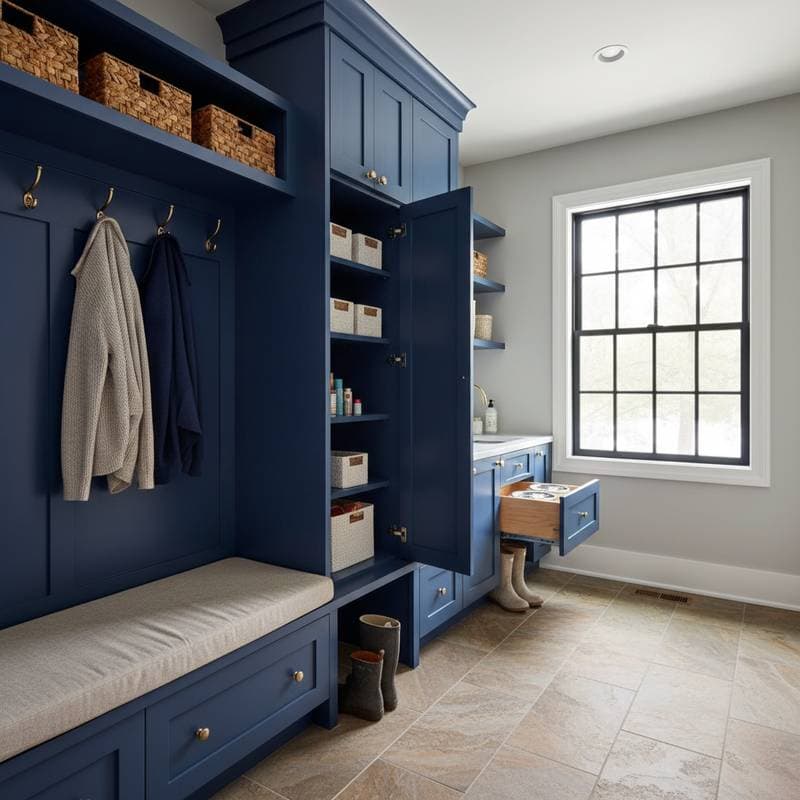
- Cabinetry and shelving: $2,500 to $5,000, prioritizing modular units for flexibility and cost control.
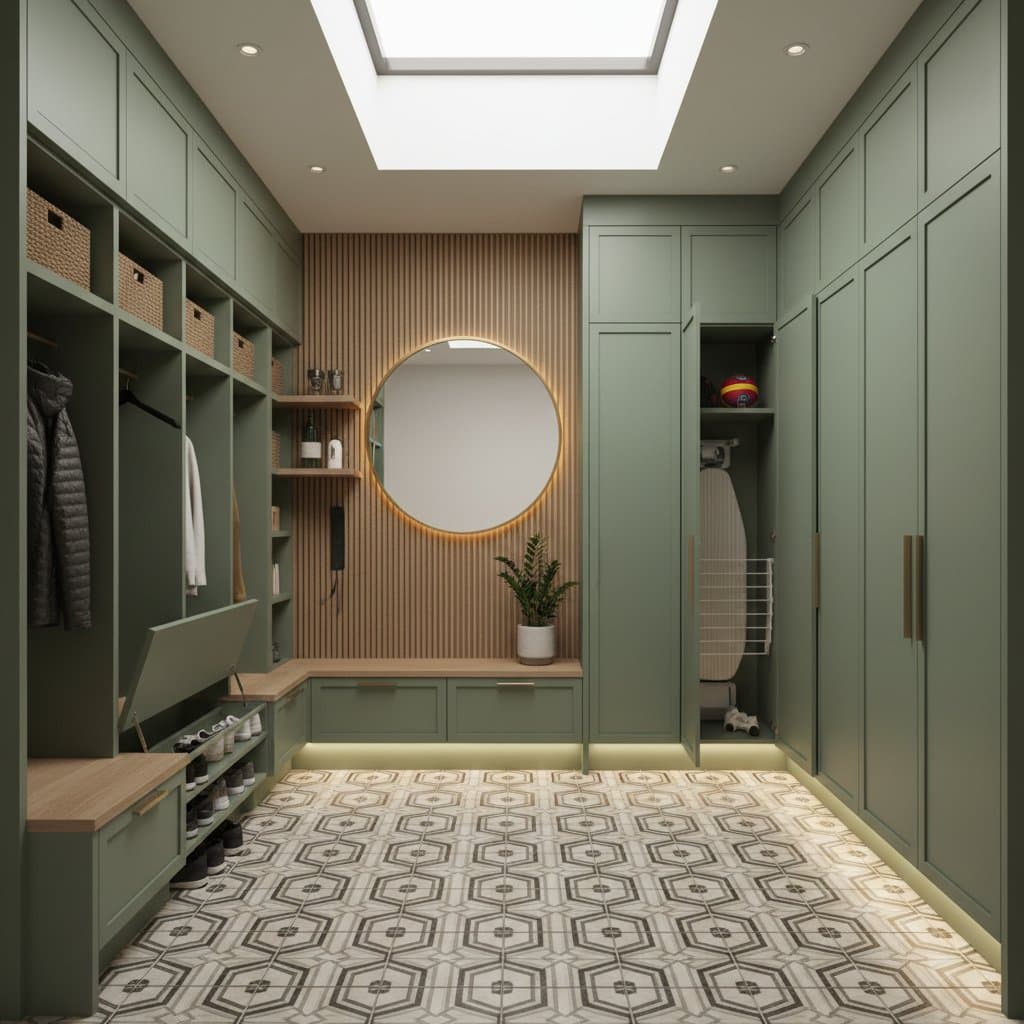
- Flooring: $1,000 to $3,000, selecting durable options like vinyl plank or porcelain tile to withstand heavy use.
- Lighting and electrical: $800 to $1,500, including task lighting over workspaces and outlets for appliances.
- Painting and finishes: $600 to $1,200, using moisture-resistant paints and simple trim for longevity.
- Labor and design fees: $3,000 to $5,500, covering contractor oversight and basic plan development.
Cynthia Morales, project manager at Northpoint Interiors, advises, “Budget planning should start with a line-item approach. When homeowners allocate funds per component, they can make informed trade-offs without derailing the total spend.”
On a constrained budget, direct resources toward long-lasting materials and essential fixtures. Consider value engineering techniques, such as using painted medium-density fiberboard instead of custom woodwork, opting for midgrade tiles, or postponing nonessential decorative elements.
Smart Layout Strategies to Maximize Functionality
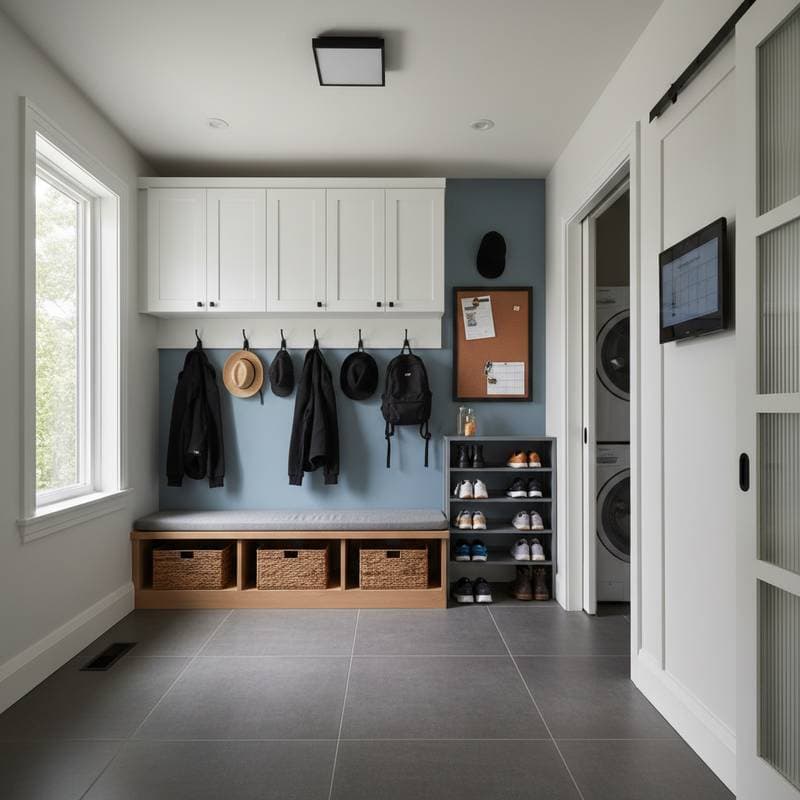
Effective mudroom layouts transform underutilized space into a efficient hub. Begin by assessing traffic patterns and storage requirements to avoid bottlenecks. For instance, position hooks and benches near the door for quick gear drops, while placing deeper cabinets along walls for bulkier items like boots or sports equipment.
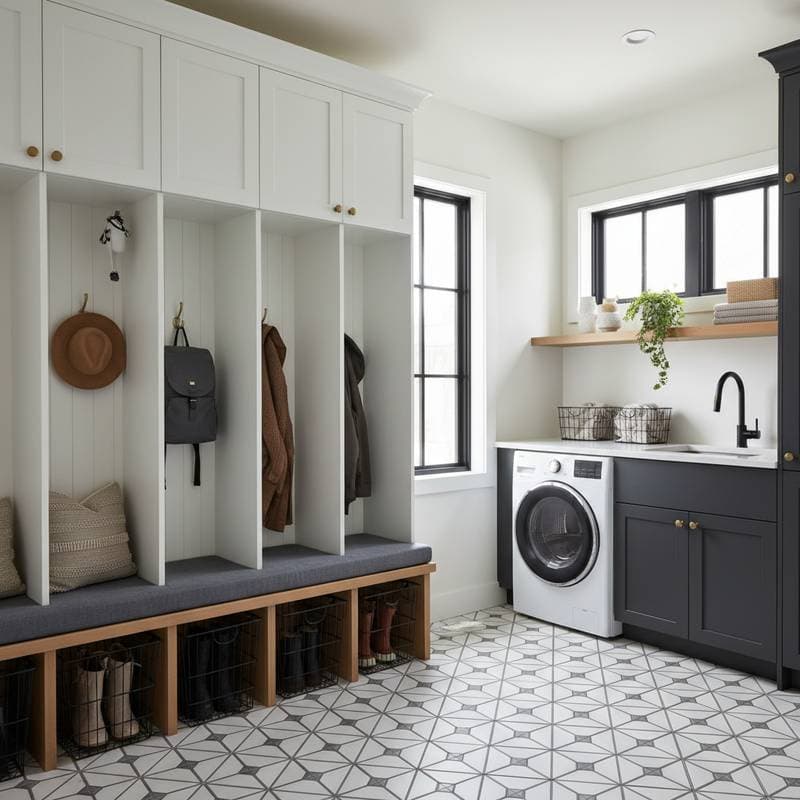
Incorporate zones for specific uses: a drop zone for keys and mail, a cleaning area with a utility sink, and integrated laundry if space allows. Vertical storage solutions, such as wall-mounted racks or open shelving, preserve floor area and enhance accessibility. Aim for at least 36 inches of clearance around key features to ensure smooth movement.
Experts recommend sketching a floor plan early, using graph paper or free design software to test configurations. This step prevents costly adjustments later and ensures the layout aligns with household routines, ultimately saving time and money.
Strategies to Avoid Costly Mistakes in Your Remodel
Overdesigning for Aesthetics Over Function
Tailor the mudroom to actual daily demands rather than emulating high-end kitchens. Elements like marble surfaces or elaborate glass features lead to unnecessary expenses with limited practical benefits. Prioritize utility to maintain budget discipline.
Neglecting Material Durability
Inexpensive paint or flimsy hardware deteriorates rapidly in busy zones. Select items resistant to water, soil, and collisions. Allocating an additional 10 percent toward robust choices typically halves future maintenance costs.
Overlooking Expert Guidance
Amateur designs frequently ignore essential spatial dynamics. Engage a designer or contractor to spot concerns like pathway widths, accessibility standards, and air circulation needs that nonexperts might overlook.
Essential Resources for Effective Project Management
To oversee budget and implementation, seek support from reliable professionals and tools. The National Association of the Remodeling Industry offers certified remodelers and detailed cost guidelines. Houzz Pro Find connects users with local contractors backed by client feedback.
Consult local building departments for permit fees and inspection protocols. For affordable inspiration, visit contractor showrooms or supplier warehouses, which provide competitive pricing on professional materials unavailable in standard retail settings.
Executing Your Mudroom Remodel: Steps to Success
A successful mudroom transformation emphasizes structured finances and project oversight over extravagant details. Use modular designs, monitor expenses by stage, and emphasize resilient components to deliver lasting value.
Identify core requirements, such as built-in seating, ample storage, or laundry connections. Develop a foundational budget with appropriate reserves, and involve experts from the outset. Adhere to choices that balance aesthetic goals with fiscal constraints.
This approach not only improves routine efficiency but also elevates property appeal. Through clear budgeting, practical selections, and a defined timeline, the project generates returns in usability and market worth.