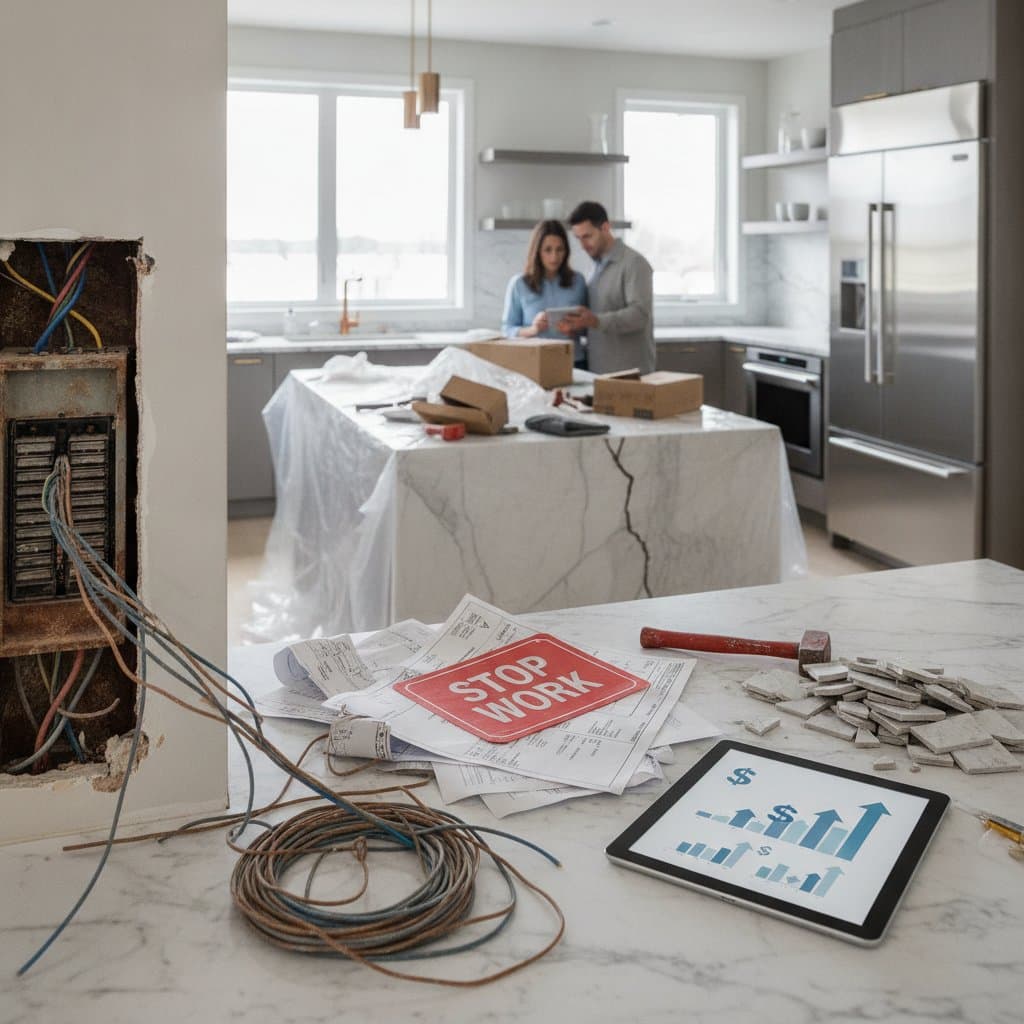
Seizing the Opportunity with Lower Rates
Homeowners often delay remodels due to high borrowing costs, yet the anticipated drop in loan rates for 2026 changes that dynamic. These reduced rates lower monthly payments and total interest expenses, freeing up funds for quality materials and professional services. As a result, projects that once seemed out of reach become feasible, enhancing living spaces while preserving financial stability.
Consider the broader economic context: central banks adjust rates to stimulate growth, and forecasts indicate a continued downward trend into 2026. This environment favors borrowers with strong credit profiles, who stand to gain the most from locked-in low rates. Early action positions individuals to capitalize on these benefits before potential shifts occur.
Navigating Loan Options for Remodeling
Selecting the appropriate loan requires understanding available types and their implications for remodel projects. Home equity loans provide a lump sum based on property value, ideal for substantial undertakings like kitchen overhauls. These fixed-rate options ensure predictable payments, aiding long-term financial planning.
Home equity lines of credit offer flexibility, functioning like a revolving credit source for phased renovations, such as sequential room updates. Interest applies only to drawn amounts, which suits variable project timelines. Personal loans serve smaller tasks, like bathroom refreshes, though higher rates may apply without collateral.
Refinancing the mortgage incorporates remodel costs into the primary loan, potentially simplifying payments but extending the repayment period. Each option demands evaluation of fees, terms, and eligibility criteria. Consult financial advisors to align choices with personal circumstances and project scope.
Key Factors in Loan Selection
- Assess current home equity to determine borrowing capacity.
- Compare interest rates across lenders for the best deal.
- Review closing costs and how they impact overall affordability.
- Consider loan duration and its effect on monthly obligations.
- Evaluate tax implications, as interest on certain home-related loans may qualify for deductions.
Timing Strategies to Lock in Savings
Timing influences both rate availability and project execution. Monitor economic indicators, such as federal reserve announcements, to anticipate rate movements. Securing pre-approval in late 2025 positions borrowers to act swiftly when 2026 rates stabilize at lower levels.
Seasonal considerations also play a role: contractors often offer discounts during off-peak periods, like winter months, aligning with lower borrowing costs. Delaying until rates bottom out avoids premature commitments, yet excessive waiting risks missing the window if rates rebound.
Prepare documentation in advance, including income verification and property appraisals, to expedite approvals. This proactive approach minimizes delays once financing secures, allowing construction to commence without interruption.
Building a Realistic Budget
Effective budgeting transforms vague ideas into concrete plans. Begin by listing desired improvements and obtaining multiple contractor quotes to establish baseline costs. Allocate funds across categories: 40 percent for labor, 30 percent for materials, 20 percent for permits and contingencies, and 10 percent for design consultations.
Incorporate a buffer of 15 to 20 percent for unforeseen expenses, such as structural discoveries during demolition. Track expenditures with spreadsheets or apps to maintain oversight. Prioritize high-impact changes, like energy-efficient windows, that boost resale value and reduce utility bills over time.
Integrate loan repayments into the household budget, ensuring they do not exceed 30 percent of income. This disciplined method sustains project momentum while safeguarding against debt accumulation.
Practical Budgeting Steps
- Define project phases to spread costs over time.
- Research material alternatives for cost savings without quality loss.
- Negotiate with suppliers for bulk discounts on fixtures and finishes.
- Schedule regular reviews to adjust allocations as needed.
Steering Clear of Costly Mistakes
Common errors can inflate expenses and derail progress. Overlooking permits leads to fines and rework, so verify local regulations early. Underestimating labor for complex tasks, such as electrical upgrades, results in budget overruns; always include professional assessments.
Rushing decisions on designs without considering functionality invites regrets and additional modifications. Balance aesthetics with practicality, focusing on durable selections that withstand daily use. Ignoring energy efficiency misses opportunities for rebates and long-term savings.
Finally, secure comprehensive insurance coverage for the construction phase to protect against accidents or damage. These precautions ensure the remodel proceeds smoothly and delivers lasting satisfaction.
Realizing Lasting Value from Your Remodel
A well-executed remodel elevates daily life and property appeal. Lower rates in 2026 enable investments that yield returns through improved comfort and marketability. Homeowners who plan meticulously emerge with spaces that reflect personal style while enhancing financial equity.
Reflect on the process: from initial rate research to final walkthrough, each step contributes to a successful outcome. This strategic approach not only achieves the envisioned transformations but also builds confidence in managing future home improvements. Embrace the possibilities, and step into a refreshed home ready for years of enjoyment.