
Understanding the Appeal and Expense of Two-Tone Kitchens in 2026
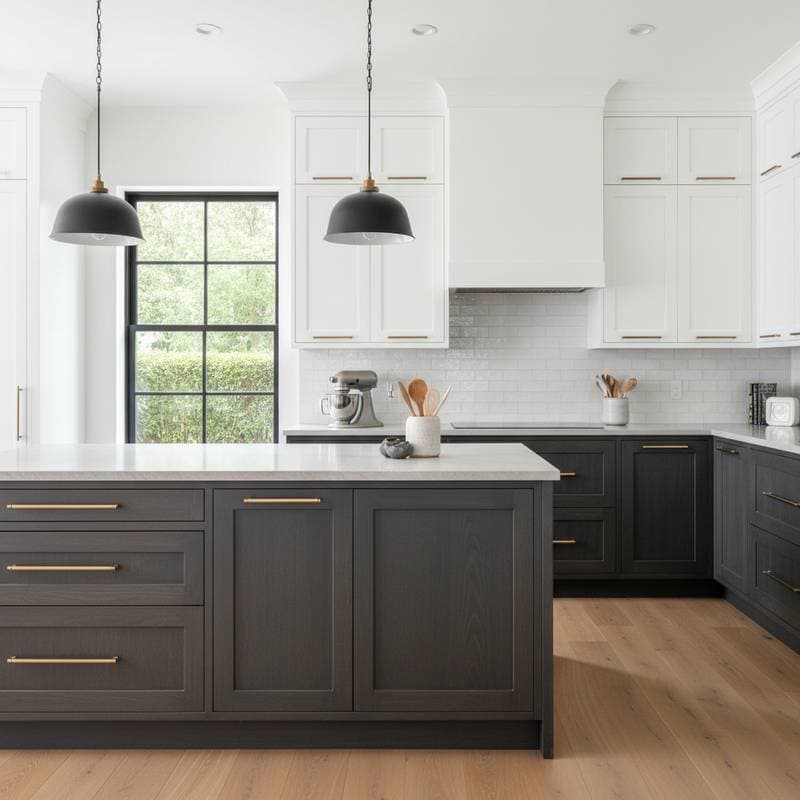
Picture a kitchen where crisp white upper cabinets contrast with rich, dark lower ones, creating depth and visual interest. This design choice evokes a sense of personalization and sophistication that resonates with modern homeowners. However, the allure of two-tone kitchens frequently results in finishing costs that exceed initial expectations, sometimes doubling the budget for cabinetry alone.
Home renovation data indicates that kitchens represent the largest investment in most home updates, with cabinetry comprising up to one-third of the total expenditure. The popularity of two-tone schemes introduces additional layers of complexity in sourcing, preparation, and installation. Homeowners often discover these nuances only after receiving detailed contractor estimates.
This article dissects the reasons behind the elevated costs, highlights where budgets allocate funds, and offers strategies to mitigate expenses while preserving the desired style.
Material Selections and Their Impact on Budget
Combining distinct materials in two-tone kitchens elevates both the aesthetic and the price point. For instance, pairing painted upper cabinets with stained wooden lowers requires separate handling for each finish, which complicates production and increases supplier charges.
Consider these common material pairings and their approximate cost implications per linear foot of cabinetry:
- Painted MDF or plywood uppers: Base price of $150 to $250, valued for smooth surfaces and easy color application.
- Stained hardwood lowers, such as maple or cherry: $200 to $350, due to the labor-intensive staining process and natural grain variations.
- Hybrid approaches, like glossy lacquer on uppers with matte wood on lowers: Additional 15 to 25 percent premium for specialized finishing techniques.
Industry experts note that these mixes disrupt standard production lines. Separate batches mean higher setup times and potential waste from mismatched inventory. The end result delivers a bespoke appearance, but the upfront planning demands careful cost forecasting.
To illustrate, a standard single-tone kitchen might use uniform paint-grade cabinets across all units, streamlining procurement. In contrast, two-tone designs necessitate custom orders, which can extend lead times by weeks and inflate material handling fees.
Detailed Breakdown of Kitchen Renovation Expenses
Cabinetry dominates the cost structure in any kitchen project, typically accounting for 30 to 40 percent of the overall budget. Two-tone configurations amplify this segment through customized elements and extended installation.
Here is a typical allocation for a mid-sized two-tone kitchen renovation totaling $50,000:
- Cabinetry and hardware: $17,500 to $20,000 (35 to 40 percent), including custom sizing and dual finishes.
- Countertops and backsplash: $10,000 to $12,500 (20 to 25 percent), where choices like granite or subway tile complement the cabinet contrasts.
- Appliances: $7,500 to $10,000 (15 to 20 percent), selected to harmonize with the color scheme without excess spending.
- Labor, lighting, plumbing, and flooring: $10,000 (20 percent), with extra hours dedicated to precise alignment of contrasting elements.
Shifts in the cabinetry portion ripple through the project. Homeowners can counterbalance by opting for durable yet economical options, such as laminate countertops over exotic stones or energy-efficient standard appliances instead of luxury models.
Budgeting professionals emphasize the importance of phased planning. Obtain multiple detailed bids that itemize finishes and labor separately. This approach reveals opportunities to trim costs without sacrificing the core two-tone vision.
Evaluating Long-Term Value and Market Appeal
Two-tone kitchens frequently outperform uniform designs in terms of enduring style and resale potential. The subtle contrasts create a tailored feel that appeals to diverse buyers, avoiding the dated look of all-white or overly bold single hues.
Real estate insights suggest that such kitchens enhance property listings by conveying thoughtful updates. A well-executed two-tone scheme can increase home value by 5 to 10 percent, particularly in competitive markets where unique features stand out.
Beyond resale, the design promotes functionality. Lighter uppers maximize light reflection in smaller spaces, while darker lowers hide wear from daily use. This practical duality justifies the investment for long-term homeowners seeking both form and utility.
Studies from renovation associations confirm that layered designs maintain relevance over trends. Unlike fleeting all-gray palettes, two-tone versatility allows easy updates through paint refreshes, extending the lifespan of the investment.
Strategies for Budget-Conscious Implementation
Achieve a striking two-tone kitchen without financial strain by prioritizing essentials and exploring alternatives. Begin with a fixed budget ceiling, then select colors and materials that align with it rather than adapting the budget to inspirations.
Practical steps include:
- Request samples from suppliers early to visualize contrasts and avoid costly revisions.
- Focus custom work on visible areas, using stock cabinets for less prominent sections.
- Negotiate with contractors for bundled services, such as combining cabinet installation with countertop fitting to reduce labor overlaps.
Consider partial two-tone applications, like accenting an island or perimeter cabinets only. This method captures the essence of the design at a fraction of the full cost. Pair with neutral appliances and simple hardware to maintain cohesion.
Consult local showrooms for cost-effective wood alternatives, such as engineered veneers that mimic premium grains. These options deliver the look of high-end materials while keeping expenses in check.
Realizing a Personalized Kitchen Investment
Two-tone kitchens transform ordinary spaces into personalized havens that blend style with practicality. The elevated costs stem from deliberate choices in materials and craftsmanship, yet strategic planning ensures accessibility.
Ultimately, this design fosters a kitchen that enhances daily life and holds strong market value. By weighing expenses against benefits, homeowners create environments that reflect their tastes and support future needs.