
Understanding Wet Room Costs in 2026
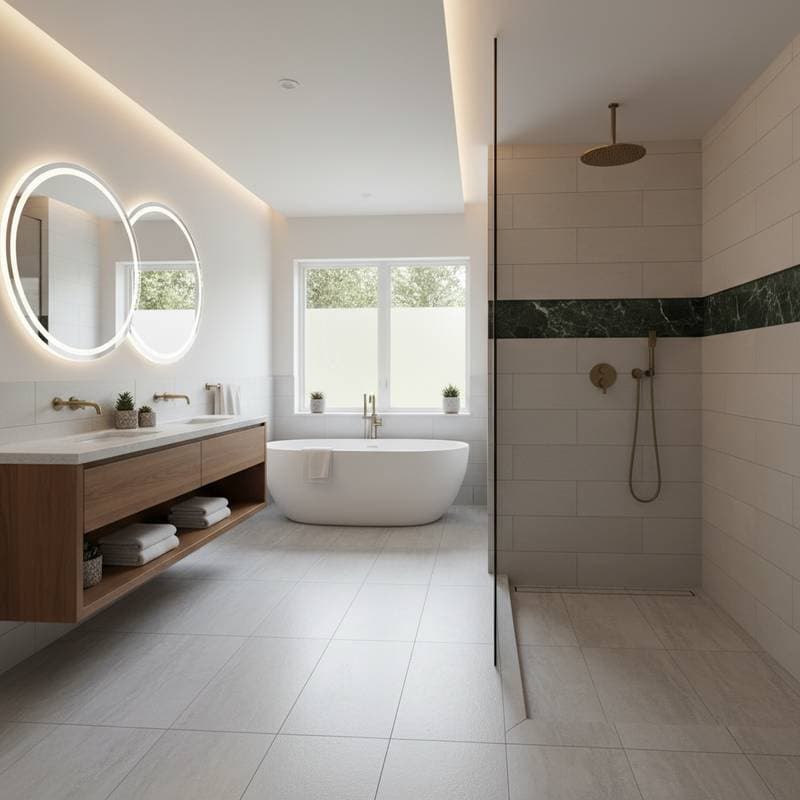
The appeal of a wet room lies in its seamless integration of shower space into the bathroom, creating an open and contemporary environment. This design eliminates traditional barriers, reduces maintenance challenges, and enhances the overall aesthetic. However, transforming a standard bathroom into a wet room requires careful planning to balance luxury aspirations with realistic budgeting.
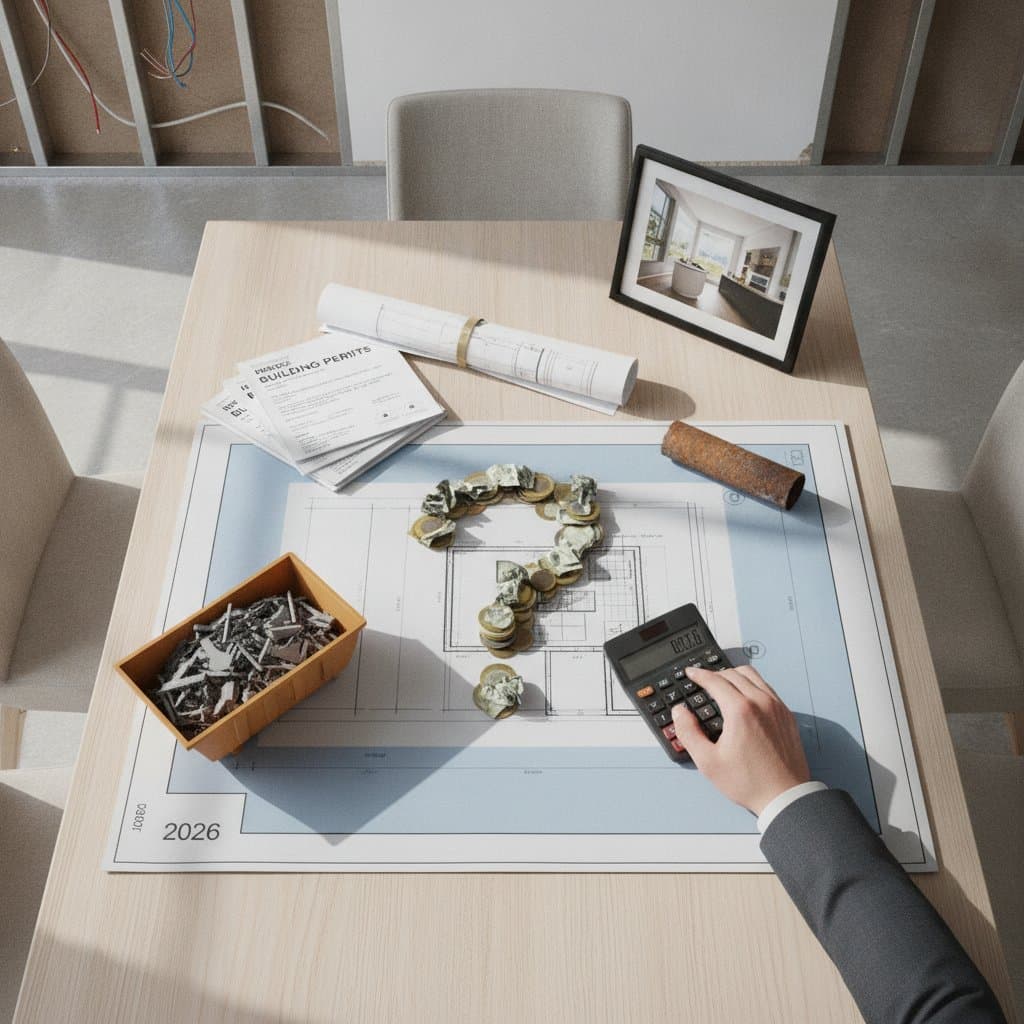
Projected costs for 2026 reflect rising material prices and labor demands, influenced by supply chain factors and regional economic trends. A basic installation might range from 6,000 to 12,000 pounds, while premium setups with advanced features could exceed 25,000 pounds. These figures underscore the importance of detailed preparation to avoid unexpected expenses.
Key Factors Influencing Wet Room Expenses
Multiple elements determine the final price of a wet room project. Each contributes to the overall investment, from initial assessments to finishing touches.
1. Room Dimensions
The size of the area directly impacts material quantities and installation time. A compact 2 square meter space requires fewer resources than a spacious 5 square meter layout. Larger areas demand extensive waterproofing treatments, which can add 20 to 30 percent to the total cost.
2. Structural Modifications
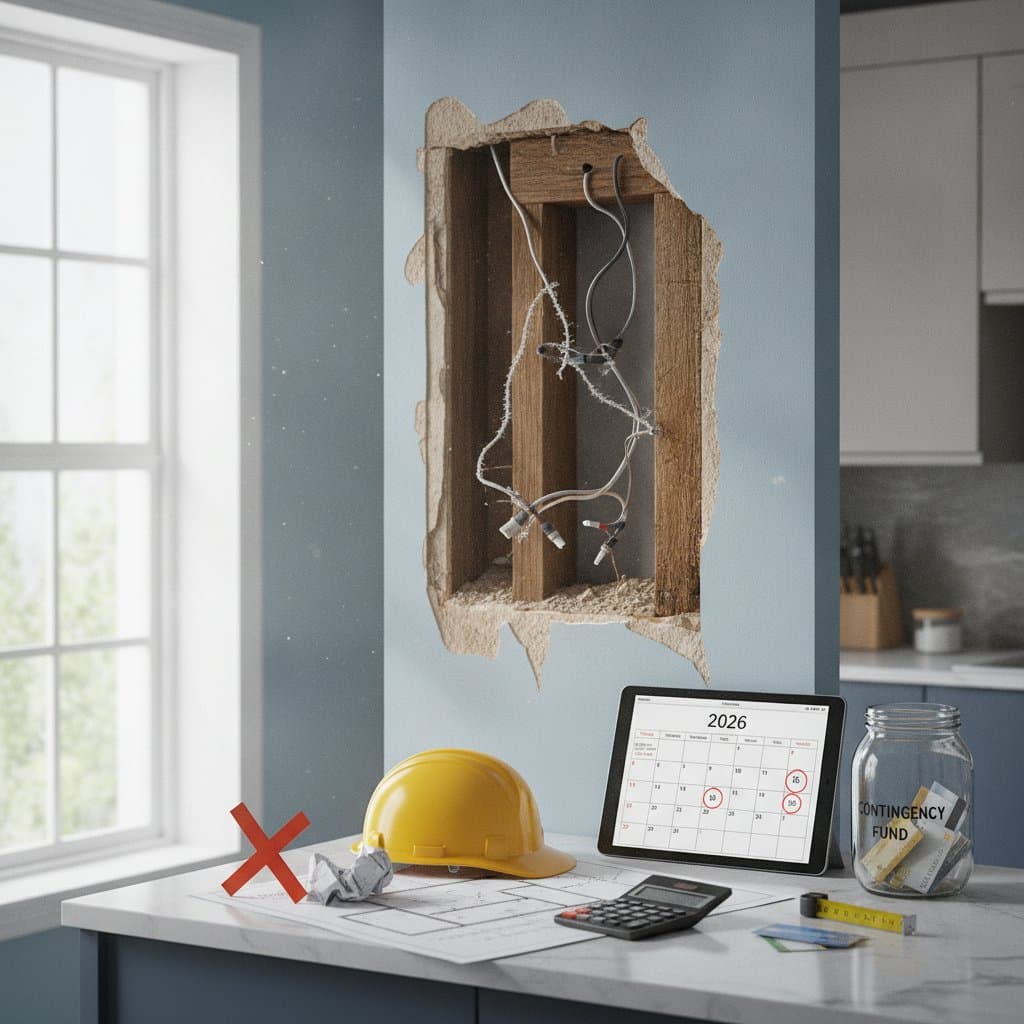
Many older properties require floor reinforcement to support new drainage systems. Issues such as decayed subfloors or outdated pipes often surface during preparation, necessitating repairs that increase expenses by 1,500 to 4,000 pounds. Professional surveys help identify these needs early.
3. Drainage and Gradient Installation
Effective water flow depends on a precise floor slope, typically 1 to 2 percent toward the drain. Achieving this gradient involves specialized techniques and materials, with costs ranging from 800 to 2,000 pounds. Improper execution risks water pooling and long-term damage.
4. Selection of Tiling Materials
Budget-friendly ceramic options start at 20 pounds per square meter, offering durability for everyday use. Porcelain or natural stone varieties, priced between 40 and 100 pounds per square meter, provide enhanced elegance and resistance to wear. Intricate mosaic patterns, while visually striking, extend labor time and add 500 to 1,500 pounds due to precise fitting requirements.
5. Fixtures and Hardware
Essential components like rainfall showerheads, thermostatic mixers, and frameless glass panels contribute significantly to the budget. Basic fixtures cost 300 to 600 pounds, whereas designer models with hidden plumbing can reach 1,500 pounds or more. Prioritizing multifunctional pieces ensures value without excess spending.
6. Regional Labor Variations
Labor rates differ based on location, with urban centers charging 250 to 400 pounds per day compared to 150 to 250 pounds in rural areas. Project complexity and contractor availability also play roles. Obtaining quotes from local specialists provides accurate regional insights.
Designing for Accessibility and Aesthetics
Wet rooms excel in promoting universal access by removing steps and thresholds, facilitating easier movement for individuals with mobility challenges. Incorporating elements like wider shower zones, approximately 1.2 meters by 1.2 meters, supports wheelchair use without compromising style.
Built-in seating and adjustable shower arms enhance usability, while non-slip flooring with a high R-value rating prevents accidents. Stylish grab bars in satin nickel or chrome finishes integrate seamlessly, maintaining a sophisticated appearance. These features not only improve daily comfort but also increase property adaptability for future needs.
Strategies to Control Costs Effectively
Achieving a high-quality wet room does not require unlimited funds. Targeted decisions allow for luxury elements within a defined budget.
1. Strategic Material Combinations
Reserve premium tiles for high-impact areas, such as a single accent wall or the shower surround, limiting coverage to 20 percent of the surface. This approach delivers visual interest at a fraction of full-room pricing, potentially saving 1,000 to 2,000 pounds.
2. Retain Existing Plumbing Infrastructure
Repositioning drains or pipes can inflate costs by 2,000 pounds or more. Adapting the design to current layouts minimizes disruption and preserves budget allocations for visible upgrades.
3. Opt for Reliable Mid-Tier Options
Brands offering fixtures with lifetime warranties provide longevity at 40 to 60 percent less than luxury counterparts. Evaluate finishes for corrosion resistance and ease of cleaning to ensure practical benefits.
4. Delegate Tasks Appropriately
Homeowners can handle non-structural elements like wall painting or accessory installation, saving 200 to 500 pounds. Professional involvement remains essential for waterproofing, tiling, and electrical work to guarantee safety and compliance.
5. Secure Detailed Quotes
Compare at least three itemized proposals from certified contractors. This process reveals discrepancies in material sourcing or labor estimates, enabling informed negotiations and potential savings of 10 to 15 percent.
Projected Cost Breakdown for 2026 Installations
A standard wet room conversion in a mid-sized UK home might total 8,000 to 15,000 pounds. This includes 2,000 pounds for structural prep, 3,000 pounds for tiling and waterproofing, 1,500 pounds for drainage, and 1,500 pounds for fixtures. Luxury additions like underfloor heating (1,200 to 2,500 pounds) or smart controls (800 pounds) elevate the figure. Budget 10 percent extra for contingencies such as unforeseen repairs.
Daily Use and Upkeep of Your Wet Room
After completion, the wet room offers expanded floor space and simplified cleaning routines. Open layouts reduce hidden areas for grime accumulation, and quick-drying surfaces maintain a fresh environment.
Adapt habits by positioning storage away from water exposure and using microfiber tools for residue removal. Schedule annual inspections of seals and grout to address wear promptly. Integrating features like heated floors provides consistent comfort, enhancing the space's role as a personal sanctuary.
Maximizing Long-Term Value from Your Investment
A thoughtfully executed wet room boosts home appeal and functionality for years ahead. Focus on durable selections to minimize future maintenance, ensuring the upgrade delivers sustained enjoyment and potential resale advantages.