
Laundry Remodel Strategies to Minimize 2026 Costs
A recent Home Improvement Market Study reveals that 42 percent of homeowners surpass their laundry remodel budgets. Unexpected plumbing and cabinetry expenses frequently derail these projects. As material and labor prices continue to rise with inflation, a thoughtful approach ensures your laundry or mudroom project remains within financial limits.
1. Pinpoint Primary Cost Drivers
Laundry remodels typically range from $4,000 to $12,000, varying by size, location, and complexity. Key expenses involve relocating plumbing, installing custom cabinetry, and selecting premium appliances. Erica Lang, a certified remodeling estimator with BuildSmart Consulting, notes, “Homeowners often underestimate the cost of moving water lines or vents. Even small changes in layout can add thousands to the bill.” Obtain a comprehensive estimate before starting work; it should itemize materials, labor, and potential contingencies.
2. Apply Value Engineering Principles
Value engineering involves selecting cost-effective alternatives that maintain functionality. Opt for stock cabinetry over custom millwork to halve cabinetry costs. Michael Reyes, project manager at UrbanCraft Renovations, explains, “We often redesign layouts to fit existing plumbing and electrical lines. This one decision can save an average of $1,800.” Select resilient midrange finishes that endure without excessive expenditure.
3. Integrate Spaces for Greater Efficiency
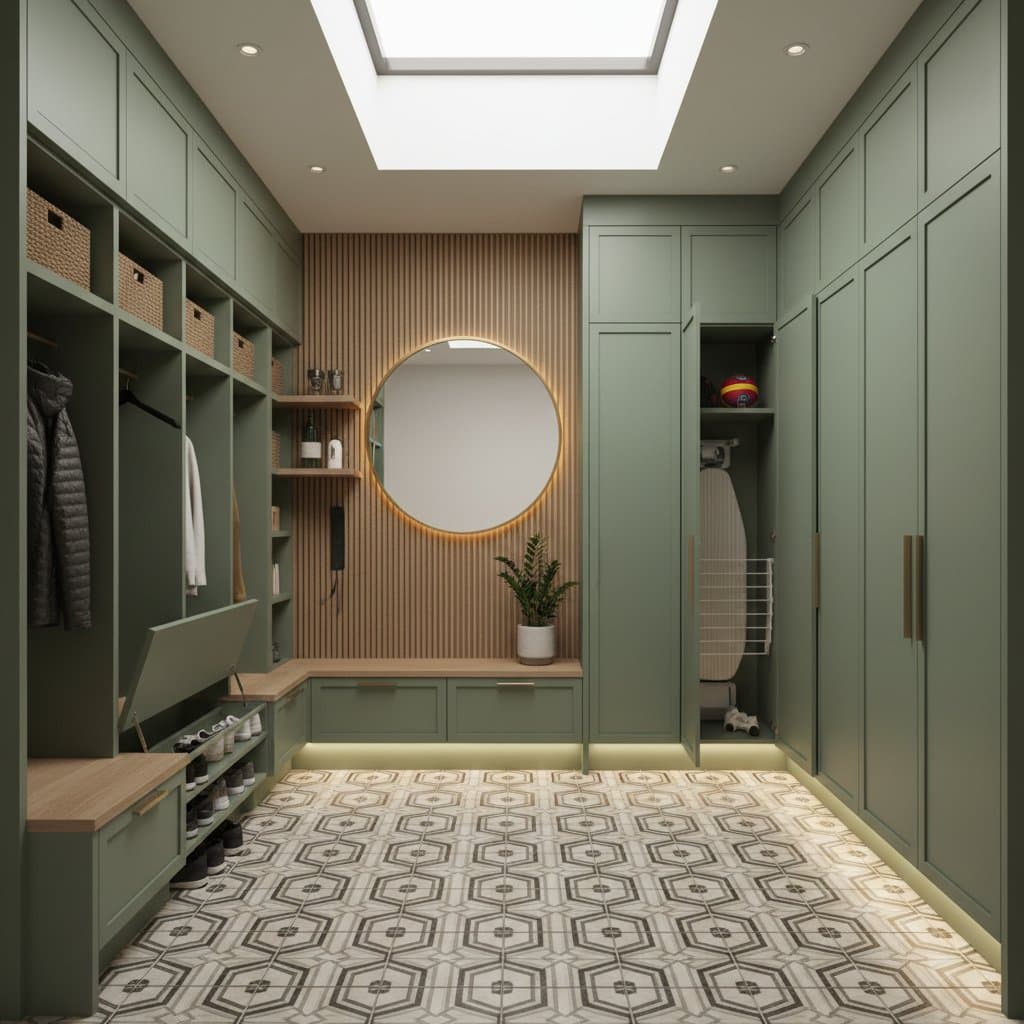
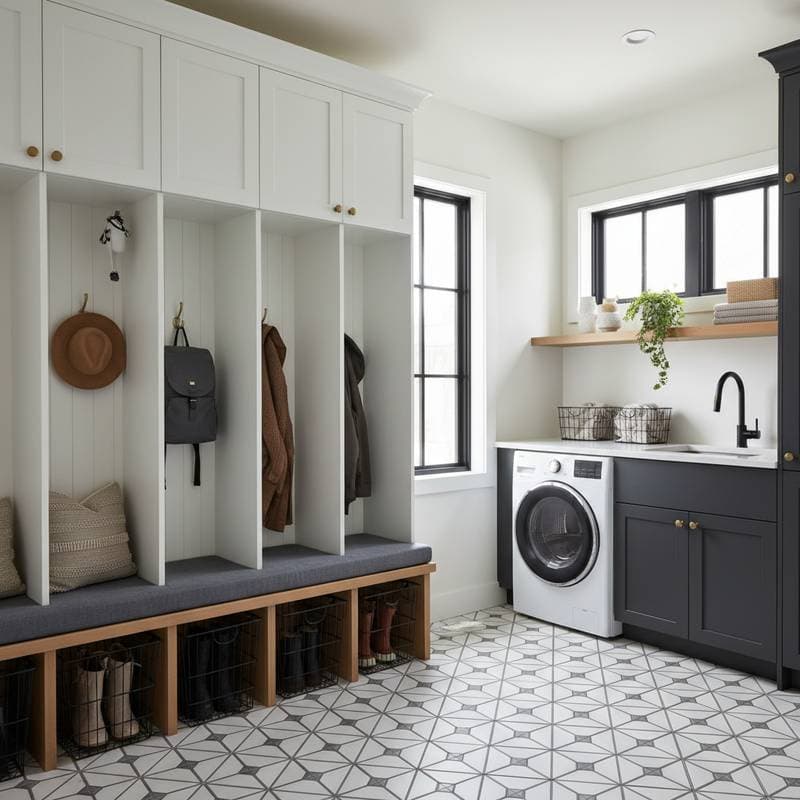
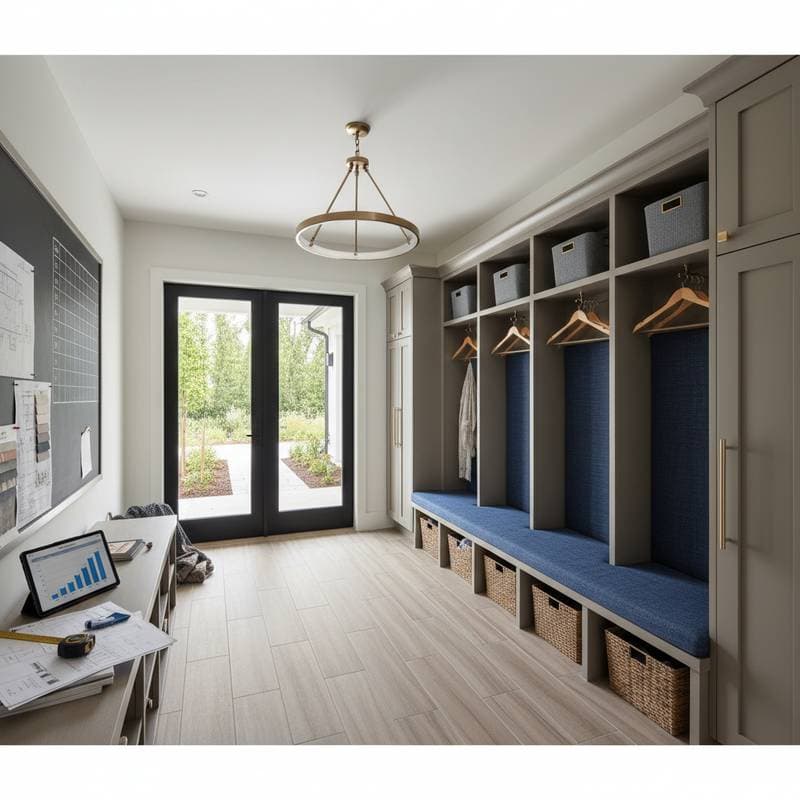
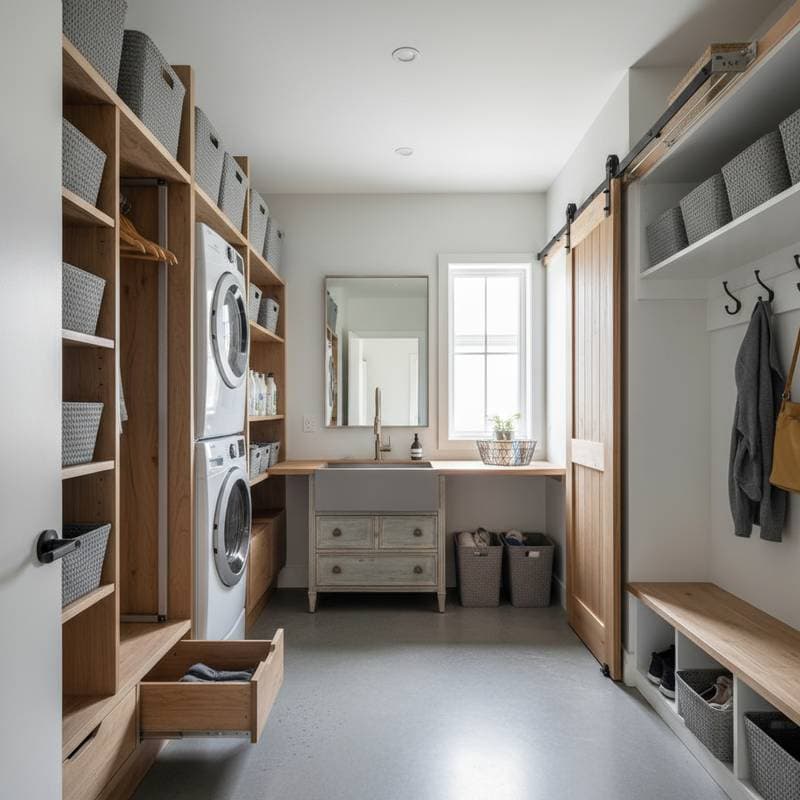
Where feasible, merge the laundry area with a mudroom to eliminate redundant plumbing and storage needs, reducing material costs by approximately 15 percent. Install a multifunctional bench with integrated storage in place of a dedicated utility closet. Proper planning enhances circulation and eases maintenance. Insist on a scaled drawing from your contractor to verify compliance with building codes and optimal space utilization.
4. Prioritize Essential Upgrades Over Indulgences
Invest in energy-efficient washers and dryers only if current units approach obsolescence. The U.S. Energy Information Administration indicates that such upgrades can decrease yearly energy expenses by 25 percent. Tina Caldwell, owner of Precision Design Studio, recommends caution: “Replacing appliances too early wastes both money and resources. Evaluate lifespan before buying new.” Address insulation, lighting, and ventilation first, as these elements impact ongoing costs more significantly than surface treatments.
5. Mitigate Concealed Expenses
Post-demolition discoveries like moisture damage, obsolete wiring, or ventilation problems can inflate budgets by 10 to 20 percent. Allocate a contingency reserve of at least 15 percent of your total budget. Require documented change orders for any modifications to track spending accurately. Foster open communication with your contractor to prevent unforeseen financial escalations.
6. Leverage Expert Services Wisely
Engage a licensed general contractor for tasks involving plumbing, electrical systems, or structural alterations. Solicit bids from no fewer than three providers, ensuring each encompasses permits, inspections, and waste disposal. For minor cosmetic enhancements, employ a handyman or finish carpenter to manage installations at reduced rates. Research through local remodeling associations or the Better Business Bureau to identify reliable professionals with proven fiscal responsibility.
Preserve Efficiency Through Routine Care
Post-remodel, sustain performance by servicing appliances regularly, sealing grout joints, and checking for leaks biannually. These practices safeguard your investment and prolong the durability of surfaces. A strategically executed laundry remodel yields enhanced utility alongside substantial savings, demonstrating that fiscal prudence and aesthetic appeal harmonize effectively.