
2026 Wet Room Costs: Pay Less, Gain More ROI
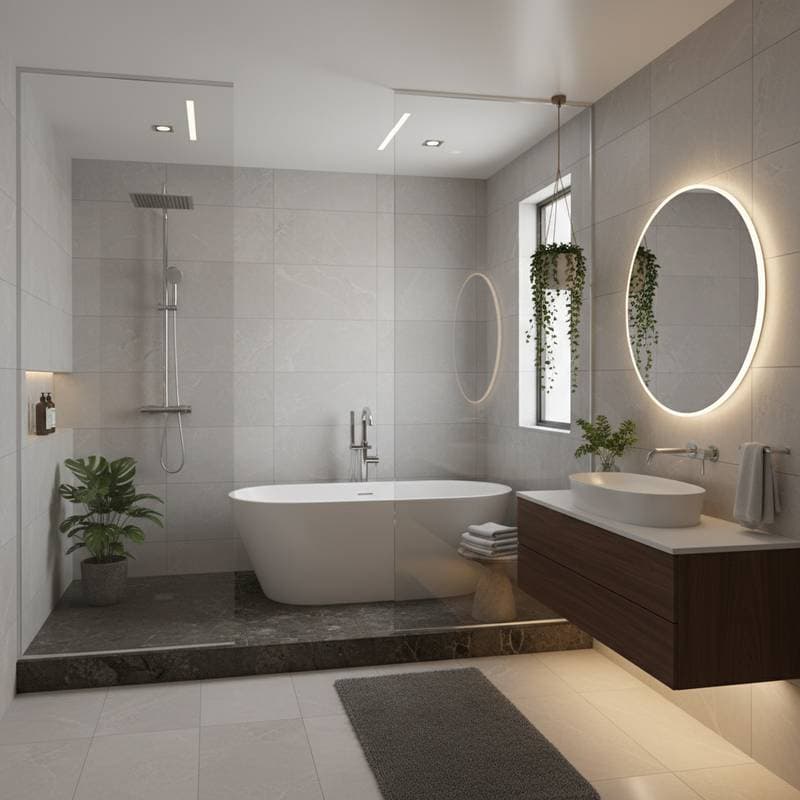
Imagine entering a bathroom that evokes the serenity of a spa rather than a standard tiled enclosure with basic plumbing. There is no raised threshold at the shower entry, no obstructive glass panels, only smooth flooring and a gentle rainfall shower that invites relaxation. Yet, practical concerns arise: what does a wet room cost, and is the investment worthwhile compared to renovating the existing space? The answer is affirmative with careful planning.
National remodeling surveys indicate that approximately one-third of homeowners adhere to their bathroom renovation budgets. The majority encounter unexpected expenses related to waterproofing, design enhancements, or even tile selections. A wet room represents either a significant design achievement or a rapid depletion of resources. The outcome depends on thorough preparation and comprehension of cost allocation.
Defining a Wet Room and Its Cost Breakdown
A wet room constitutes a fully waterproofed bathroom in which the shower area integrates seamlessly with the surrounding space. This design imparts a contemporary aesthetic, enhances luxury, and promotes accessibility through the absence of barriers.
Cost variations arise from factors such as room size, material selections, and waterproofing standards. Insights from remodeling experts and bathroom contractors reveal the following ranges:
- Small wet rooms (under 5 square meters): $8,000 to $12,000, suitable for compact powder rooms or guest bathrooms where minimal disruption occurs.
- Medium wet rooms: $13,000 to $18,000, ideal for standard master bathrooms requiring balanced waterproofing and fixture integration.
- Large or premium wet rooms: $20,000 and above, often incorporating custom elements like heated floors or advanced drainage systems for expansive primary suites.
Bathroom designer Colin Harris from AquaForm Interiors notes, “The waterproofing membrane is where most people underestimate costs. It is invisible but vital. Cutting corners there can lead to major water damage later.”
Proper waterproofing forms the foundation of durability. Materials such as liquid-applied membranes or sheet systems ensure water containment, preventing issues like mold growth or structural harm. Budget at least 20 percent of the total project for this essential layer, including professional application to meet building codes.
Strategies to Reduce Costs While Maintaining Quality
Wet rooms convey an impression of high expense, yet targeted decisions allow for savings without compromising integrity. Focus on areas where investments yield enduring benefits and opt for practical alternatives elsewhere.
1. Emphasize Functionality Over Extravagance
Select porcelain or ceramic tiles rather than natural stone options. These materials resist wear, facilitate cleaning, and cost 30 to 50 percent less per square foot. For instance, large-format porcelain tiles in neutral tones create a spacious illusion while minimizing grout lines that harbor grime.
2. Retain Existing Plumbing Configurations
Relocating pipes can inflate expenses by up to double the initial estimate due to labor and potential wall modifications. Design the layout to accommodate current lines, perhaps by positioning the shower near the original drain. Consult a plumber early to map feasible adjustments without major rerouting.
3. Integrate Efficient Drainage Solutions
Linear drains require higher initial outlay but reduce installation time by simplifying floor gradients. They channel water effectively along walls, eliminating the need for complex point drains. This approach not only cuts labor costs by 15 percent but also enhances the minimalist visual appeal.
4. Opt for Balanced Fixture Selections
Mid-range fixtures replicate luxury finishes at a fraction of the price. Brushed nickel or stainless steel showerheads and faucets offer corrosion resistance and timeless style. Evaluate water-efficient models certified by organizations like WaterSense to lower long-term utility bills.
Plumber and renovation consultant Dana Lee from HomeFlow Projects advises, “You want to spend where it matters most, like proper tanking and drainage. Fixtures can always be upgraded later, but waterproofing mistakes cannot be undone cheaply.”
Additional savings emerge from sourcing materials during off-peak seasons or through bulk purchases from local suppliers. Verify contractor credentials and review portfolios of completed wet room projects to ensure expertise in moisture management.
The Investment Value of Wet Rooms
Wet rooms transcend aesthetic enhancements by increasing property worth. Real estate professionals frequently emphasize this feature in listings, particularly for compact residences where open designs expand perceived square footage.
Key factors contributing to sustained value include:
- Universal Accessibility: Level-entry showers accommodate varying mobility needs, appealing to families with children, elderly members, or potential future buyers seeking aging-in-place options.
- Simplified Upkeep: Reduced surfaces like glass enclosures and seams minimize mold accumulation and cleaning efforts, preserving the space over time.
- Contemporary Relevance: Open, streamlined layouts align with current trends in minimalist and inclusive design, maintaining market desirability.
Building consultant Sarah Nolan of RenovateRight states, “A well-executed wet room can return up to 70 percent of its cost in added property value. Poor waterproofing, on the other hand, can wipe that gain out completely.”
Quantifiable benefits extend to energy efficiency; for example, incorporating low-flow fixtures can reduce water usage by 20 to 30 percent annually. In competitive housing markets, such upgrades differentiate properties and accelerate sales.
Steps to Implement Your Wet Room Project
Begin by obtaining detailed estimates from licensed professionals to align expectations with financial realities. Allocate a 10 percent contingency fund within your budget to address unforeseen elements like subfloor repairs or electrical updates.
Secure at least three competitive quotes, ensuring each includes a comprehensive waterproofing guarantee valid for a minimum of five years. Review contracts for specifics on materials, timelines, and liability coverage.
For constrained finances, consider a hybrid approach: establish a designated wet zone within the bathroom rather than full conversion. This involves waterproofing only the shower vicinity, achieving similar openness and ease of maintenance at 40 to 60 percent lower cost.
Engage in the design phase by sketching layouts or using free online tools to visualize flow. Prioritize natural light sources, such as frosted glass partitions, to amplify the spa-like ambiance without additional electrical work.
Realizing Lasting Comfort and Value
A wet room serves as both a practical enhancement and a strategic asset. Through meticulous planning and judicious spending, it delivers daily indulgence alongside financial prudence. The result is a bathroom that elevates routine moments into rejuvenating experiences, secured against future regrets.