
The Real Value in 2026's Open-Concept Remodeling
Picture this. You walk into your home, coffee in hand, and the kitchen flows effortlessly into the living room. No walls to block conversation, no dark corners collecting clutter, just space and light. It sounds lovely until someone mentions the cost of removing a load-bearing wall. Then your cozy vision starts to feel a little less airy.
According to a recent home renovation cost survey, fewer than four in ten homeowners manage to stay within budget on structural remodels. The open-concept dream is still alive, but it is often more expensive than expected. The question is not whether you should open up your floor plan, but whether the return on that investment makes sense for your home, your lifestyle, and your wallet.
What Homeowners Really Pay for Open-Concept Remodeling
Let’s get straight to the money talk. Opening up a floor plan usually means removing one or more walls, rerouting electrical lines, relocating heating ducts, and sometimes adding structural beams. The costs can vary widely depending on the wall type.
- Non-load-bearing wall removal: typically between $500 and $2,000
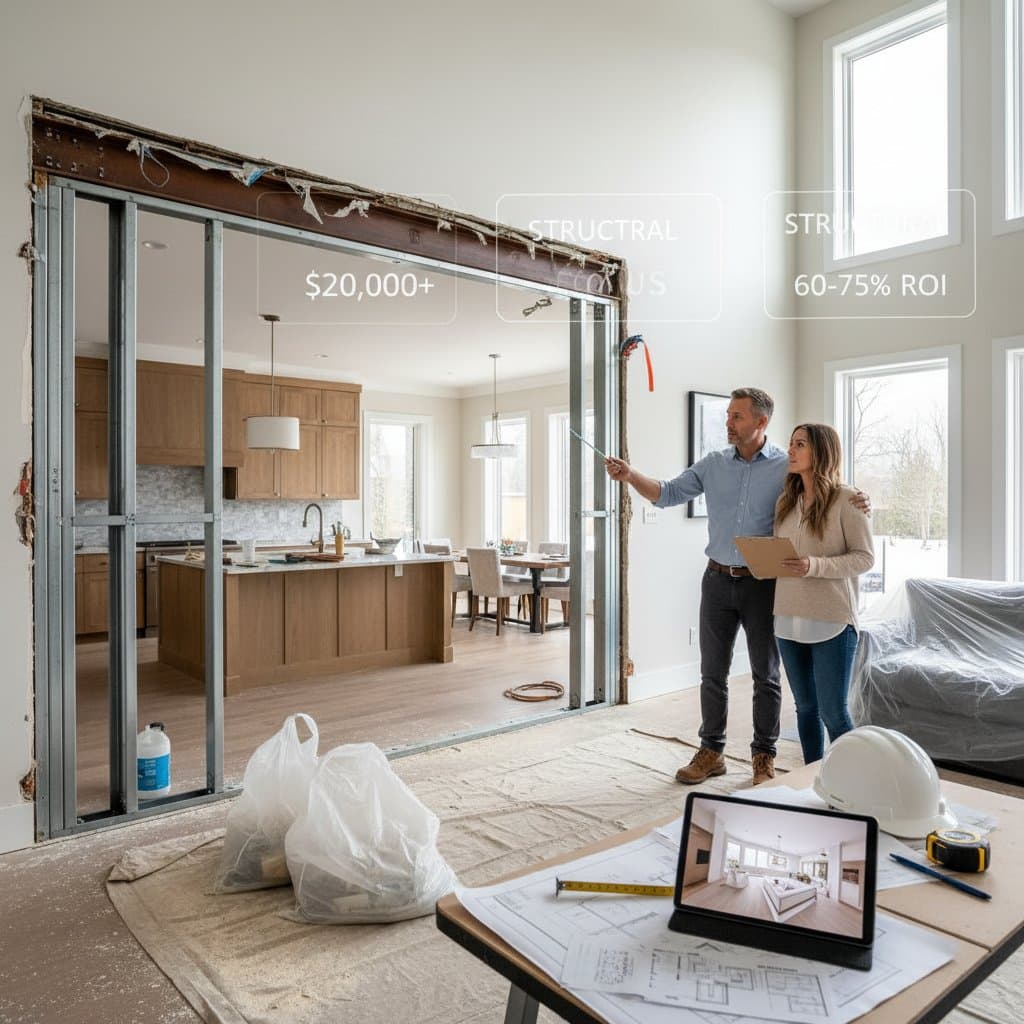
- Load-bearing wall removal: often $5,000 to $15,000, depending on beam size and materials
- Finishing costs: drywall repair, painting, flooring transitions, and trim can add another $2,000 to $6,000
According to structural engineer Carla Jennings of HomeFrame Consulting, “People often forget about the hidden support work. The beam installation is the big-ticket item, but the engineering design and building permits can add thousands more.” Jennings has over fifteen years of experience evaluating residential structures and notes that homeowners sometimes underestimate the complexity of wall removal.
In short, an open-concept remodel can easily climb past $20,000 before you even start thinking about new furniture or lighting upgrades.
Why Open-Concept Still Holds Its Appeal
Despite the costs, open-concept layouts remain one of the top renovation goals. The appeal is emotional as much as practical. Families love the sightlines, the sociability, and the sense of connection. For buyers, it creates a feeling of space that photographs beautifully in listings.
Realtor Devon Walker of Skyline Realty says, “Buyers respond to openness. It photographs better, and it feels modern. But not every home benefits equally.” Walker has sold hundreds of homes with both traditional and open layouts, and he advises that homeowners consider proportion before swinging the sledgehammer. “If you open too much, the space can lose definition. Buyers still want cozy corners.”
That balance between flow and function often determines whether an open-concept remodel adds resale value. In midrange homes, the return on investment generally sits around 60 to 75 percent, depending on location and finish quality.
The Hidden Costs You Might Miss
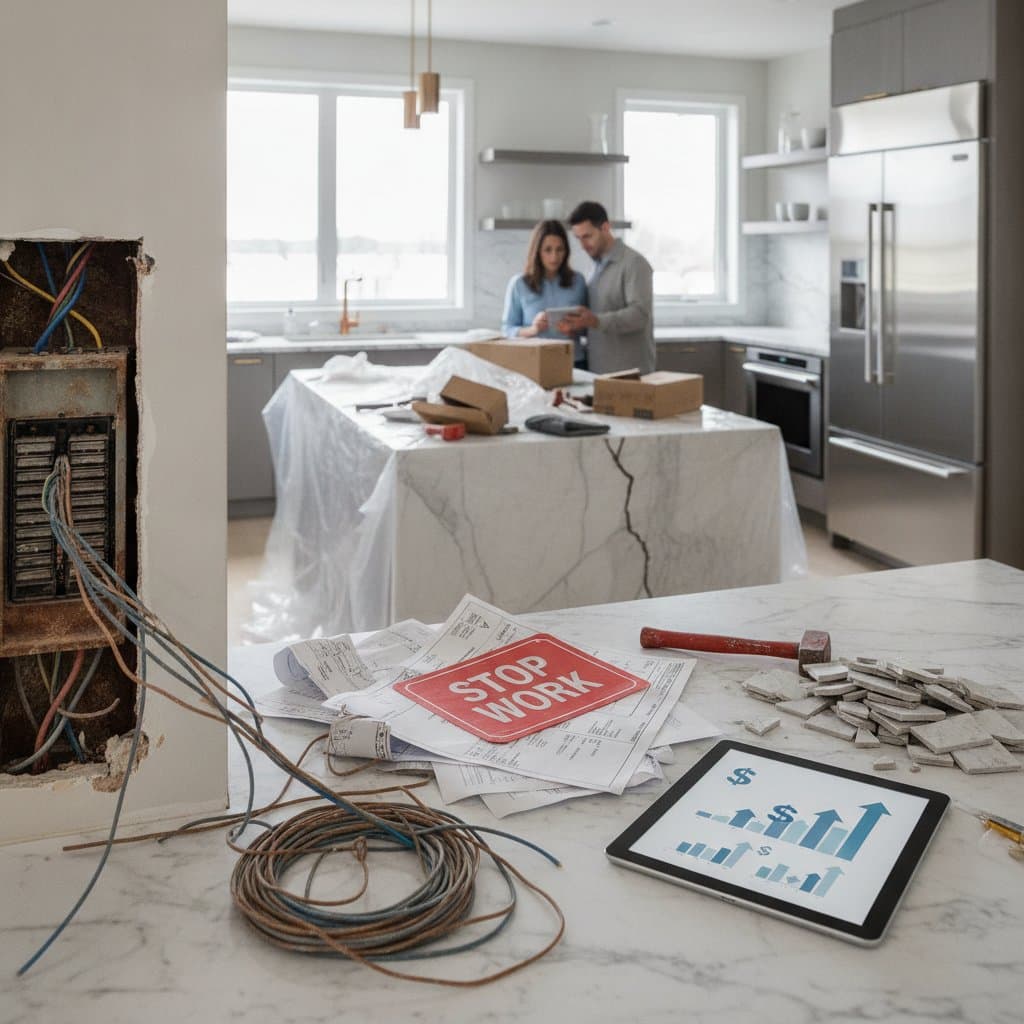
The biggest financial surprises come not from the demolition itself but from what happens next. Once the wall is gone, you may notice mismatched flooring, awkward lighting, or a ceiling that suddenly looks uneven. Each of those details has a price tag.
- Flooring continuity: replacing or refinishing to match can cost $3 to $10 per square foot
- Lighting redesign: recessed fixtures or pendants can add $1,000 to $3,000
- HVAC adjustments: rerouting vents or rebalancing air flow often costs $500 to $2,000
According to interior designer Maya Lopez of Balance Interiors, “Open layouts need intentional zones. Once the wall is gone, you’ll need area rugs, lighting layers, and furniture placement to define spaces again.” Lopez, who specializes in post-remodel design, recommends budgeting at least 10 percent for layout refinements after construction ends.
Financial Strategies for Smarter Open-Concept Planning
If you are determined to go open, a few smart financial moves can keep your budget intact.
- Get multiple structural estimates. Three quotes are better than one, especially if the first seems suspiciously low.
- Ask for an engineering review. Spending a few hundred dollars on a professional plan can save thousands if something unexpected shows up during demolition.
- Phase your remodel. Consider opening just one section rather than the entire floor. Even a partial opening can improve flow without full structural costs.
- Retain some definition. Half-walls, cased openings, or glass partitions preserve openness while keeping the project simpler.
- Set a contingency fund. Always add 15 to 20 percent above your contractor’s estimate. Surprises are inevitable once walls come down.
These planning moves help keep a dream remodel from turning into a financial headache.
When Open-Concept Might Not Be Worth It
Some homes simply resist the open-concept trend. Older houses with intricate trim or distinct room proportions may lose character when walls disappear. Energy efficiency can also drop, as larger spaces are harder to heat or cool evenly. Acoustic privacy is another casualty. Once the blender starts, everyone hears it.
If your main motivation is resale,
Making It Happen Without Breaking the Bank
If the open-concept dream still calls your name, start with a clear financial framework. Prioritize structural safety, allocate funds for design continuity, and plan for the invisible costs. Then decide whether the emotional payoff matches the financial outlay.
Open-concept remodeling can absolutely increase your home’s value, but the real value lies in how well it fits your lifestyle. If it brings light, connection, and daily enjoyment, that is money well spent.