
Unseen Remodel Expenses That Derail 2025 Budgets
Homeowners frequently envision a remodel as a transformative upgrade to their living space. Imagine sleek countertops illuminated by modern fixtures, a bathroom transformed into a serene retreat, or a kitchen designed for effortless meal preparation. However, initial estimates often fail to account for the full scope of expenses, turning aspirations into financial challenges.
A national survey on home improvements indicates that only about 40 percent of homeowners adhere to their planned budgets. The majority face additional costs amounting to thousands of dollars, triggered by elements such as concealed structural problems or fluctuating supply prices. These issues, rather than aesthetic selections, typically undermine even the most thorough preparations.
This article examines six prevalent hidden costs in 2025 remodels. Each section highlights the potential impact and offers targeted strategies to mitigate risks, enabling you to approach your project with greater confidence.
1. Hidden Structural Issues
Quick Answer: Undiscovered problems like outdated wiring or foundation cracks can add 20 to 30 percent to your total expenses.
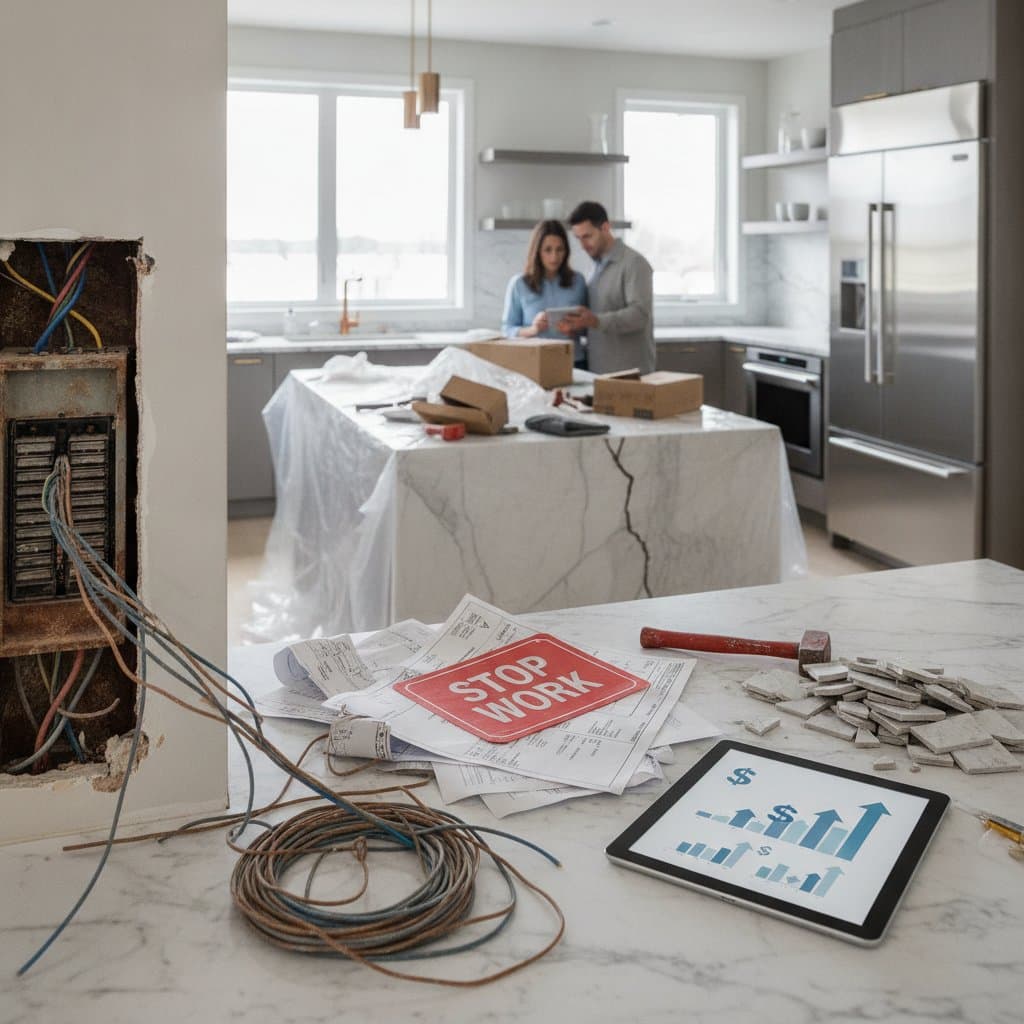
Many homes, especially those built decades ago, harbor issues invisible to the untrained eye. During demolition, teams might uncover rot in wooden beams, asbestos in insulation, or plumbing lines compromised by corrosion. These discoveries halt progress and require immediate remediation to ensure safety and compliance with building codes.
Consider the following potential expenses:
- Structural assessments: $300 to $800 for initial inspections.
- Repairs to wiring or plumbing: $1,000 to $5,000, depending on severity.
- Asbestos or lead abatement: $2,000 to $10,000 for affected areas.
To address this proactively, hire a professional inspector before finalizing your budget. A pre-remodel survey identifies vulnerabilities early, allowing you to incorporate repairs into your initial quote and avoid mid-project disruptions.
2. Permit Fees and Red Tape
Quick Answer: Municipal permits and inspections can consume 5 to 10 percent of your total project cost.
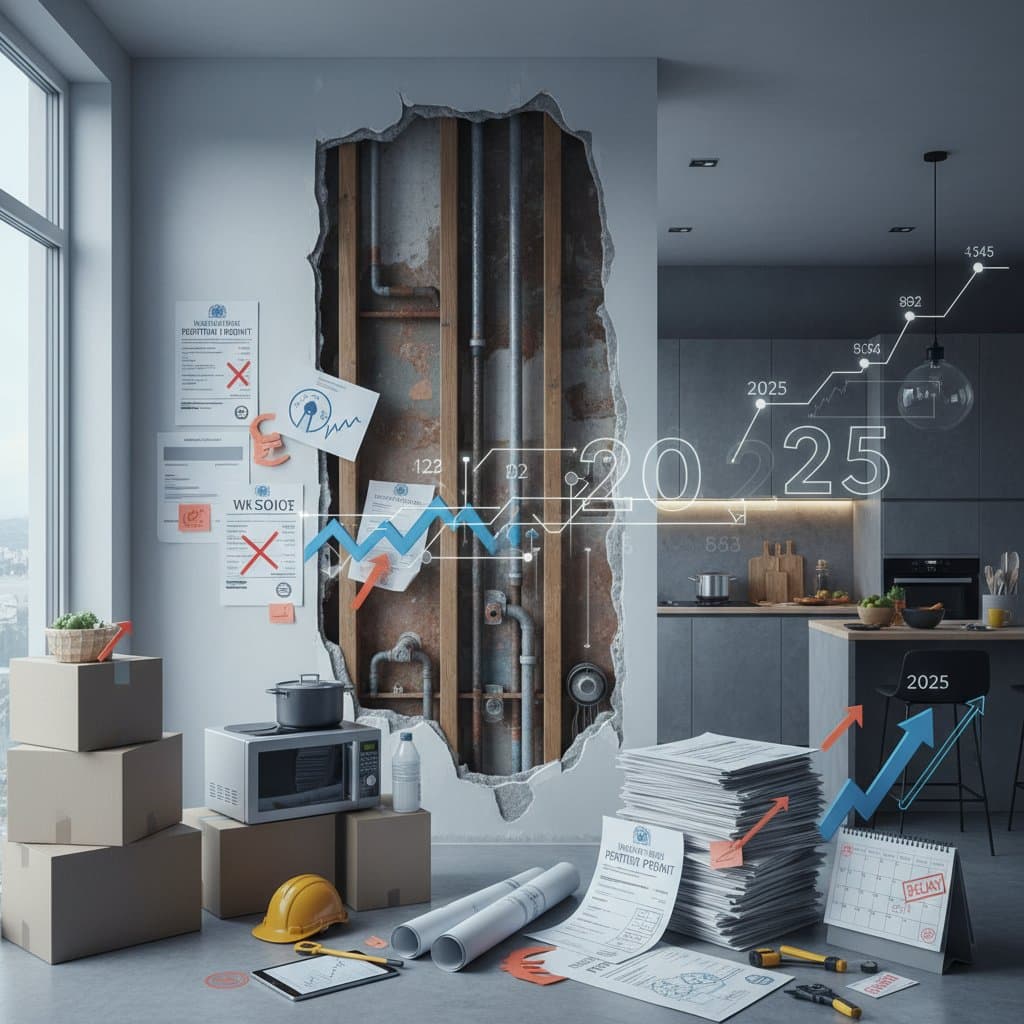
Permits represent a necessary but often overlooked aspect of remodeling. Local regulations vary widely, with fees tied to project scale and location. Homeowners frequently underestimate the process, viewing it as routine paperwork rather than a potential expense.
Mark Delgado, a housing compliance consultant in Chicago, notes, "Homeowners often skip permit research, assuming it is a few forms and a small fee. Then they discover they need separate permits for electrical, plumbing, and structural work."
Anticipate these costs:
- Building permit: $500 to $2,000, based on project scope.
- Special inspections: $200 to $600 per visit.
- Plan review or zoning fees: $300 to $1,000.
Contact your local building department at the outset. Understanding requirements upfront aligns your project with legal standards and preserves your budget.
3. Material Price Spikes
Quick Answer: Fluctuations in supply chains can increase material costs by 10 to 25 percent over initial estimates.
Global events, tariffs, and demand surges continue to affect construction materials in 2025. Items like lumber, steel, and imported tiles may see sudden price hikes, especially if your project spans several months. Delays in sourcing can compound the issue, as prices rarely decrease once elevated.
Common examples include:
- Lumber for framing: Up to 15 percent higher due to ongoing shortages.
- Appliances and fixtures: 10 to 20 percent increases from manufacturing delays.
- Imported finishes like porcelain: Subject to currency fluctuations adding 5 to 15 percent.
Secure quotes from multiple suppliers and lock in prices where possible through contracts. Building a buffer of 15 percent into your material budget provides flexibility against volatility.
4. Design Creep and Decision Fatigue
Quick Answer: Mid-project changes can elevate costs by 15 percent or more.
Impulsive decisions during construction often stem from seeing the space evolve. A minor upgrade to cabinet hardware or a switch to premium flooring might seem insignificant in isolation, but cumulative alterations demand additional labor, materials, and time.
Each modification triggers a chain reaction: revised blueprints, reordered supplies, and rescheduled work. Without controls, these choices erode financial margins quickly.
Implement these measures:
- Finalize all design elements prior to starting construction. Develop a comprehensive written scope of work and adhere to it strictly.
- Establish a change order protocol. Document any deviations in writing, including revised pricing and timelines.
- Define a contingency for aesthetics. Allocate a specific sum for optional enhancements to curb unplanned spending.
Remodeling evokes strong emotions, yet disciplined planning ensures your vision aligns with fiscal reality.
5. Temporary Living Costs
Quick Answer: Relocation expenses during remodels can add $1,000 to $5,000 monthly, depending on duration and accommodations.
Disruptions from construction, such as dust, noise, or lack of utilities, frequently necessitate temporary housing. Families might opt for hotel stays, short-term rentals, or staying with relatives, all of which incur costs beyond the project itself.
Additional burdens include:
- Storage for furniture: $100 to $300 per month.
- Meals out due to kitchen inaccessibility: $500 to $1,500 monthly.
- Utility rerouting or pet boarding: $200 to $800.
Plan for this by selecting a phased approach to remodeling, minimizing downtime in essential areas. Budget explicitly for living expenses and explore cost-effective options like local Airbnbs to maintain affordability.
6. Contractor Coordination and Delays
Quick Answer: Scheduling conflicts or subcontractor problems can generate hundreds of dollars per week in extended labor and rentals.
Contractors manage multiple commitments, and unforeseen events like weather or supply issues can shift timelines. Each day of delay translates to ongoing costs for temporary setups, storage, or idle labor.
To minimize exposure:
- Request a detailed timeline with clear milestones and tie payments to progress.
- Incorporate incentives or penalties in contracts for adhering to or missing deadlines.
- Schedule regular updates to monitor advancement and resolve obstacles promptly.
While delays prove inevitable at times, structured oversight transforms potential setbacks into manageable adjustments.
Securing Your Remodel Investment
Navigating a 2025 remodel requires vigilance against these hidden costs. By conducting thorough inspections, researching permits, locking in material prices, controlling design changes, planning for living disruptions, and enforcing clear contracts, you position your project for success. These steps not only protect your budget but also deliver a space that enhances your home for years to come. Start with a detailed financial review today to turn your remodel vision into a reality.