
2025 Kitchen Remodel: Hidden Costs You Cannot Ignore
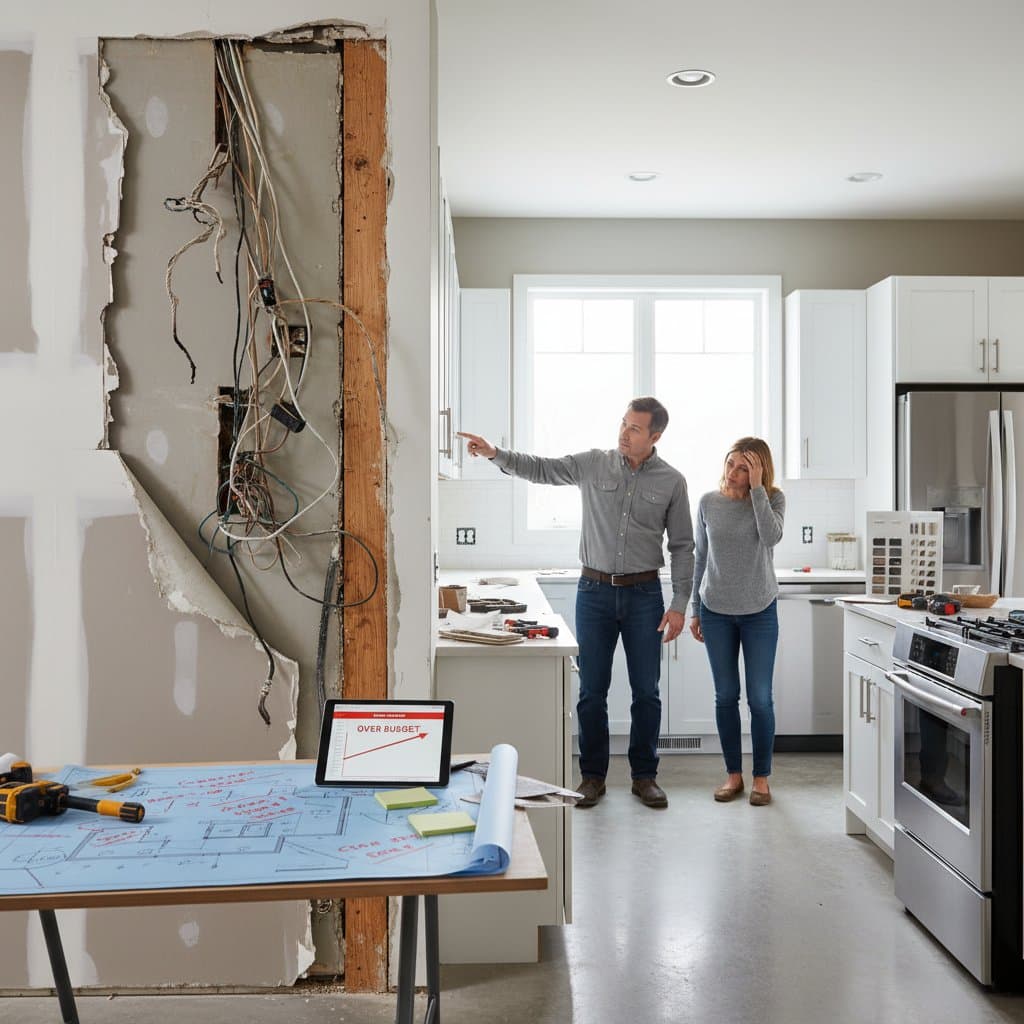
Imagine a Pinterest board filled with inspiring ideas, a carefully selected color scheme, and an initial quote that seems reasonable. The renovation begins, and what started as a controlled update spirals into unexpected expenses that deplete savings rapidly.
Kitchen renovations often exceed budgets despite meticulous planning. A national home improvement survey reveals that almost half of homeowners surpass their original estimates by more than 25 percent. These overruns stem from unforeseen costs absent from initial proposals.
Examine the common hidden expenses that transform a straightforward project into a costly endeavor.
1. Electrical and Plumbing Issues
Quick Overview
Outdated electrical systems or plumbing problems can increase project costs by thousands after walls open.
In Depth
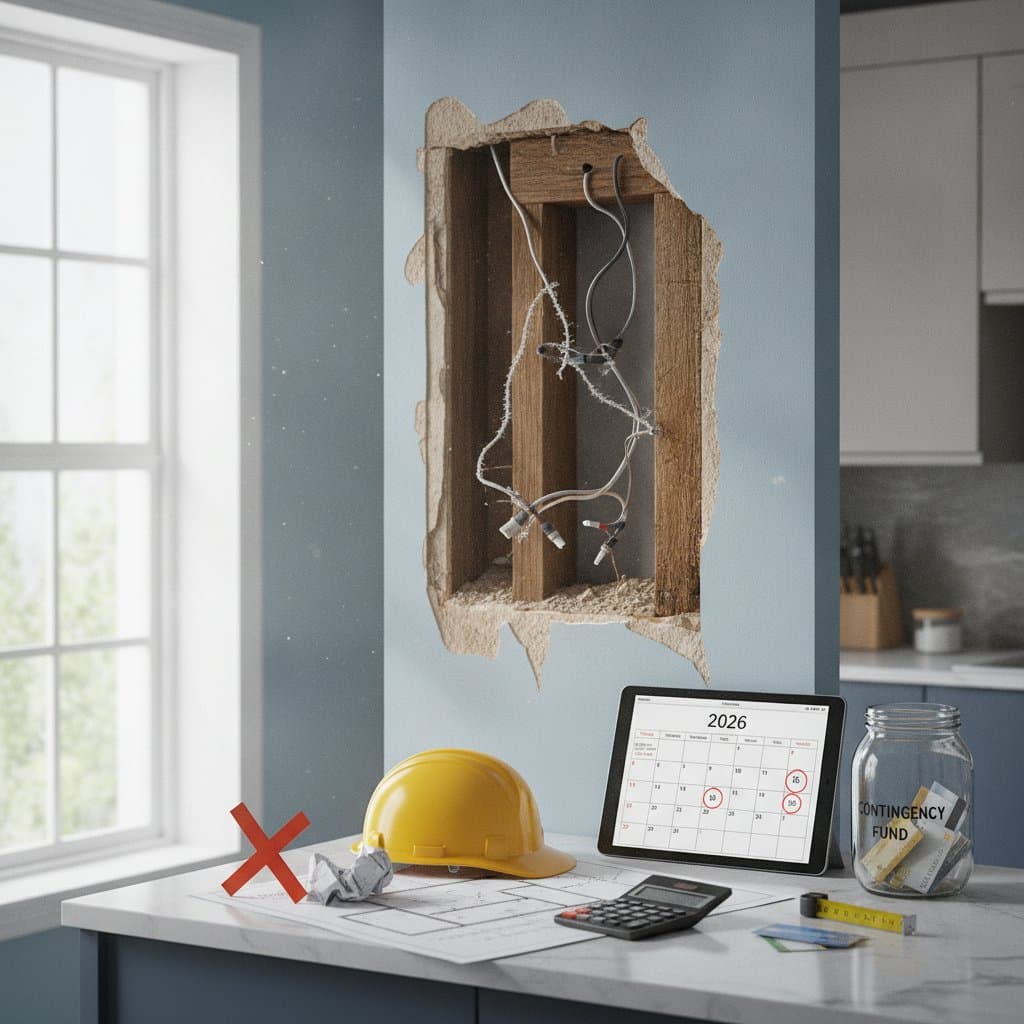
Replacing countertops and cabinets appears simple until professionals uncover concealed defects. In older homes, wiring may prove inadequate for modern appliances, while plumbing might fail basic inspections. Addressing these necessities becomes mandatory, with expenses mounting swiftly.
Typical additional cost: $800 to $4,000 for electrical work and $600 to $3,000 for plumbing repairs.
Expert perspective: Mark DeLuca, certified home inspector and consultant at RedLine Property Advisory, notes, "We find outdated wiring in about one in three kitchen remodels. Homeowners rarely budget for it because it remains invisible until the walls come down."
Cost-control strategy: Commission a pre-renovation inspection targeting mechanical systems. An investment of a few hundred dollars upfront prevents thousands in later modifications.
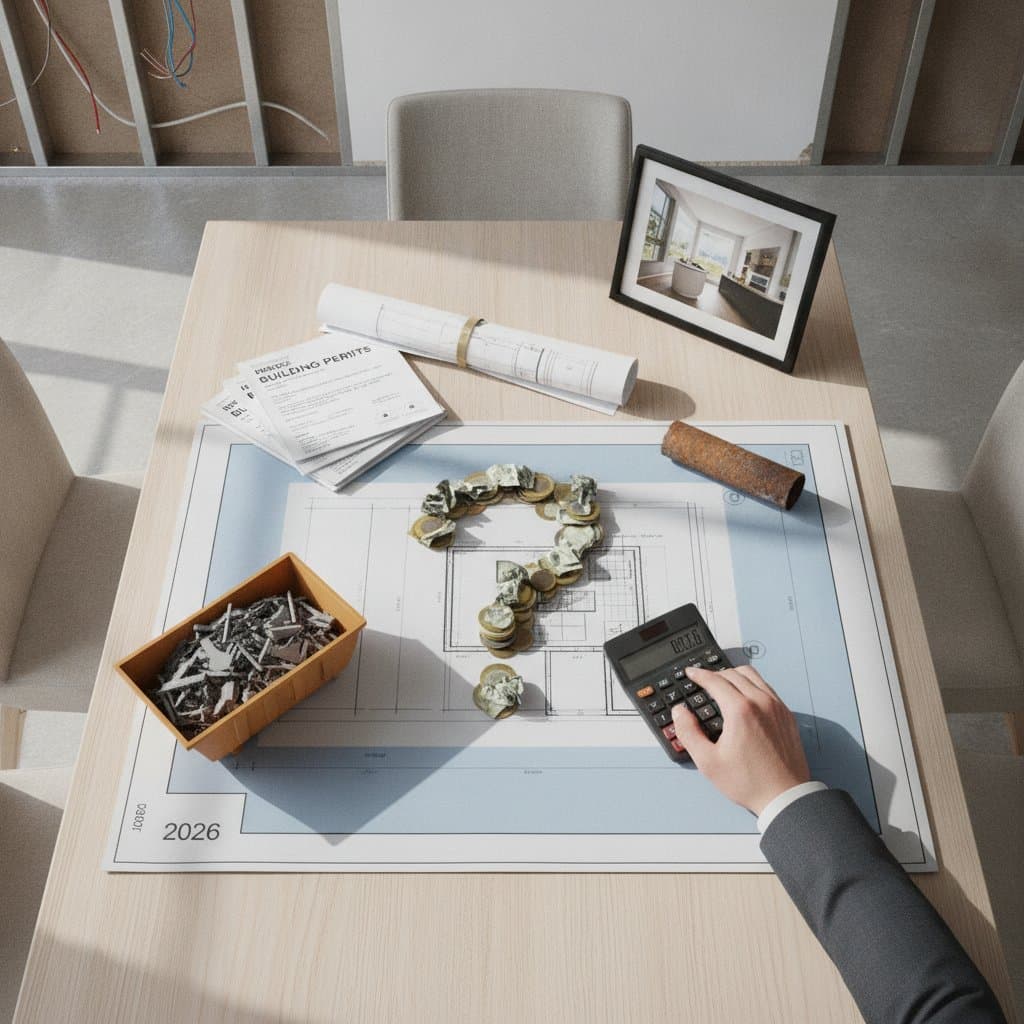
2. Permit Fees and Building Code Requirements
Quick Overview
Local rules impose expenses via permits, inspections, and necessary upgrades to meet codes.
In Depth
Requirements vary by area, yet most kitchen projects demand permits for electrical, plumbing, or structural alterations. Inspections follow, along with potential enhancements like improved smoke detectors or advanced ventilation.
Typical additional cost: $500 to $2,500, based on location and project scale.
Cost-control strategy: Consult your local building department prior to starting. Contractors occasionally overlook permit details or underestimate fees. Early knowledge prevents surprises that inflate budgets.
3. Mid-Project Design Adjustments
Quick Overview
Altering decisions after work commences accelerates cost increases dramatically.
In Depth
Initial plans call for white shaker cabinets. Exposure to walnut veneer samples prompts an upgrade decision. This choice delays timelines, triggers contractor change orders, and strains finances severely.
Typical additional cost: 10 to 20 percent of the overall project budget.
Expert perspective: Ellen Prescott, kitchen designer with twenty years of experience at Studio Redwood Interiors, states, "Even small design changes create widespread impacts. Altering a cabinet finish could necessitate adjustments to countertops, hardware, and delivery timelines."
Cost-control strategy: Confirm all design elements before demolition starts. Reserve a contingency fund for genuine unforeseen issues rather than impulsive changes.
4. Finishing Elements and Overlooked Items
Quick Overview
Elements like lighting, hardware, and paint accumulate expenses more than anticipated.
In Depth
Project fatigue emerges near completion, prompting a rush to finish. Realization dawns that under-cabinet lighting or specific backsplash grout remains unaddressed. These late additions incur higher fees as crews return for brief tasks.
Common extras:
- Cabinet hardware: $100 to $500
- Lighting fixtures: $200 to $1,200
- Paint and touch-ups: $150 to $600
Cost-control strategy: Develop a comprehensive finishing checklist at the outset. Estimate costs for every knob, light fixture, and paint color to grasp the complete expense from the beginning.
5. Fluctuations in Material Prices
Quick Overview
Costs for lumber, tile, and appliances rise unexpectedly for many homeowners.
In Depth
Delays in ordering lead to price hikes or stock shortages for selected tiles. Substituting materials disrupts both budgets and schedules further.
Typical additional cost: 5 to 15 percent of the materials budget.
Cost-control strategy: Secure material prices early through deposits or binding contracts. Request holding quotes from suppliers to shield against abrupt rises.
Strategies to Renovate Affordably
A kitchen renovation brings excitement alongside challenges. Awareness of hidden costs equips you for informed planning. Prioritize clear communication by demanding detailed breakdowns from all professionals, covering labor, materials, and reserves.
Essential preparation steps before contracting:
- Allocate at least 15 percent extra to your budget for contingencies.
- Insist on written allowances for materials, specifying price ranges in advance.
- Conduct a pre-construction walkthrough to identify and address potential issues.
Embracing Your Completed Kitchen
With dust cleared and new lighting illuminating the space, past expenses recede as enjoyment takes precedence. Cooking in a tailored environment rewards the careful choices made.
Approach paint samples and countertop orders methodically. Use planning tools to confront realities head-on. This method ensures a renovation that remains viable financially, handles emotions steadily, and reflects your vision fully.