
The True Cost of 2026 Outdoor Kitchens Revealed
Picture a warm evening with friends gathered around and the aroma of grilled vegetables blending with fresh herbs from the garden. An outdoor kitchen offers more than visual appeal. It represents a lifestyle enhancement that extends daily activities into the fresh air. Before exploring design ideas or appliance options, consider the actual expenses involved and how to allocate funds effectively. Total costs vary considerably, yet strategic planning allows for a luxurious space without excessive expenditure.
Understanding What Drives the Cost
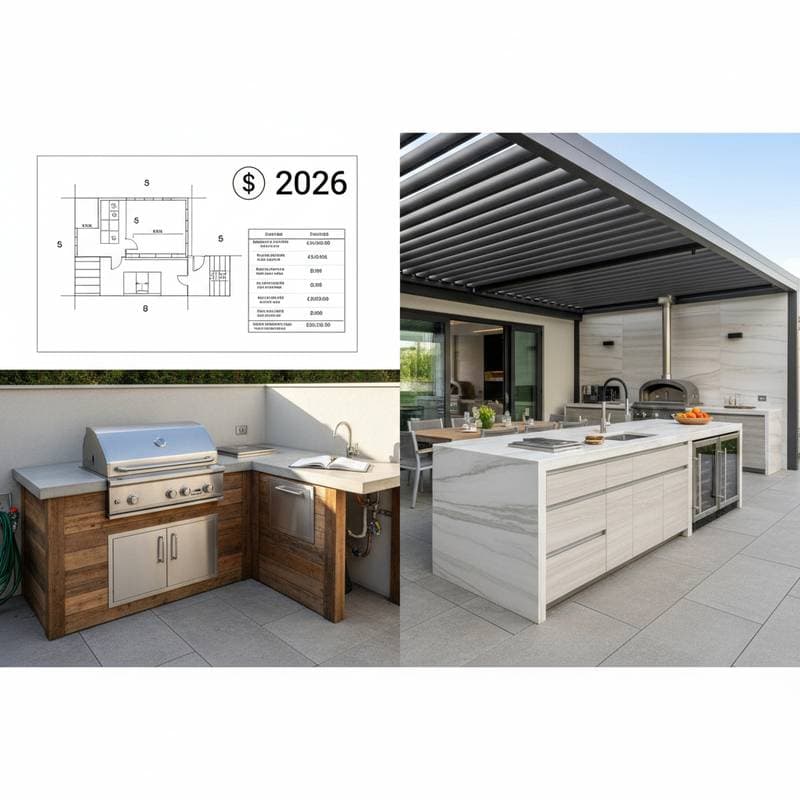
Outdoor kitchens differ in construction and features. Expenses hinge on size, materials, appliances, and overall configuration. View the budget as a balance that shifts based on selected elements. A straightforward built-in grill with a preparation counter incurs lower costs than a comprehensive entertaining area equipped with refrigeration, bar seating, and bespoke stone elements.
Begin planning by defining the intended use of the space. Will it serve for weekend family meals, or do you envision hosting large events with dedicated cooking zones? This decision shapes the layout, material selection, and included features, all of which affect pricing. Projects typically divide into three categories: basic, mid-range, and high-end.
1. The Basic Setup
A basic outdoor kitchen emphasizes simplicity, functionality, and affordability. It features a compact design with a built-in grill, modest countertop, and storage options. This setup suits occasional cooks or limited patio areas, prioritizing essentials over elaborate details.
Typical features include:
- Built-in gas or charcoal grill
- Weather-resistant base cabinets
- Concrete, tile, or granite countertop
- Optional small sink
- Basic electrical and plumbing connections
Opt for economical materials like stainless steel cabinets or prefabricated modules to manage costs. Concrete counters provide a sleek alternative to expensive granite or quartz. Enhance the area with outdoor lighting, a couple of bar stools, and potted plants instead of major structural additions.
Estimated range: $8,000 to $20,000. Compact designs and avoidance of custom masonry keep expenses at the lower end.
2. The Mid-Range Kitchen
A mid-range outdoor kitchen strikes a balance between aesthetics, resilience, and utility. Homeowners often select this level for its optimal blend of style and practicality. It includes an expanded cooking zone, superior materials, and additional integrated appliances.
Typical features include:
- Premium grill with side burners
- Stone veneer or brick base
- Granite or porcelain countertops
- Outdoor refrigerator or wine cooler
- Built-in storage and lighting
- Bar seating or dining space
Customization gains prominence here. Consider a U-shaped layout or L-shaped island that complements the existing patio or deck. Finishes like stacked stone or porcelain tile boost visual appeal. Incorporate a pergola or partial shade cover to improve usability.
Estimated range: $25,000 to $50,000. Variations arise from material selections and site specifics. Quality construction and enduring materials enhance long-term value, particularly for frequent use.
3. The High-End Entertaining Space
Individuals seeking to convert the backyard into a full culinary haven opt for a high-end outdoor kitchen. This category delivers exceptional results through tailored designs, diverse appliances, and architectural integrations akin to indoor setups.
Typical features include:
- Custom framework using natural stone, stucco, or polished concrete
- Multiple cooking stations, including a pizza oven, smoker, and teppanyaki grill
- Outdoor dishwasher and ice maker
- Large sink and preparation area
- Extensive seating and dining zones
- Pergola or pavilion with integrated lighting and ceiling fans
- Sound system and outdoor television
Such projects demand coordination among designers, contractors, and specialists. These spaces serve as central home features, merging form and function seamlessly. Although expenses rise substantially, the result yields an indoor-like extension with enduring benefits.
Estimated range: $60,000 to $150,000 or more. Custom stonework and premium appliances drive higher figures, but robustness justifies the outlay for avid entertainers.
Hidden Costs You Should Plan For
Base construction and appliances represent only part of the equation. Several ancillary expenses can alter the overall budget. Addressing them upfront minimizes disruptions.
Key considerations include:
- Utilities: Professional extension of water, gas, and electricity lines proves essential. Distance from the house elevates these charges.
- Permits: Local regulations may require approvals for gas, electrical, or structural modifications. Confirm needs prior to starting work.
- Foundation and drainage: Effective drainage averts moisture issues. Sloped terrain or inadequate runoff necessitates additional grading and sealing efforts.
- Weather protection: Elements demand resilient coverings, sealants, and finishes to safeguard the setup.
- Maintenance: Regular upkeep for stainless steel and stone elements preserves condition and efficiency.
Incorporating these factors ensures a feasible project timeline and financial plan. Focus on durability and simplicity to promote sustained performance.
Design Choices That Affect Budget
Each design element carries financial implications. Select materials suited to outdoor exposure for optimal cost-effectiveness. Consider these options:
- Countertops: Concrete and tile deliver affordability and elegance. Granite and porcelain provide enhanced resilience at a premium.
- Cabinetry: Stainless steel and marine-grade polymers outperform wood in humidity resistance.
- Flooring: Porcelain pavers, natural stone, or textured concrete ensure safety and sophistication.
- Shade structures: Pergolas or awnings boost comfort yet require added labor and resources.
- Lighting: LED options or string lights create atmosphere with minimal wiring demands.
Subtle adjustments, such as open shelving over fully enclosed units, trim costs while upholding a refined aesthetic.
Getting the Most Value for Your Money
Adopt a forward-thinking approach to budgeting. Investments in robust materials yield savings through reduced future repairs. Inferior options degrade rapidly in harsh weather, prompting costly fixes.
Compare warranties and select appliances certified for outdoor conditions. If adhering to a strict limit, establish the foundation and utilities initially, as retrofits prove challenging. Defer additions like decorative lighting or minor appliances until the primary structure stands complete.
Engage qualified professionals to guarantee compliance and excellence. Contractors can suggest efficiencies, such as positioning near existing lines to cut utility expenses. Their expertise prevents errors that inflate totals.
Living with Your Design
After completion, the outdoor kitchen evolves beyond mere functionality. It functions as a gathering spot and expands household routines outdoors. Preserve its allure through routine surface cleaning, appliance inspections, and seasonal decor refreshes.
Incorporate welcoming elements like outdoor rugs, planters, and cushions to link it with indoor spaces. Strategic lighting fosters ambiance, transforming the area into an inviting haven at dusk.
Future expansions offer flexibility. Begin with core components like a grill and counter, then incorporate features such as a pizza oven or additional seating. Phased development accommodates constraints while allowing progressive enjoyment.
Steps to Launch Your Project
To initiate construction, assemble a team of vetted contractors and outline a detailed timeline. Secure quotes from multiple sources to benchmark costs accurately. Review material samples in person to align selections with your vision and budget. With thorough preparation, your outdoor kitchen will deliver years of enhanced living without unforeseen financial strain.