
The 15 Hidden Costs That Could Derail Your Remodel
Consider the ideal kitchen you have curated from online inspirations, complete with elegant marble surfaces and polished fixtures. In practice, home renovations seldom align perfectly with such ideals, particularly when unforeseen expenses arise. A recent national survey of homeowners reveals that almost 40 percent of projects exceed their budgets, frequently by substantial amounts.
Before initiating any demolition, review these 15 potential hidden costs. Awareness allows you to allocate funds wisely and avoid rapid depletion of your renovation reserves.
1. Permit Fees and Inspections
Local regulations mandate permits for most remodels, regardless of scale, with fees ranging from several hundred to thousands of dollars based on project scope. Failure to obtain them risks project shutdowns and complications during future property sales. Contractor Lisa Mendoza of ClearPath Construction notes, “Unpermitted work can halt your project midstream and cause long-term resale headaches.” To mitigate this, research your area's requirements early and factor in inspection schedules to prevent delays.
2. Structural Surprises
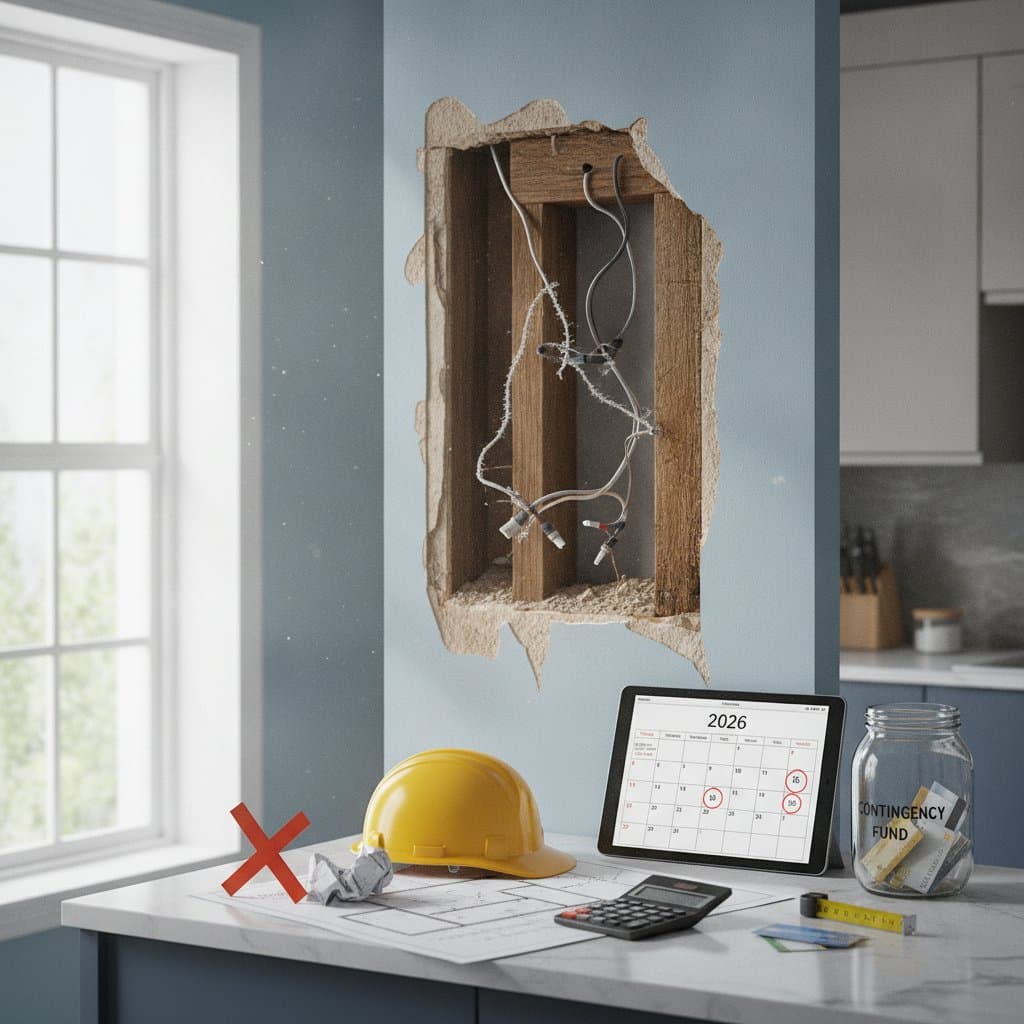
Demolishing walls often reveals issues like outdated wiring, compromised joists, or concealed water damage, each capable of inflating costs by thousands. These discoveries demand immediate attention to ensure safety and compliance. Allocate a contingency fund of at least 15 percent of your total budget specifically for such revelations. Conduct a pre-renovation inspection by a structural engineer to identify risks upfront and adjust plans accordingly.
3. Outdated Electrical Systems
Homes built before the 1980s frequently feature electrical panels inadequate for contemporary demands. Upgrading them to handle increased loads may exceed the price of new appliances. Electrician Peter Huang states, “Safety upgrades are not optional, even if they do not add visual appeal.” Evaluate your system's capacity during initial planning and prioritize upgrades to avoid mid-project interruptions and fire hazards.
4. Plumbing Nightmares
Relocating fixtures such as sinks or showers appears straightforward until corroded pipes or low water pressure complicate the process. Rerouting lines in kitchens or bathrooms can double labor expenses due to access challenges. Inspect existing plumbing before finalizing designs, and select a plumber experienced in older homes to minimize surprises. Budget extra for potential pipe replacements to maintain smooth water flow.
5. Mold and Asbestos Removal
Properties constructed before 1980 may contain hazardous materials like mold, asbestos, or lead paint, necessitating professional remediation. Specialized teams handle removal and disposal, driving up costs significantly. Test for these substances prior to starting work, especially in attics or basements. Choose certified contractors to ensure compliance with health regulations and avoid health risks for your family.
6. Design Revisions
Mid-project changes to materials or layouts trigger extensive adjustments in labor and supplies. Interior designer Rachel Kim of Haven Studio observes, “Each revision restarts the domino effect on time, labor, and cost.” Finalize designs with detailed sketches and samples before construction begins. Consult professionals early to lock in choices and prevent costly alterations.
7. Delivery Delays and Storage Fees
Supply chain issues can postpone material arrivals, leading to on-site storage charges or idle contractor time, both of which incur fees. Verify supplier reliability and build buffer days into your timeline. Order critical items in advance and monitor shipments closely. This approach keeps the project moving without accruing unnecessary expenses.
8. Waste Removal
Renovations produce substantial debris, requiring dumpsters, hauling services, and recycling fees that often escape initial estimates. A full-scale project might generate tons of waste, pushing disposal costs into the thousands. Estimate debris volume based on square footage and arrange for multiple hauls if needed. Opt for contractors who include waste management in their bids to streamline costs.
9. Temporary Living Expenses
Major work, like a kitchen overhaul, may force relocation or reliance on temporary setups, including hotel stays or frequent dining out. Even brief disruptions accumulate expenses over weeks. Plan for these by selecting phased construction where possible. Set aside a dedicated fund for meals and lodging to maintain comfort during the process.
10. Finishing Touches and Fixtures
Elements such as cabinet handles, door hinges, switch plates, and trim appear insignificant individually but total thousands when accumulated. Overlook them, and the project feels incomplete. Create a detailed list of these items during the design phase and source them affordably in bulk. This ensures a polished result without last-minute budget strain.
11. Landscaping and Exterior Repairs
Construction activities, including equipment use and debris accumulation, frequently damage lawns, driveways, and gardens. Restoration efforts post-project can rival interior costs. Protect exteriors with barriers during work and document pre-existing conditions. Hire landscapers for targeted repairs to restore your property's curb appeal efficiently.
12. Upgraded Materials
Premium selections like quartz surfaces or bespoke tiles tempt during showroom visits, yet upgrades across multiple areas escalate material expenses rapidly. Balance aesthetics with affordability by setting material tiers in your budget. Compare options for durability and cost savings, focusing on high-impact areas. This strategy achieves luxury without overspending.
13. Energy Efficiency Upgrades
Current building codes enforce enhanced insulation, energy-efficient windows, and improved ventilation systems. These features reduce long-term utility bills but raise initial outlays. Integrate them from the outset to meet standards and qualify for potential rebates. Consult energy auditors to identify the most effective improvements for your home.
14. Contractor Markups and Change Orders
Contractors typically apply markups to materials and subcontractors, a common practice that impacts the overall total. Request itemized breakdowns to understand these additions fully. Negotiate fixed-price contracts where possible and define change order processes clearly. This transparency helps control expenses throughout the project.
15. Post-Renovation Cleaning and Touch-Ups
After construction concludes, professional cleaning removes dust and debris, while touch-up painting perfects surfaces. These steps, though minor, ensure a habitable space. Schedule them immediately upon completion and budget accordingly. A thorough final clean prevents ongoing maintenance issues and enhances satisfaction.
Strategies to Safeguard Your Budget
With these costs identified, focus on proactive measures to maintain financial control. Obtain at least three comprehensive bids from reputable contractors, each including line-item details for materials, labor, and allowances.
Financial planner Martin Reyes, who guides homeowners through renovation finances, advises, “Transparency is your strongest defense against budget creep. If a quote feels vague, it probably hides costs you will pay later.” Establish a contingency reserve of 10 to 20 percent, monitoring expenditures weekly to detect deviations promptly. Use tracking tools or spreadsheets for real-time oversight.
Achieving a Remodel That Delivers Lasting Value
A home renovation offers the chance to enhance your living space meaningfully. Thorough preparation turns potential challenges into manageable aspects of the process. By anticipating hidden expenses, you secure a project that aligns with your vision and financial parameters.
View the endeavor as an investment in your home's future. Realistic planning fosters enjoyment of the upgraded environment, free from lingering financial concerns.