Uncover Hidden Costs in 2025 Kitchen Remodels
Homeowners often envision a seamless kitchen remodel that transforms daily routines into efficient, enjoyable experiences. However, unforeseen expenses frequently disrupt these plans. This article examines the most common hidden costs in 2025 kitchen renovations, provides strategies to identify them early, and offers practical steps to maintain budget control.
Electrical updates, plumbing adjustments, permit fees, and structural modifications represent just a few of the potential budget drains. By understanding these elements, readers can approach their projects with greater confidence and fewer surprises. The following sections detail these costs and mitigation tactics.
Dream Designs Meet Real-World Expenses
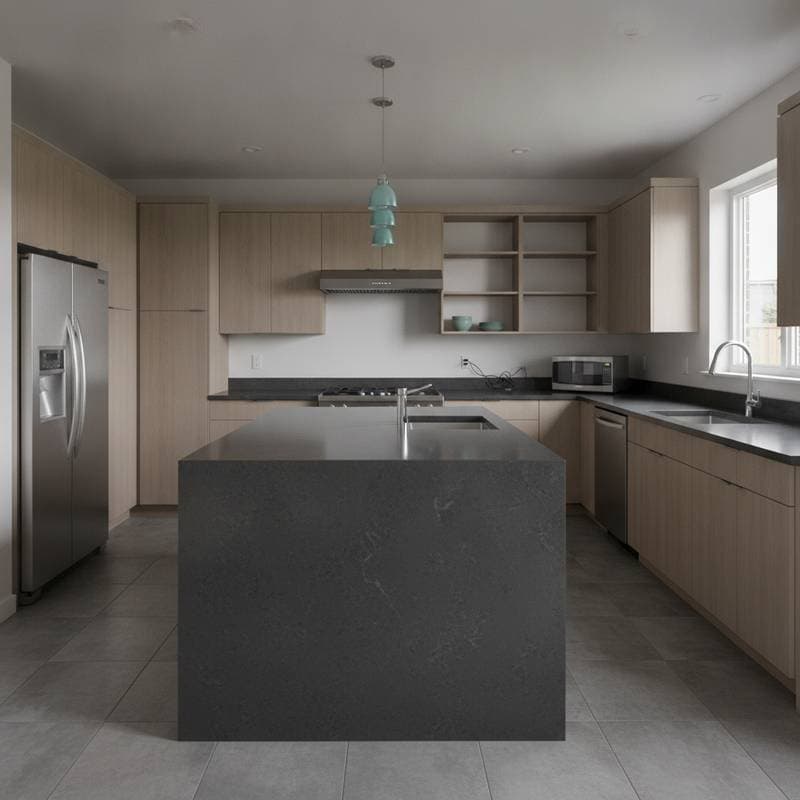
Most kitchen remodels begin with inspiration from design magazines or online galleries, featuring open layouts and high-end finishes. These visions rarely account for the practical challenges that arise during construction. As demolition progresses, underlying issues emerge that demand immediate attention and additional funding.
For instance, an apparently stable subfloor may require reinforcement to support new appliances or heavy countertops. Contractors assess these conditions on-site, leading to revised estimates that exceed initial projections. Planning for such discoveries prevents financial strain later in the process.
Key Hidden Costs to Anticipate
1. Electrical Updates
Homes built before 1980 often feature outdated wiring that fails to meet current safety codes. Installing modern features like under-cabinet LED lighting or smart appliances may necessitate a full electrical overhaul. Costs for rewiring a standard kitchen range from $2,000 to $5,000, depending on the home's age and layout complexity.
Relocating outlets or adding dedicated circuits for high-power devices, such as induction ranges, incurs further charges. Electricians charge by the hour, typically $75 to $150, plus materials. To minimize expenses, request a pre-remodel electrical inspection to identify issues upfront.
2. Plumbing Adjustments
Selecting a new sink or dishwasher often involves repositioning pipes, which can complicate installations. A farmhouse-style sink, for example, requires reinforced cabinetry and custom plumbing fittings due to its weight and depth. Expect to pay $1,500 to $4,000 for these modifications in an average-sized kitchen.
Rerouting lines through floors or walls adds labor-intensive work, as plumbers must ensure leak-proof connections. Professional rates average $80 to $120 per hour. Opt for fixtures compatible with existing infrastructure to reduce these costs.
3. Permits and Inspections
Local building codes mandate permits for most kitchen alterations, including electrical, plumbing, and structural changes. Fees vary by location but typically total $500 to $1,500 for a full remodel. Inspections ensure compliance, yet they may uncover code violations that require remediation before approval.
Delays from repeated inspections can extend timelines by weeks, increasing labor costs. Research municipal requirements early and hire a contractor experienced in local regulations to streamline the process.
4. Structural Modifications
Removing a non-load-bearing wall seems straightforward, but many partitions provide essential support. Engaging a structural engineer costs $500 to $1,000 for an assessment, followed by $3,000 to $10,000 for installing beams or columns. These interventions maintain building integrity while achieving an open-concept design.
Consult an engineer before finalizing plans to avoid mid-project discoveries. This step integrates seamlessly with architectural drawings, preventing costly halts.
5. Custom Cabinetry and Hardware
Standard cabinets fit neatly into rectangular spaces, but irregular layouts demand bespoke solutions. Custom pieces for awkward corners or angled walls increase expenses by 20 to 50 percent over stock options. A full set of custom cabinets may total $10,000 to $25,000.
Premium hardware, such as soft-close hinges or imported pulls, adds $500 to $2,000. Measure your space precisely during the design phase and explore semi-custom lines that balance fit and affordability.
Overlooked Expenses in Execution
Issues Concealed in Walls and Floors
Demolition frequently reveals deteriorated plaster, mold, or inadequate insulation behind existing surfaces. Remediation costs $1,000 to $3,000 per affected area. Similarly, subfloors damaged by moisture may need replacement at $5 to $10 per square foot.
Address these proactively with a professional inspection. Proper repairs enhance energy efficiency and prevent future maintenance issues.
Accumulating Finishing Details
Backsplash tiling, wall painting, and fixture installations appear minor but sum to significant outlays. High-quality ceramic tiles cost $10 to $20 per square foot installed, while designer lighting fixtures range from $200 to $1,000 each. Track these items in a dedicated budget category to monitor spending.
Select durable, low-maintenance materials that align with usage patterns. This approach delivers aesthetic appeal without excessive long-term costs.
Logistics and Cleanup Charges
Hauling away debris requires dumpster rentals at $300 to $600 per load, plus contractor fees for disposal. Delivery of heavy items like countertops incurs $100 to $500 in transport costs. Post-construction cleaning, essential for removing fine dust, adds $300 to $800.
Incorporate these into your contract from the outset. Choose contractors who bundle services to simplify billing.
Managing Decision Overload
Kitchen projects involve hundreds of choices, from countertop edges to lighting temperatures, which can lead to fatigue and errors. This mental strain indirectly inflates costs through rushed decisions or rework. Allocate time for selections in phases to maintain clarity.
Consider consulting an interior designer for $50 to $150 per hour to guide options efficiently. Their expertise streamlines the process and avoids common pitfalls.
Strategies to Control Costs Effectively
1. Establish a Contingency Reserve
Allocate 10 to 20 percent of your total budget for unexpected issues. This fund covers surprises without derailing the project. Review expenditures monthly to adjust as needed.
2. Secure Comprehensive Estimates
Request breakdowns that specify labor, materials, and contingencies. Compare quotes from at least three contractors to identify fair pricing. Clarify change-order policies in writing.
3. Incorporate Reuse and Repurposing
Reface existing cabinets with new veneers for $3,000 to $7,000, saving up to 50 percent over full replacement. Retain functional appliances or fixtures where possible. Partner with a carpenter to adapt items to new designs.
4. Optimize Layout for Efficiency
Design around current plumbing and electrical placements to limit relocations. Use visual software to test configurations virtually. This preserves functionality while minimizing invasive work.
5. Communicate Budget Expectations Clearly
Disclose financial limits at the initial consultation. Reputable contractors prioritize essentials and suggest cost-saving alternatives. Regular progress meetings foster transparency.
Balancing Investment with Practicality
A well-executed kitchen remodel enhances home value and daily comfort, justifying the investment. Focus on durable elements that suit your lifestyle rather than trends. Track the project's evolution to appreciate incremental improvements.
Upon completion, the space becomes a functional hub for meals and gatherings. Regular maintenance ensures longevity, maximizing return on your efforts.
Apply These Insights to Your Project
Implement a pre-remodel audit to baseline costs and risks. Document decisions and vendor communications for reference. With preparation, your 2025 kitchen remodel can proceed smoothly, delivering a space that enriches home life without financial regret.