
The Wet Room Revolution: Key Costs and Considerations
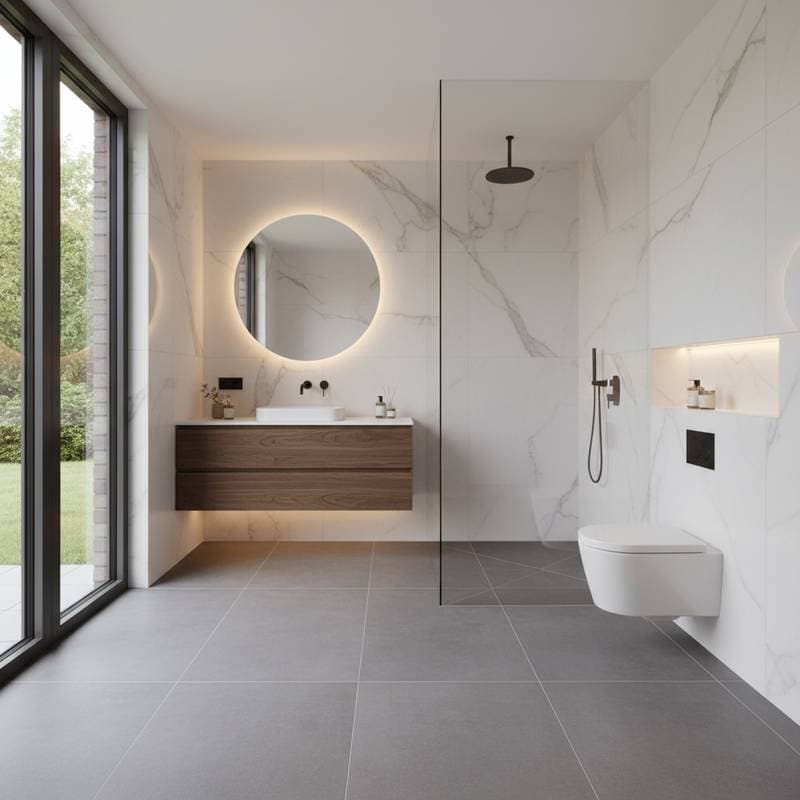
Modern bathrooms increasingly feature open, barrier-free layouts that combine functionality with elegance. Wet rooms represent this shift, offering seamless integration of shower areas into the overall space. However, success depends on a structure-first approach that prioritizes waterproofing, drainage, and durability from the outset. Homeowners who invest thoughtfully in these elements avoid costly repairs and enjoy a space that enhances daily comfort.
Planning a wet room involves balancing aesthetics, safety, and budget. Average costs range from $15,000 to $30,000 for a standard 100-square-foot remodel, depending on materials and complexity. Factors such as professional installation and high-quality components drive these figures. Understanding the core principles ensures your project delivers value without unnecessary expenses.
1. Prioritize Structural Waterproofing
Water infiltration poses the greatest threat to any wet room. Many projects fail because builders treat waterproofing as a surface-level application rather than a foundational system. Water penetrates grout lines and tile edges, leading to mold, structural damage, and diminished property value.
The solution lies in comprehensive membrane systems applied by certified professionals. Opt for sheet membranes that form a continuous barrier or liquid-applied membranes reinforced with fabric for added strength. These materials create a robust shield against moisture.
Technical specifications demand precision: seams must overlap by at least two inches, and corners require preformed sealing pieces or waterproof banding. This method not only prevents leaks but also safeguards underlying framing and insulation. The result extends the lifespan of your investment and maintains warranty coverage for peace of mind.
2. Design Precise Drainage Systems
Effective water removal prevents pooling, which causes slips and accelerates wear on finishes. Inadequate drainage often stems from improper floor sloping or drain placement, as seen in renovations where water collects in corners due to uneven gradients.
Address this by incorporating linear drains along walls or central point drains with a uniform slope toward the outlet. Professional surveyors ensure the floor pitches correctly, typically at a one-quarter-inch drop per foot.
Choose stainless steel linear drains with integrated flanges that bond seamlessly to waterproofing layers. These components provide a sleek appearance while ensuring reliable performance. Proper drainage maintains a dry, safe surface, preserves tile integrity, and minimizes maintenance needs over time.
3. Select Durable Materials for Longevity
Material choices influence both the visual appeal and resilience of a wet room. Inexpensive options may initially save money but lead to frequent replacements. Porcelain or stone tiles with low water absorption rates outperform ceramic alternatives in wet environments.
Pair tiles with epoxy or cement-based grouts that resist cracking and staining. For walls, consider large-format panels or glass mosaics sealed with silicone caulk at joints. These selections withstand constant exposure to humidity and cleaning agents.
Budget approximately $5 to $15 per square foot for premium tiles, plus $2 to $4 for grout and sealants. High-quality materials reduce long-term costs by resisting efflorescence and discoloration, allowing the space to retain its sophisticated look for years.
4. Incorporate Ventilation Strategies
Poor airflow traps moisture, fostering mildew and compromising air quality. Many installations overlook ventilation until odors or condensation appear, complicating retrofits.
Install exhaust fans rated for continuous use, positioned to capture steam from the shower area. Combine these with operable windows or passive vents for natural circulation. Aim for at least 50 cubic feet per minute of airflow in a standard bathroom.
Select humidity-sensing models that activate automatically. This setup regulates moisture levels effectively. Benefits include fresher air, reduced mold risk, and preservation of finishes, contributing to a healthier living environment.
5. Integrate Accessibility Features from the Start
Adapting a completed wet room for accessibility proves challenging and disruptive. Delaying these elements often results in mismatched grab bars or insufficient turning radii, compromising usability.
Plan for reinforcements in wall framing prior to finishing. Install wooden blocking between studs at heights of 33 to 36 inches for future grab bar mounting. Ensure at least 60 inches of clear floor space for wheelchair maneuverability.
These proactive measures accommodate aging in place without altering the design aesthetic. The upfront cost, around $500 to $1,000, pales in comparison to later modifications. This approach promotes safety and inclusivity for all household members.
6. Optimize Lighting for Functionality and Ambiance
Inadequate illumination creates shadows and highlights imperfections in wet rooms. Treating lighting as secondary often leaves key areas underlit, affecting both practicality and mood.
Layer lighting with recessed waterproof fixtures for overhead coverage and wall sconces for task illumination. Incorporate LED strips along shelves or benches to accentuate architectural details.
Choose fixtures with IP65 or higher ratings for wet zones, avoiding glare through diffused lenses. Strategic placement enhances texture in tiles and fixtures. This thoughtful design elevates the space, making it inviting and efficient for everyday use.
7. Budget for Professional Expertise
Attempting a DIY wet room invites errors that escalate expenses. Certified contractors bring knowledge of building codes and best practices, ensuring compliance and quality.
Allocate 20 to 30 percent of the total budget to labor, with plumbers and tilers commanding $75 to $150 per hour. Consult specialists early to review plans and identify potential issues.
Professional involvement minimizes risks like code violations or warranty voids. The investment yields a flawless execution that stands the test of time, maximizing return on your remodel.
Maintaining Your Wet Room Investment
A well-constructed wet room requires ongoing care to sustain its performance. Inspect seals and grout lines quarterly, resealing as needed to prevent water intrusion. Clear drains monthly to avoid clogs from soap residue and hair.
Use pH-neutral cleaners designed for stone and tile surfaces, avoiding abrasives that dull finishes. Run ventilation after each use to expel humidity promptly. These habits preserve the structural integrity and visual appeal, ensuring the space remains a luxurious sanctuary. Regular upkeep transforms your wet room into a enduring feature of the home.