
Waterproofing Essentials for Wet Room Renovations in 2026
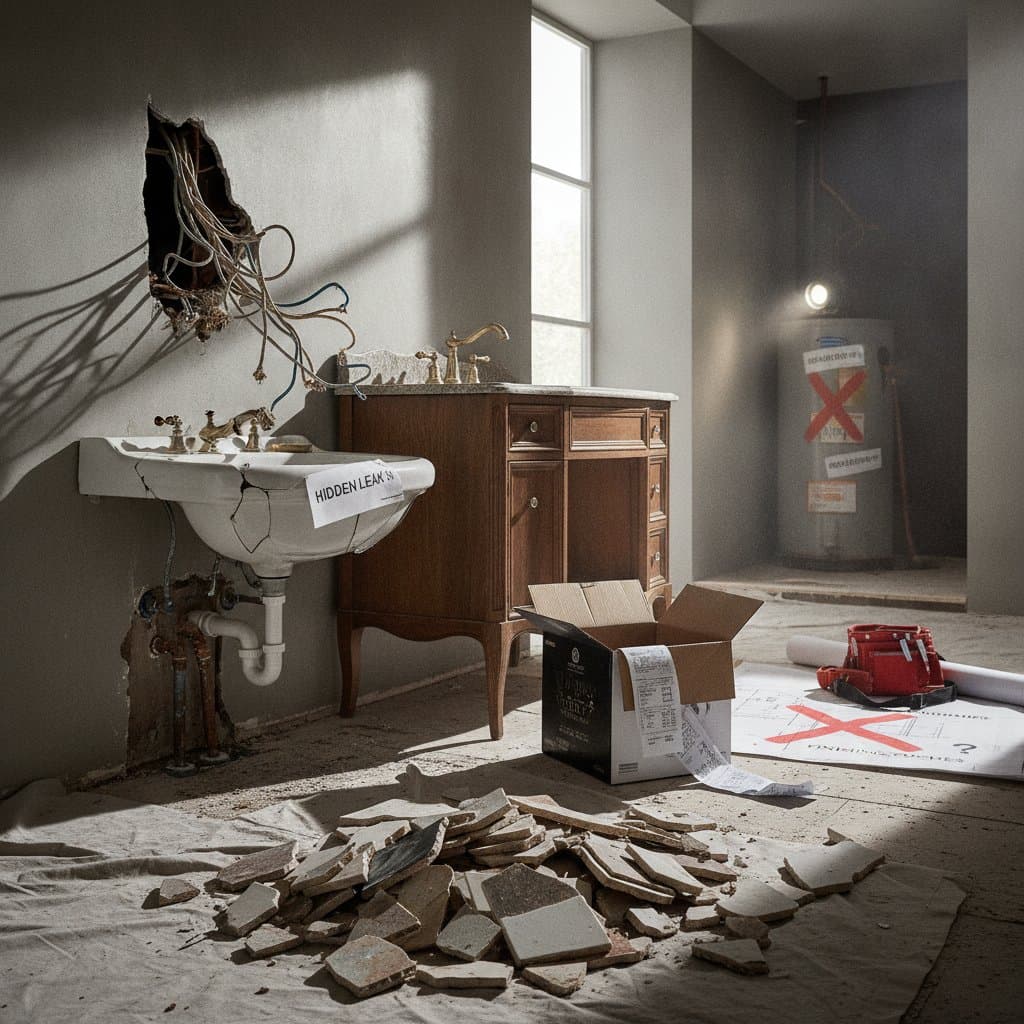
The appeal of a wet room lies in its seamless integration of shower and bathroom space. A curbless entry creates an open, luxurious feel, while uniform flooring enhances the spa-like atmosphere. However, without proper waterproofing, this vision can lead to water damage, such as leaks seeping under doors or stains appearing on lower-level ceilings.
Waterproofing serves as the critical foundation for any wet room. It ensures that water remains contained and directed appropriately, preserving the structure and aesthetics of the home. Professionals emphasize that overlooking this step often results in costly repairs, as seen in many initial renovation attempts.
To achieve a durable, elegant wet room, focus on these key waterproofing principles. They provide the balance between visual appeal and practical performance.
Establishing the Proper Floor Gradient
Effective drainage begins with the floor gradient, which relies on gravity to guide water toward the drain. A well-designed slope prevents standing water without compromising comfort or appearance.
Aim for a gradient of 1:40 to 1:80, depending on the room size and drain type. This subtle incline, typically 12 to 25 millimeters over two meters, ensures efficient flow while maintaining a level feel underfoot. Begin by leveling the subfloor completely, then incorporate the slope into the screed layer or use a pre-formed shower tray.
Precision tools, such as laser levels, help achieve accuracy. Installers measure from the highest point near walls to the drain, verifying the slope at multiple points. This method avoids uneven surfaces that could cause water to pool or tiles to shift.
Designing Curbless Showers with Reliable Drainage
Curbless showers define the modern wet room, offering accessibility and a spacious look. Yet, they demand superior waterproofing to manage water spread across the entire floor.
Select linear drains for their efficiency in capturing water along the shower perimeter. These slim channels, often 600 to 1200 millimeters long, integrate seamlessly under tiles and support a single-direction slope. Alternatively, point drains in the center require a four-way gradient, which directs water from all sides but may challenge tile alignment.
Position the drain strategically based on showerhead location and user habits. For example, place a linear drain opposite the primary water source to intercept flow directly. Before committing, simulate water patterns using a hose or bucket to confirm coverage and adjust as needed.
Selecting Durable Materials for Waterproofing
The visible elements like tiles receive praise, but the underlying materials determine long-term success. Choose components that resist moisture and accommodate minor movements in the structure.
Opt for flexible, cement-based adhesives and grouts rated for wet environments. These formulations, often containing polymers, flex with thermal expansion to prevent cracks that invite water intrusion. Apply them in thin, even layers to bond tiles securely without air pockets.
For flooring, prioritize tiles with a pendulum slip resistance value of 36 or higher in wet conditions. Textured porcelain or matte ceramic options provide safety without sacrificing style. If considering natural stone, seal it thoroughly with penetrating sealers applied before and after installation to block absorption.
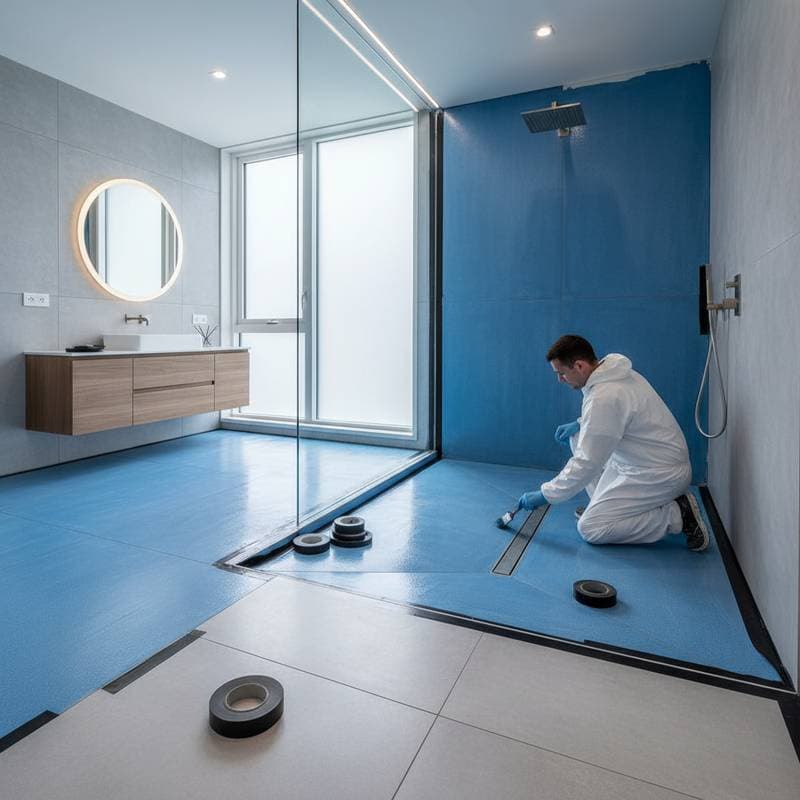
Incorporate waterproof membranes as a barrier layer. Liquid-applied membranes, such as polyurethane or acrylic-based products, coat the substrate in multiple passes for full coverage. Sheet membranes, like butyl rubber, offer reliable seams when overlapped and taped correctly.
Applying Membranes and Sealing Vulnerable Areas
Membranes form the primary defense against water penetration, applied directly to the prepared substrate. They create a continuous, impermeable shield that extends up walls and around fixtures.
Prepare the surface by cleaning and priming to ensure adhesion. For liquid membranes, use a roller or brush to apply two to three coats, allowing drying time between layers. Test continuity with a wet sponge method: flood the area and check for dry spots indicating gaps.
Seal joints, corners, and penetrations meticulously. Use silicone caulk for flexible seals around pipes and edges, tooling it smooth to eliminate voids. Extend membrane up walls at least 150 millimeters above the shower threshold to contain splashes.
Professional Installation Versus DIY Approaches
While DIY projects offer satisfaction, waterproofing requires expertise to avoid failures. Professionals follow building codes, select compatible materials, and perform leak tests that reveal issues early.
Hire certified contractors experienced in wet room systems. They assess site conditions, recommend code-compliant solutions, and provide warranties. Budget for this investment, as errors in application can lead to mold growth or structural damage within months.
For DIY enthusiasts, adhere strictly to manufacturer guidelines. Purchase kits with pre-measured components and follow step-by-step instructions. Document each stage with photos and conduct a 24-hour flood test before tiling to verify integrity.
Ensuring Long-Term Performance Through Maintenance
A well-waterproofed wet room demands ongoing care to sustain its performance. Regular inspections catch minor issues before they escalate.
Clean drains monthly to prevent clogs that impede flow. Reapply sealants every two years, focusing on high-wear areas. Monitor for signs of failure, such as efflorescence or soft grout, and address them promptly with targeted repairs.
By integrating these waterproofing practices, homeowners create a resilient space that enhances daily routines. The result is a bathroom that delivers enduring luxury, free from the disruptions of water damage.