
2026's Top Remodeling Trend: Nature-Inspired Biophilic Design
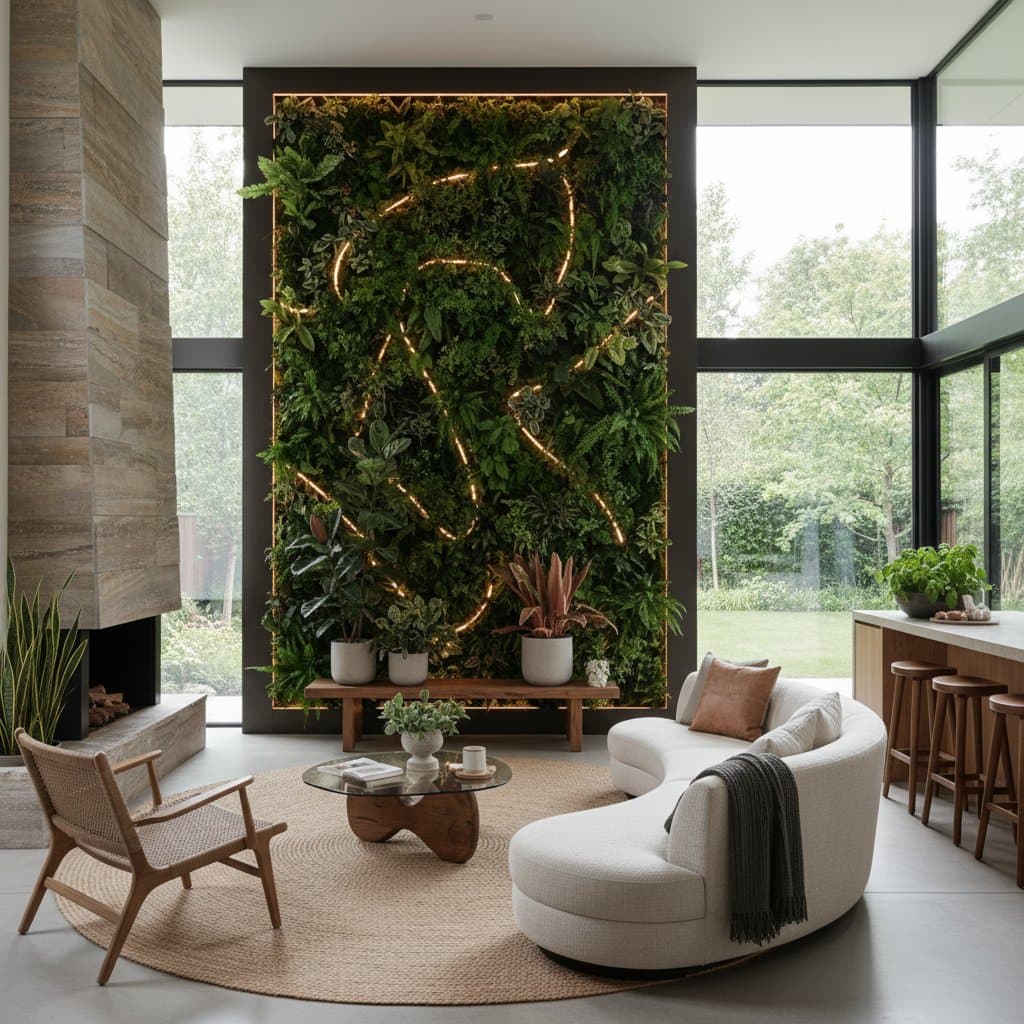
This story draws on data from the most-saved remodeling projects on Houzz and Pinterest, where nature-inspired biophilic design has surged in popularity. Homeowners seek calm, restorative interiors that reconnect them with the natural world. Organic textures, living walls, and daylight-driven layouts lead the way. These elements show that sustainability and serenity can occupy the same space.
As a designer who maintains a small collection of vintage planters and experiments with DIY moss art at home, I find this trend both grounding and inspiring. The following examples highlight how designers blend natural materials with modern functionality.
Water Garden
Location: Austin, Texas
Designer: Amara Design Studio
A remodeled bathroom glows with tranquil light reflected off glossy white Moroccan zellige tile and soft limestone flooring. A trough sink carved from honed marble rests beneath a round skylight. This setup creates interplay between water and sunlight. Lush hanging ferns frame the mirror. They filter daylight and purify the air.
The designer aimed to bring spa-like calm to daily routines. Natural stone and live plants improve humidity balance. They also elevate the space into a serene retreat. This project connects the sensory experience of bathing to nature rhythms.
Sunlit Sanctuary
Location: Santa Barbara, California
Designer: Elena Cruz Design
A dated midcentury home was opened with clerestory windows and skylights. These features flood interiors with natural light. White oak floors and handmade clay wall tiles create a soft, tactile palette. The palette mirrors the coastal cliffs nearby. Potted olive trees anchor corners. Woven jute rugs add texture underfoot.
Prioritizing daylight and ventilation improved energy efficiency and comfort. The materials age gracefully and develop character over time. This remodel demonstrates that biophilic design offers beauty along with a long-term investment in well-being.
Desert Calm
Location: Sedona, Arizona
Designer: Harlow + Kent Design
This remodel centers on a kitchen that merges earthy tones with sleek form. Clay plaster walls in muted sand shades meet countertops of honed travertine. Open shelves display handmade pottery and woven baskets. Desert succulents line the windowsill.
The designer replaced upper cabinets with open shelving. This enhances flow and natural light. The change gives the small kitchen an airy feel. It invites moments of pause amid daily routines. The muted palette reflects the desert landscape and grounds the home in its environment.
Mountain Hearth
Location: Boulder, Colorado
Designer: Redline Architecture
A modern cabin reinvents rustic style with precision detailing. The central fireplace, faced in rough-hewn slate, anchors an open living zone. Fir beams meet plastered white walls. Wool textiles in deep charcoal tones add visual depth.
The layout encourages conversation and warmth around the hearth. Each finish was chosen for durability and sensory comfort. The stone holds radiant heat. Natural fibers regulate humidity. These choices make the home feel balanced through every season.
Integrating Nature Into Daily Life
Biophilic remodeling reflects a cultural shift toward healthier, more mindful living. The spaces above share a common thread. Each fosters emotional restoration through texture, light, and natural materials.
Homeowners considering this approach can start small. Introduce materials that age gracefully, such as oak, clay, or rattan. Replace synthetic finishes with breathable, low-VOC alternatives. Add greenery where light allows. Experiment with preserved moss panels that require no maintenance.
Designers find that even minor changes create meaningful improvements. Examples include aligning sightlines to a garden or using reflective surfaces to amplify daylight. The goal is to build harmony with nature rather than mimic it.
As someone who keeps a mini herb wall in my kitchen, I have seen how these touches influence daily rhythm. The scent of basil or the texture of a linen curtain can shift mood and encourage slower moments.
Whether refreshing a single room or planning a full remodel, consider your home as a living ecosystem. Every material, color, and light source contributes to its balance.