The Hidden Costs Impacting Your 2025 Bathroom Remodel
Bathroom remodels rank among the most popular projects on design platforms. Homeowners frequently save images of spa-like showers, floating vanities, and stone-clad walls for inspiration. However, the financial reality behind those images often exceeds expectations. Data from remodeling forums indicates that actual budgets typically overrun initial estimates by fifteen to twenty percent. These overruns stem not from a single error but from multiple hidden costs that accumulate as the project progresses.
This article reveals key overlooked factors that drive up expenses in bathroom remodels. It examines specific examples from real projects and provides strategies to anticipate and mitigate these costs. By understanding these elements, readers can maintain their design vision while safeguarding their finances.
1. Plumbing Revisions
Moving a shower just a few feet can alter the entire project scope.
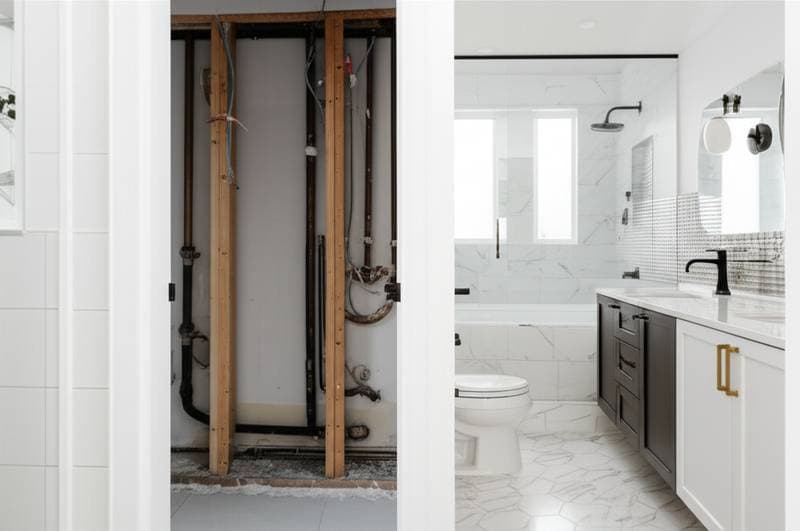
In a loft bathroom in Chicago's West Loop, James Porter of Porter & Vale Interiors repositioned the tub and vanity to enhance the floor plan. He installed new copper supply lines and PVC drain routes, complemented by a stone resin freestanding tub and chrome fixtures. Such rerouting introduces significant complexity, as it requires additional shutoff valves, pressure testing, and proper venting. Labor costs escalate rapidly with these changes, yet the result improves traffic flow and accessibility, particularly in compact spaces.
To manage this expense, evaluate plumbing layouts during the initial design phase. Consult a licensed plumber early to map out potential reroutes and obtain precise cost quotes. Retaining original plumbing positions preserves budget room for other priorities, allowing the symmetrical layout to create a spa-like atmosphere without excessive outlays.
2. Ventilation and Airflow Upgrades
The quiet hum of an effective fan above the shower can prevent costly repairs down the line.
In a high-humidity coastal home near Savannah, Harris & Bloom Interiors replaced an outdated exhaust fan with a humidity-sensing ventilation system seamlessly integrated into the ceiling. The upgrade featured satin nickel grilles, a concealed duct system, and a low-profile motor for a minimalist appearance. Inadequate ventilation leads to issues such as peeling paint, warped doors, and mold proliferation, which undermine surface investments.
Automatic sensors in modern systems adjust airflow based on moisture levels, eliminating the need for manual operation and averting long-term damage. This approach sustains clean walls and fresh air, fostering a calm, healthy environment for daily use. Plan for ventilation improvements by selecting energy-efficient models certified for quiet performance, and factor in installation costs during the budgeting stage to avoid surprises.
3. Fixture Delivery Delays
A backordered faucet has the potential to halt an entire remodel timeline.
During a townhouse renovation in Toronto, Michael Reyes of Oakline Design Studio encountered a six-week delay while awaiting brushed nickel wall-mounted faucets. The design incorporated Carrara marble countertops, soft gray cabinetry, and chrome pulls for cohesion. Delays in fixture arrivals disrupt schedules for plumbers, tile installers, and building inspectors, who rely on precise placement.
Opting for readily available fixtures streamlines the process and reduces the need for temporary setups. The completed vanity achieves a timeless, unified look that enhances the space. To prevent such setbacks, order all fixtures at the project's outset and verify lead times with suppliers, enabling smoother coordination and on-time completion.
4. Waterproofing Systems
A single overlooked seam in waterproofing can compromise the entire remodel.
In a Brooklyn brownstone, Cameron Holt of Holt & Ivy Design applied a comprehensive waterproofing membrane behind large-format porcelain tiles. The installation included sheet membranes, latex-modified thinset, and epoxy grout for durability. Contemporary waterproofing safeguards walls and floors against vapor intrusion and leaks, representing an upfront investment that averts future failures.
Effective sealing inhibits mold growth and structural deterioration, thereby prolonging the lifespan of all overlying finishes. This foundation enables the use of expansive tiles to form a continuous, gallery-inspired surface that conveys solidity and serenity. Incorporate waterproofing in your initial specifications, and hire certified installers to ensure compliance with building standards, minimizing risks and associated repair expenses.
5. Design Revisions Mid-Project
Inspiration often arrives at the most inconvenient moments during construction.
In a San Diego remodel, homeowner and designer Rafael Mendez of Casa Mendez Interiors changed from chrome to aged brass fixtures midway through the build. The update involved brushed brass taps, matching towel bars, and a custom mirror frame. Such alterations incur reorder fees and necessitate rescheduling, impacting plumbing rough-ins and tile layouts even for minor adjustments.
Although the switch extended the timeline, the warmer brass tones harmonize with the terrazzo floor and pale sage walls, evoking a boutique-hotel ambiance. Rafael recommends exercising patience and finalizing selections before work commences to conserve both time and resources. Develop a detailed mood board early and review it with your team to lock in choices, reducing the temptation for on-the-fly modifications.
6. Finishing Touches That Accumulate Expenses
Accessories and subtle details frequently represent the last significant budget challenge.
In a Scandinavian-style bathroom in Vancouver, Erin Lowe Interiors incorporated layered textures via natural textiles and restrained hardware. The selections encompassed linen shower curtains, matte black hooks, and handwoven cotton towels. These elements, while essential for completing the aesthetic, can unexpectedly inflate costs if not anticipated.
Thoughtful curation of finishes ensures functionality aligns with visual appeal, creating a cohesive and inviting space. To control spending here, allocate a specific line item in your budget for accessories and prioritize multi-purpose items. Source from reliable vendors and comparison shop to balance quality with affordability, securing a polished result without overspending.
Strategies to Control Costs and Achieve Your Vision
Anticipating hidden costs empowers homeowners to execute bathroom remodels efficiently. Start by assembling a comprehensive budget that allocates ten to twenty percent for contingencies, covering potential surprises in plumbing, ventilation, and materials. Engage professionals early, including architects, contractors, and suppliers, to conduct thorough site assessments and timeline projections.
Document every decision in a centralized plan to minimize revisions. Regularly review progress with your team to address issues promptly. These steps not only curb overruns but also deliver a functional, stylish bathroom that enhances daily life and property value in 2025 and beyond.