Where to Allocate Funds in Your Kitchen Remodel
You stand in your kitchen holding coffee and notice the cabinet door that refuses to close. A vision forms of smooth surfaces, efficient storage, and lighting that enhances every meal. Budget considerations follow quickly because a kitchen remodel ranks among the costliest home improvements. Strategic choices about spending determine whether the project delivers lasting value or creates ongoing expense.
National remodeling data indicate that roughly one third of homeowners complete kitchen projects within their original budget. Overruns commonly stem from unplanned changes, material substitutions, or concealed structural problems. A defined allocation plan reduces these risks while preserving the features that matter most.
Invest in Durable Cabinetry
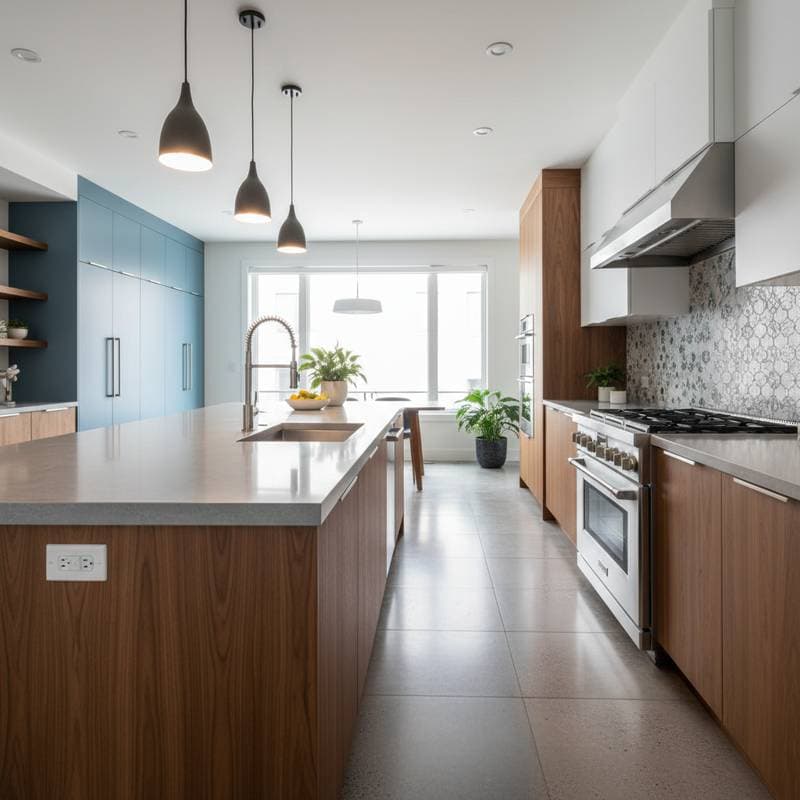
Cabinets represent 25 to 35 percent of a typical kitchen budget and form the structural core of the room. Lower priced units often distort or lose finish after several years of regular use. Quality construction justifies added cost because cabinets endure constant handling, moisture, and temperature shifts.
Select plywood cases paired with solid wood doors for extended service life. Semi custom options supply layout flexibility at a moderate premium over stock units. Choose neutral finishes that resist trends and maintain appeal for decades.
Select Dependable Appliances
Performance appliances influence daily operation and long term utility expenses. Focus spending on the range or cooktop because these items receive the heaviest use. Verify energy ratings and local service availability before purchase because repair costs can offset initial savings.
Energy consultant Dana Patel notes that higher efficiency models frequently recover their price difference through reduced utility charges within the first few years. Warranties and parts support deserve equal attention during selection.
Plan Layered Lighting
Effective illumination determines how the finished kitchen functions and feels. Combine ceiling fixtures for general light, under cabinet strips for work areas, and accent elements for visual depth. Dimmer controls add flexibility and reduce energy consumption during low activity periods.
Lighting designer Rosa Kim observes that even premium surfaces lose impact without proper illumination. Thoughtful placement ensures every zone receives adequate visibility throughout the day.
Engage Professional Guidance
Designers and contractors prevent layout errors, code violations, and incompatible material selections. Their involvement typically offsets fees by avoiding rework on plumbing, electrical, or appliance placement. General contractor Michael Ruiz emphasizes that experienced professionals steer decisions toward practical outcomes rather than fleeting visual trends.
Account for Contingency Expenses
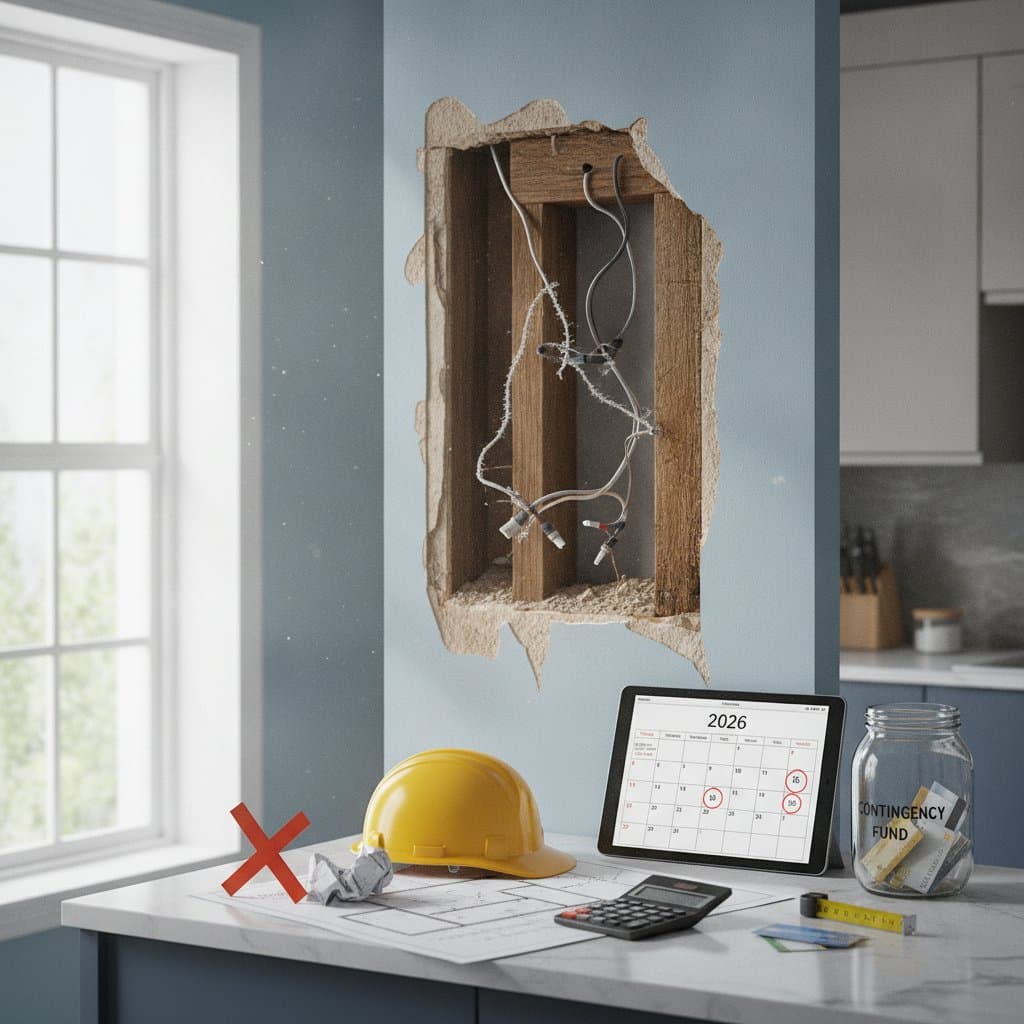
Reserve 10 to 15 percent of the total budget for unforeseen conditions such as outdated wiring or plumbing issues. Track every line item in a weekly updated spreadsheet to identify variances early. Delivery charges, permit fees, and disposal costs accumulate rapidly when omitted from initial projections.
Reduce Spending on Replaceable Elements
Countertops in durable yet mid priced materials such as quartz composites deliver acceptable performance without premium outlay. Standard fixtures and hardware function reliably when chosen for solid construction rather than brand prestige. Simple backsplash patterns installed with basic tile keep visual interest while controlling material and labor expenses. Finishing details completed personally after major construction further trim professional fees.
Execute a Balanced Remodel
Focus expenditures on components that shape daily use and retain value over time. Cabinets, appliances, lighting, and professional oversight improve function and longevity. Countertops, fixtures, and backsplashes allow measured reductions without sacrificing overall quality. This measured approach produces a kitchen that performs well within the intended financial limits.