
Understanding Wet Room Remodel Costs in 2026
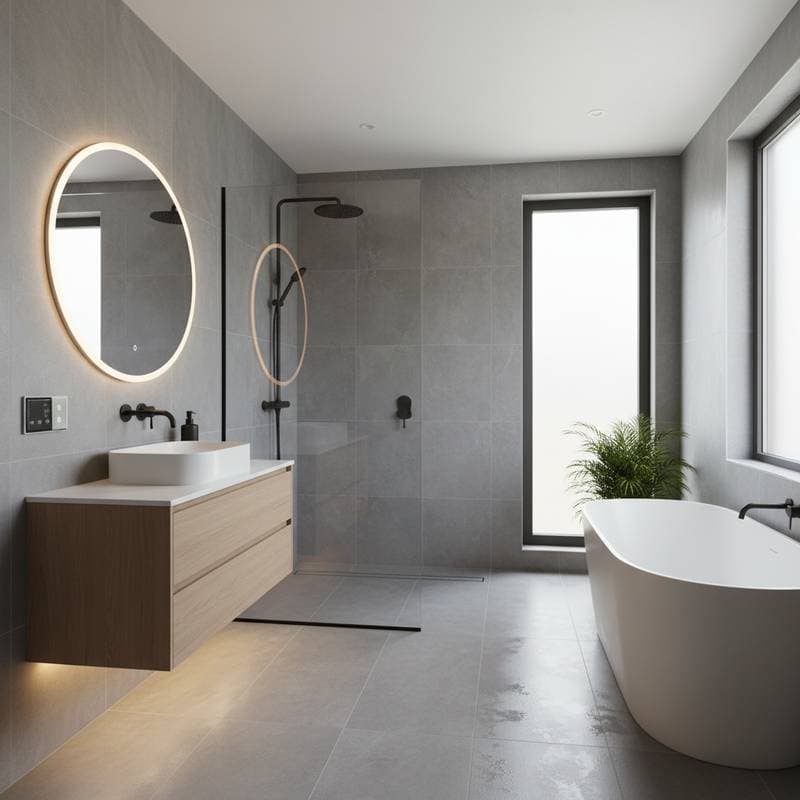
A wet room design integrates the shower area directly into the bathroom floor, creating an open and contemporary space. This setup requires comprehensive waterproofing to prevent moisture damage. Homeowners often underestimate the expenses involved, which can range from $15,000 to $40,000 for a standard 100-square-foot remodel, depending on location and specifications.
Planning begins with assessing the existing structure. Factors such as room size, material quality, and local labor rates significantly influence the total investment. Professional consultation ensures compliance with building codes and avoids costly errors.
Detailed Cost Breakdown
Wet room projects involve multiple components, each contributing to the overall expense. The following sections outline primary categories with estimated 2026 pricing based on national averages.
Waterproofing and Surface Preparation
Waterproofing forms the foundation of any wet room, protecting walls, floors, and ceilings from water infiltration. Installers apply liquid membranes or sheet systems, such as cementitious boards coated with polyurethane, to create a seamless barrier. For a typical 100-square-foot space, expect costs between $3,000 and $6,000, including materials and labor.
Preparation includes establishing a floor slope of 1/4 inch per foot toward the drain to facilitate water flow. Professionals test the system for leaks before proceeding. Skipping this step risks mold growth and structural issues, leading to repairs that exceed initial savings.
Tiling and Surface Finishes
Tiling provides both aesthetic appeal and waterproof protection. Opt for large-format porcelain tiles, which measure 24 by 48 inches and minimize grout lines for easier cleaning. Prices range from $8 to $25 per square foot installed, totaling $2,500 to $5,000 for walls and floors.
Natural stone options like marble add elegance but increase costs to $15 to $40 per square foot due to cutting and sealing requirements. Select slip-resistant finishes for safety, especially in high-traffic areas. Proper installation involves thin-set mortar and epoxy grout to enhance durability.
Drainage and Plumbing Systems
Effective drainage prevents water pooling, requiring a linear or point drain integrated into the floor. Relocating or upgrading pipes adds $1,500 to $4,000, as plumbers must ensure a minimum 2% slope for efficient runoff. In older homes, corroded lines may necessitate full replacement to meet modern flow rates of 2 gallons per minute.
Curbless designs demand precise leveling to maintain accessibility. Hire licensed plumbers to install P-trap drains and ensure connections withstand constant moisture exposure. These elements directly impact functionality and long-term reliability.
Fixtures, Fittings, and Accessories
Select fixtures that complement the wet room's minimalist style. A thermostatic shower valve with multiple heads costs $800 to $2,000, while frameless glass panels range from $1,000 to $3,000 based on size and thickness. Budget-friendly alternatives include fixed chrome heads at $200 to $500.
Incorporate recessed shelving and vanity units designed for wet environments, adding $500 to $1,500. Prioritize corrosion-resistant materials like stainless steel to avoid premature wear. These choices balance luxury with practicality.
Labor and Additional Professional Services
Skilled labor constitutes 40 to 60 percent of the total cost, averaging $100 to $200 per hour for certified installers. A full remodel requires coordination among tilers, plumbers, and electricians, extending the project timeline to 4 to 6 weeks.
Electricians handle underfloor heating mats, priced at $10 to $15 per square foot, or LED lighting systems at $500 to $1,500. Verify contractor credentials through local licensing boards to ensure quality workmanship and warranty coverage.
Overlooked Expenses in Wet Room Projects
Beyond core elements, several factors can inflate budgets unexpectedly. Structural reinforcements, such as adding joist supports for heavy tiles, cost $1,000 to $3,000. Enhanced ventilation systems, including humidity-sensing fans rated at 100 CFM, add $400 to $800 to combat condensation.
Underfloor heating accelerates drying and improves comfort, with installation fees of $1,200 to $2,500. Accessibility modifications like fold-down grab bars or textured flooring surfaces range from $300 to $1,000, promoting safety for aging-in-place designs.
Permitting and inspections, often $200 to $500, ensure code adherence. Allocate a 10 to 15 percent contingency fund for these variables to maintain financial control.
Strategies for Cost Management
Prioritize waterproofing and drainage as non-negotiable investments to safeguard the project's integrity. Source materials from wholesale suppliers to reduce tile and fixture expenses by 20 to 30 percent. Compare quotes from at least three contractors, focusing on those with wet room specialization.
Minimize layout changes by aligning new drains with existing plumbing lines, potentially saving $2,000 to $5,000. Tile only essential areas, such as up to 4 feet on walls, and use waterproof paint above for a cohesive look at lower cost.
Schedule work during off-peak seasons for labor discounts. These approaches deliver a professional outcome while aligning with budget constraints.
Maintaining Your Wet Room for Longevity
Regular upkeep preserves the investment and functionality of a wet room. Clean surfaces weekly with pH-neutral solutions to prevent residue buildup. Inspect seals and grout annually, reapplying silicone caulk as needed to block moisture entry.
Clear drains monthly using enzyme cleaners to avoid clogs from soap and hair. Test the extractor fan quarterly to confirm optimal performance, replacing filters every six months. These habits extend the lifespan beyond 20 years and minimize repair needs.
A well-maintained wet room enhances daily routines with its spacious, efficient design. The result justifies the planning and expense through enduring comfort and value.