Walk-In Shower vs Tub: Which Boosts Home Value More
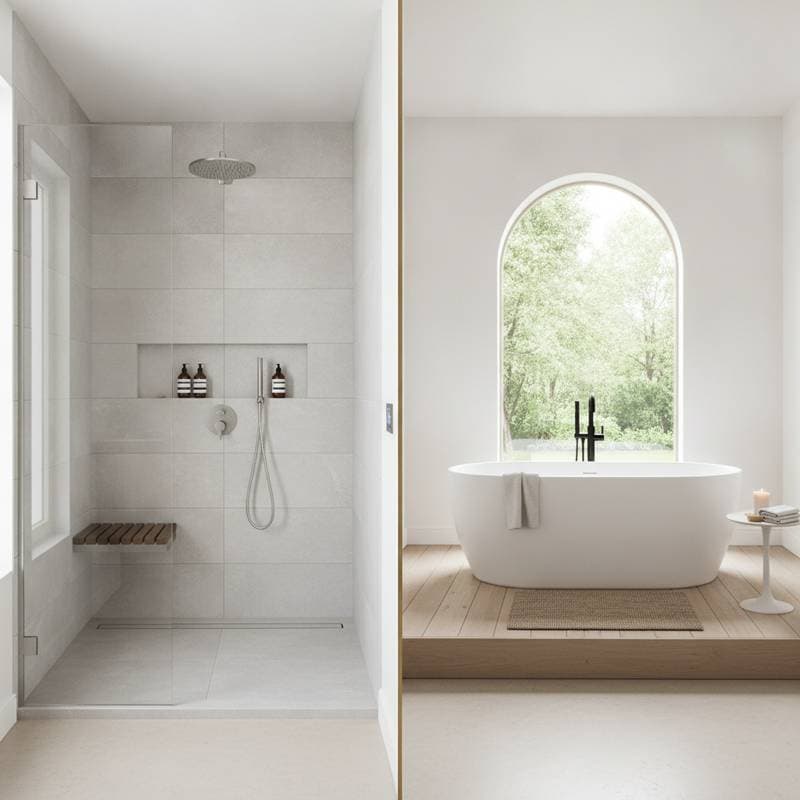
Bathroom design trends shift often. One debate remains constant. Should you keep a bathtub or convert it to a walk-in shower? Homeowners want comfort, convenience, and resale value. These goals sometimes pull in different directions. Sound design principles can help you decide what works best for your home and your market.
Below are eight professional rules that guide this decision. They draw from years of real renovation experience and client results.
1. Assess Household Needs First
Identify who uses the bathroom most often. Families with young children benefit from a tub for baths. Aging adults or single occupants gain more from a walk-in shower. Map daily routines before any design work begins. This step prevents costly changes later.
2. Evaluate Accessibility Early
Tubs create barriers for anyone with mobility challenges. Aging homeowners or guests with limited movement often struggle with tall tub walls. A curbless shower with slip-resistant tile creates safer access. Use a 1/8-inch-per-foot slope for proper drainage and a linear drain along one wall. Safety improves. The bathroom feels larger and more open.
3. Consider Local Market Preferences
Research buyer expectations in your neighborhood. Urban markets often favor modern showers. Suburban areas still value tubs for families. Check recent sales data from comparable homes. Align your choice with what local buyers seek.
4. Compare Conversion Costs and ROI
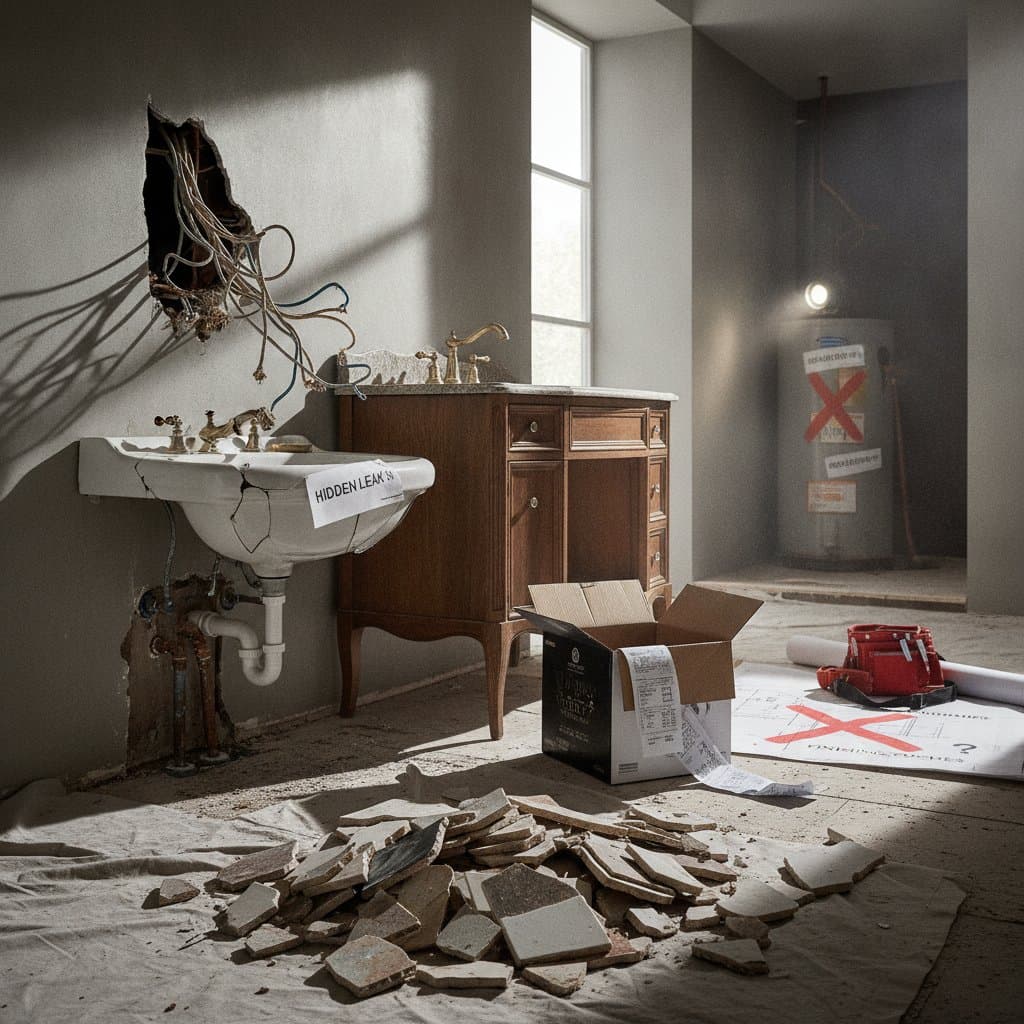
Homeowners underestimate the cost difference between tub replacement and full conversion. A tub replacement may cost less upfront than a full shower rebuild. Budget for demolition, waterproofing, new tile, and plumbing adjustments before committing. Expect a walk-in shower conversion to cost 25 to 50 percent more than a basic tub swap. You make a realistic investment that avoids overspending for minimal return.
5. Integrate Storage Solutions
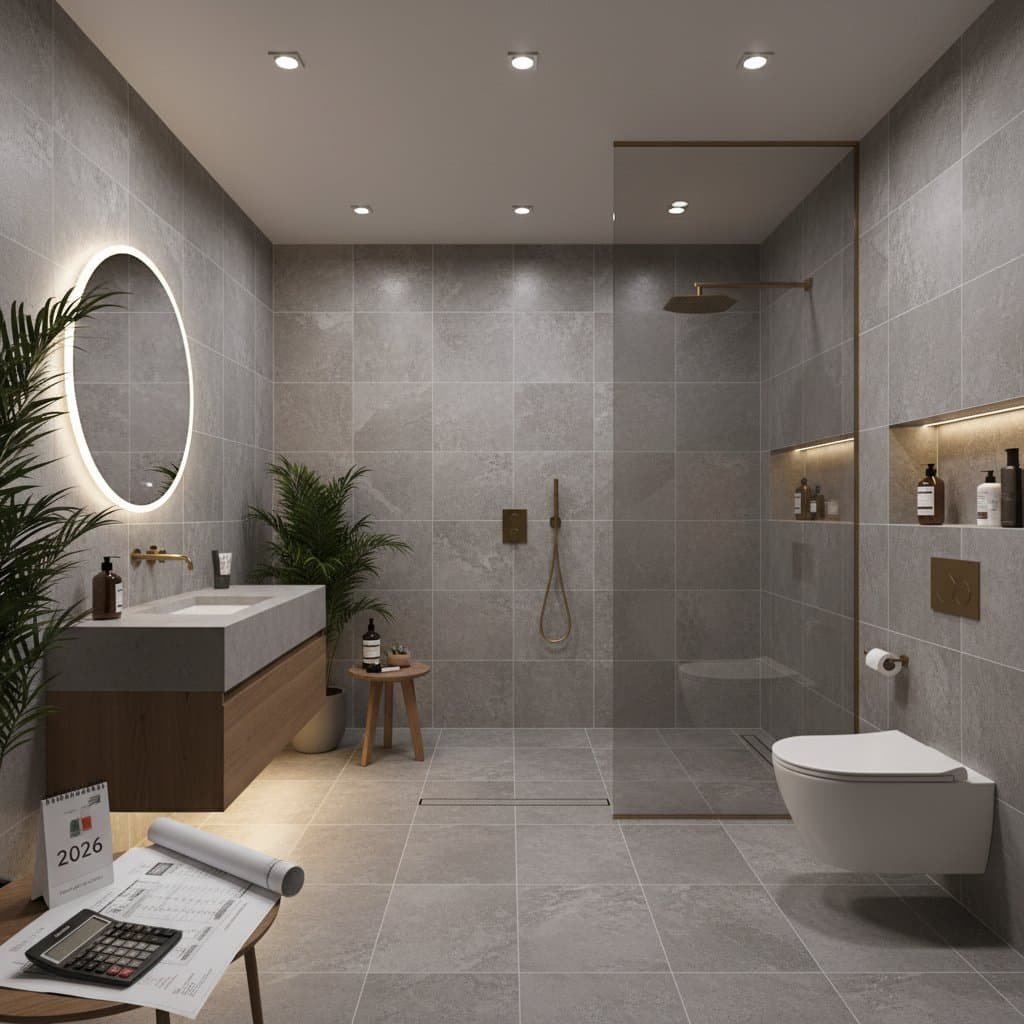
Showers need built-in niches for bottles and accessories. Tubs require space for bath products nearby. Plan recessed shelves during the design phase. This keeps surfaces clear and maintains a clean look that appeals to buyers.
6. Choose Surfaces That Last
Cheap materials reduce both comfort and resale value. Flimsy acrylic panels or thin tile may chip or yellow over time. Select porcelain tile or solid-surface panels that resist staining and are easy to clean. Look for tiles with a water absorption rate below 0.5 percent for long life. The finish stays fresh for years. It maintains that new-home appeal.
7. Optimize Lighting and Ventilation
Good lighting makes any bathroom feel larger. Add layered fixtures above the shower and near mirrors. Install a quiet exhaust fan to control moisture. Proper ventilation protects tile and fixtures from mold. These details support long-term satisfaction.
8. Plan for Maintenance and Longevity
Complex shower systems with multiple heads increase cleaning and repair needs. Busy homeowners prefer simple systems that stay reliable. Choose quality fixtures with replaceable cartridges and minimal grout lines. Silicone-sealed joints last longer than grout in corner seams. Lower upkeep supports lasting value and everyday satisfaction.
Making the Final Decision
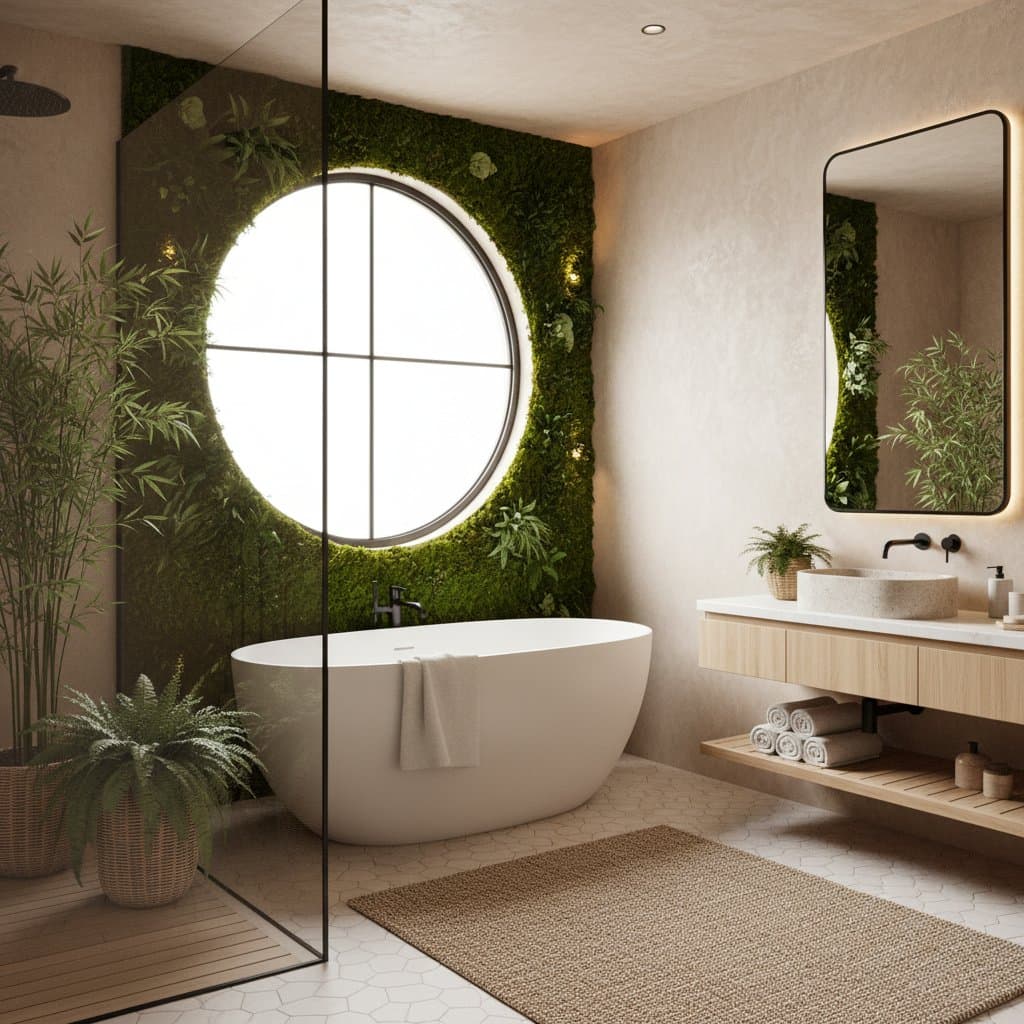
Whether you prefer a relaxing soak or a sleek open shower, the best choice depends on household members and your timeline in the home. A well-built walk-in shower can raise appeal through accessibility and modern design. Keeping at least one tub preserves family-friendly value. When function leads and materials support it, both options deliver a strong return without compromising comfort or durability.