
Why 62 Percent of Wet Room Remodels Go Over Budget
Transforming a standard bath into a sleek wet room demands precision, waterproofing expertise, and disciplined budgeting. With 2026 remodels averaging between 28000 dollars and 65000 dollars, labor and materials drive most costs. Homeowners can manage expenses, avoid hidden pitfalls, and maximize long-term value through smart planning, value engineering, and professional oversight.
2026 Cost Breakdown for Wet Room Bathroom Remodel
Fewer than 38 percent of bathroom remodels stay on budget. The biggest culprit is scope creep, where a standard shower upgrade suddenly becomes a full wet room conversion. Wet rooms are visually seamless and accessible, but they require precise waterproofing, drainage planning, and higher end materials. Understanding the full cost structure before starting protects the budget.
Identifying the Real Cost Drivers
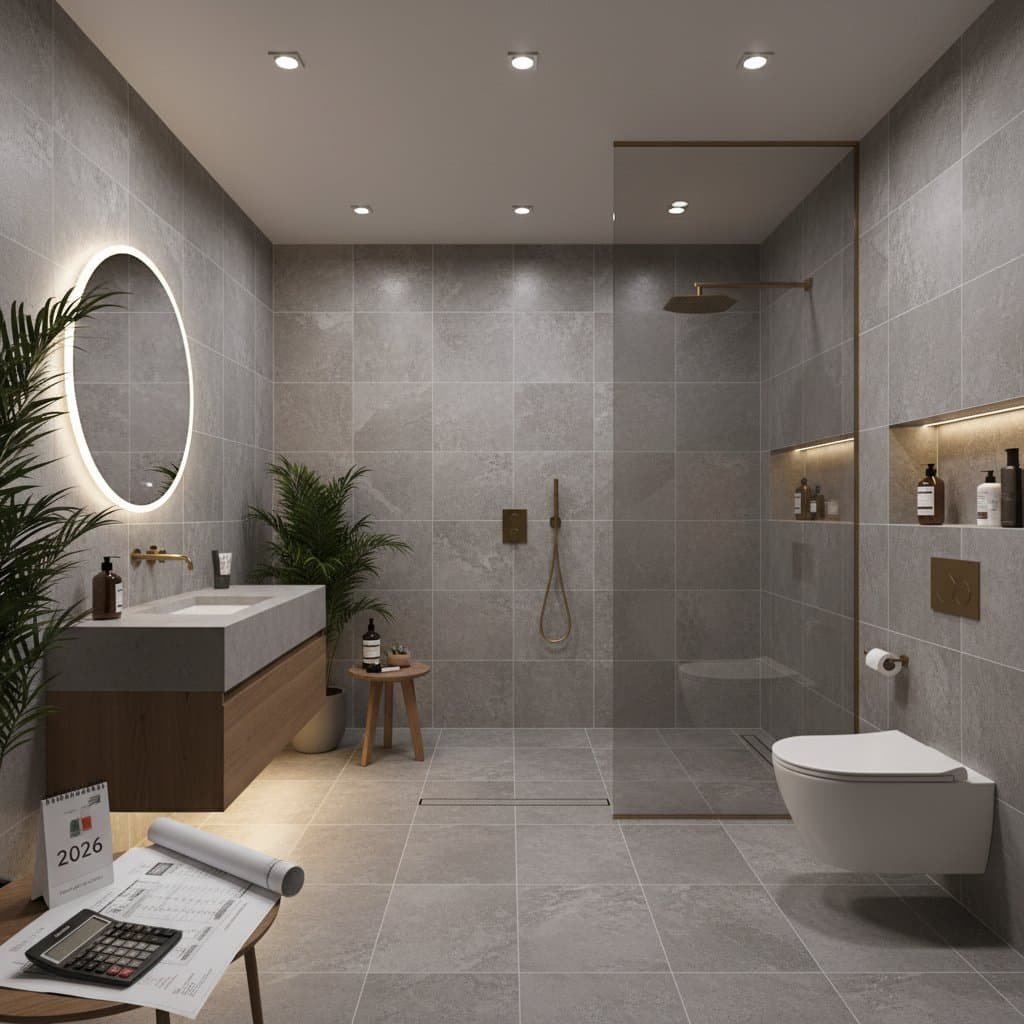
A wet room remodel eliminates the shower curb and integrates the entire bathroom floor into a single waterproof plane. This design looks minimal, but behind the clean lines is a complex system of membranes, slopes, and drains. The major cost drivers include waterproofing systems that seal the floors and walls, linear or central drains with precision sloping, tile and flooring materials suited for full wet exposure, plumbing and ventilation upgrades to handle moisture, and professional installation labor that meets code and warranty requirements.
A midrange wet room remodel averages between 28000 dollars and 42000 dollars. Luxury projects with custom tile and fixtures can exceed 65000 dollars. The waterproofing and drainage alone can account for 15 to 20 percent of total costs.
Why Labor Matters Most
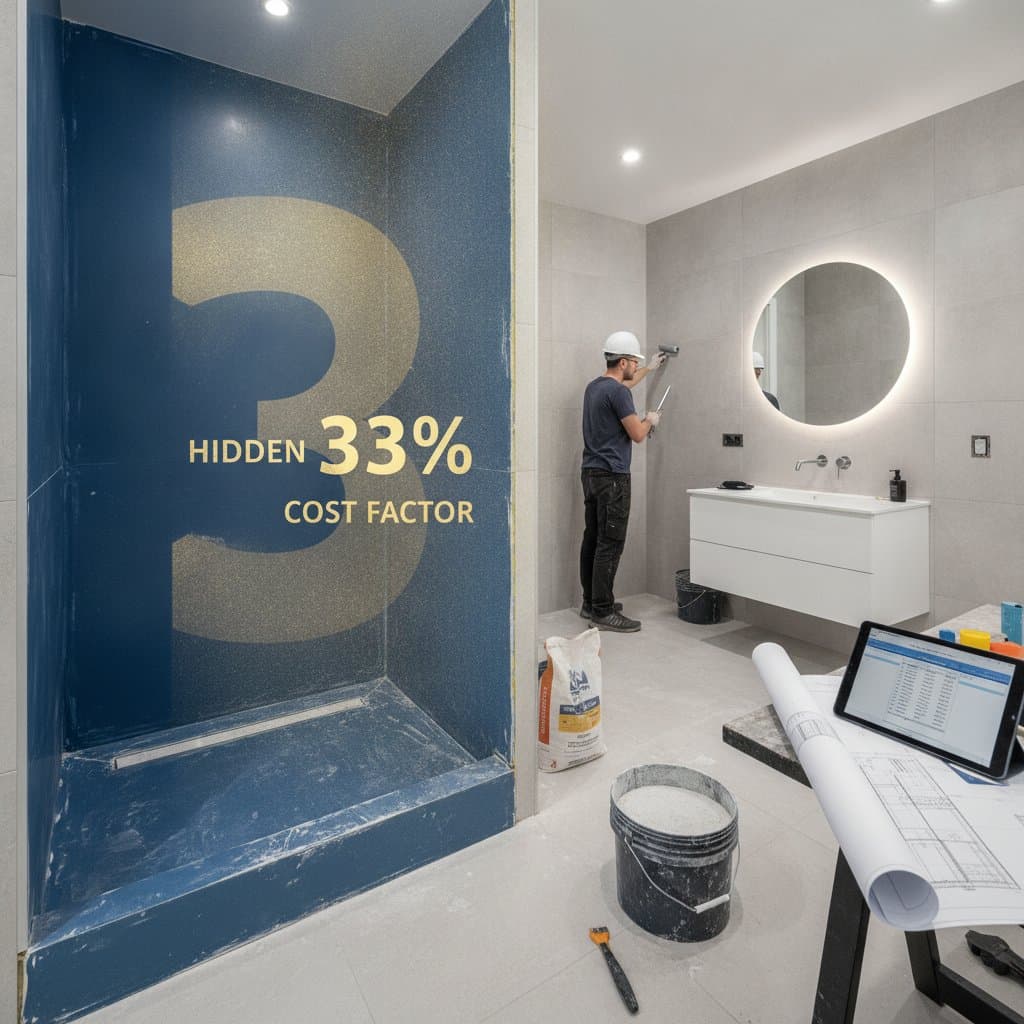
Labor drives nearly 55 percent of total wet room costs. Unlike a standard bathroom, a wet room requires specialists trained in waterproofing techniques and slope grading. A small error can lead to leaks that compromise subflooring or structural framing.
Waterproofing is not a DIY learning experience. Homeowners often underestimate the technical details of drain placement, which can add thousands to repair costs if done incorrectly. Expect to allocate between 120 dollars and 180 dollars per square foot for professional installation. This includes demolition, plumbing rerouting, subfloor reinforcement, waterproof membrane installation, and tile setting.
Step by Step Cost Breakdown
A transparent cost map helps homeowners prioritize spending. The following breakdown applies to a mid size bathroom project of roughly 60 square feet.
| Category | Estimated Cost Range | Percentage of Budget |
|---|---|---|
| Demolition and disposal | 1200 dollars to 2000 dollars | 5 percent |
| Waterproofing system | 3500 dollars to 6000 dollars | 15 percent |
| Drainage and plumbing | 2500 dollars to 4500 dollars | 10 percent |
| Tile and materials | 5000 dollars to 9000 dollars | 20 percent |
| Fixtures and fittings | 3000 dollars to 6500 dollars | 15 percent |
| Labor and installation | 8000 dollars to 14000 dollars | 35 percent |
This structure highlights how easily the budget can swell if premium tile or imported fixtures are selected. The balance between visual appeal and functional durability is where financial discipline must hold firm.
Managing Costs Through Value Engineering
Value engineering means adjusting materials and specifications to maintain design intent while reducing cost. For wet rooms this can involve choosing porcelain tile over natural stone to cut tile cost by up to 35 percent, using pre formed shower bases rather than full mortar beds to save labor hours, selecting a single drain type instead of multiple points, and integrating smart ventilation systems early in design to avoid retrofit expenses.
Clients often think waterproofing is where they can save, but the smarter savings come from tile and fixture selections. Spend on waterproofing and save on finishes.
Hidden Costs to Anticipate
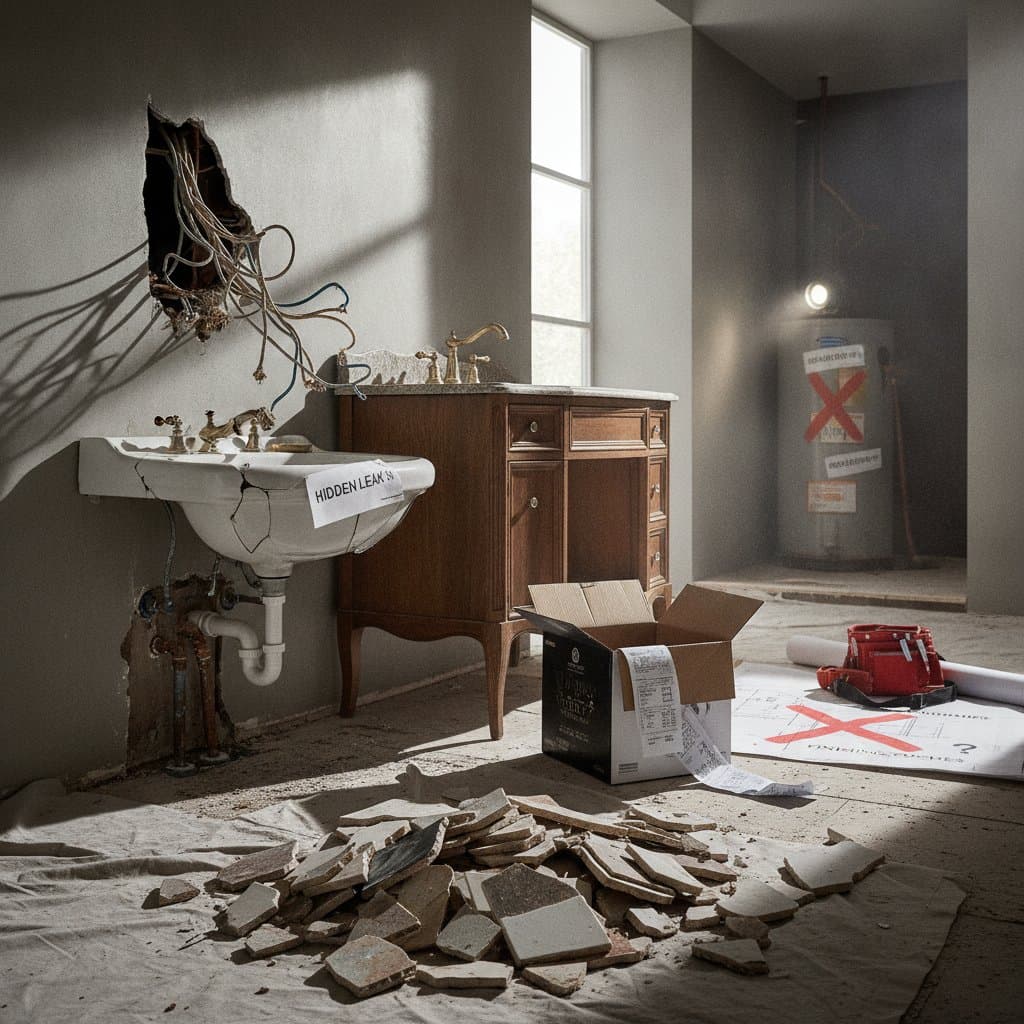
Even with careful planning, wet room remodels carry hidden expenses that can derail the budget if not addressed upfront. Common examples include subfloor reinforcement when existing joists cannot support tile and slope weight, drain relocation when plumbing lines need rerouting, electrical upgrades for underfloor heating or moisture rated lighting, and ventilation improvements for humidity control.
These items can add 10 to 15 percent to total cost. Including a 15 percent contingency in the initial budget is a smart safeguard against mid project surprises.
Professional Resource Checklist
Before hiring, confirm key credentials and references. Use this checklist to ensure cost transparency and accountability.
- Request detailed line item estimates that separate materials, labor, and contingencies.
- Verify waterproofing certifications such as Schluter or Wedi installer credentials.
- Ask for warranty terms on both labor and waterproofing materials.
- Confirm project supervision to ensure quality control and timeline adherence.
- Review project insurance to protect against water damage claims.
Engaging a licensed general contractor with wet room experience prevents miscommunication between trades. Seek firms that provide both design and construction management so cost control remains consistent from design to completion.
Regional Market Variations
Wet room remodel costs fluctuate based on local labor rates and material availability. Coastal markets with higher humidity typically require more advanced ventilation systems, raising mechanical expenses. In urban centers, tile labor can cost up to 25 percent more due to unionized trades and project permitting requirements. Suburban markets may offer lower installation rates but higher material shipping fees.
Long Term Value and Maintenance
A well built wet room can enhance home resale value by 8 to 10 percent. Buyers appreciate accessibility, easy cleaning, and modern aesthetics. Maintenance is minimal if the waterproofing system remains intact.
Turning Vision Into Reality
Turning a wet room vision into a financially sound project requires disciplined planning and professional oversight. Start by defining a clear budget ceiling, then allocate funds across demolition, waterproofing, plumbing, and finishes. When managed with precision, a wet room remodel becomes a long term investment that adds value, function, and comfort.