

Why Wet Rooms Are Gaining Popularity in Modern Bathrooms
Wet rooms create seamless, fully waterproof bathroom spaces that combine accessibility with streamlined design. They eliminate shower trays and raised thresholds to produce continuous floor surfaces that improve safety and visual openness. Homeowners increasingly choose this layout for its low maintenance requirements and ability to increase perceived room size.
Design Advantages of Curbless Showers
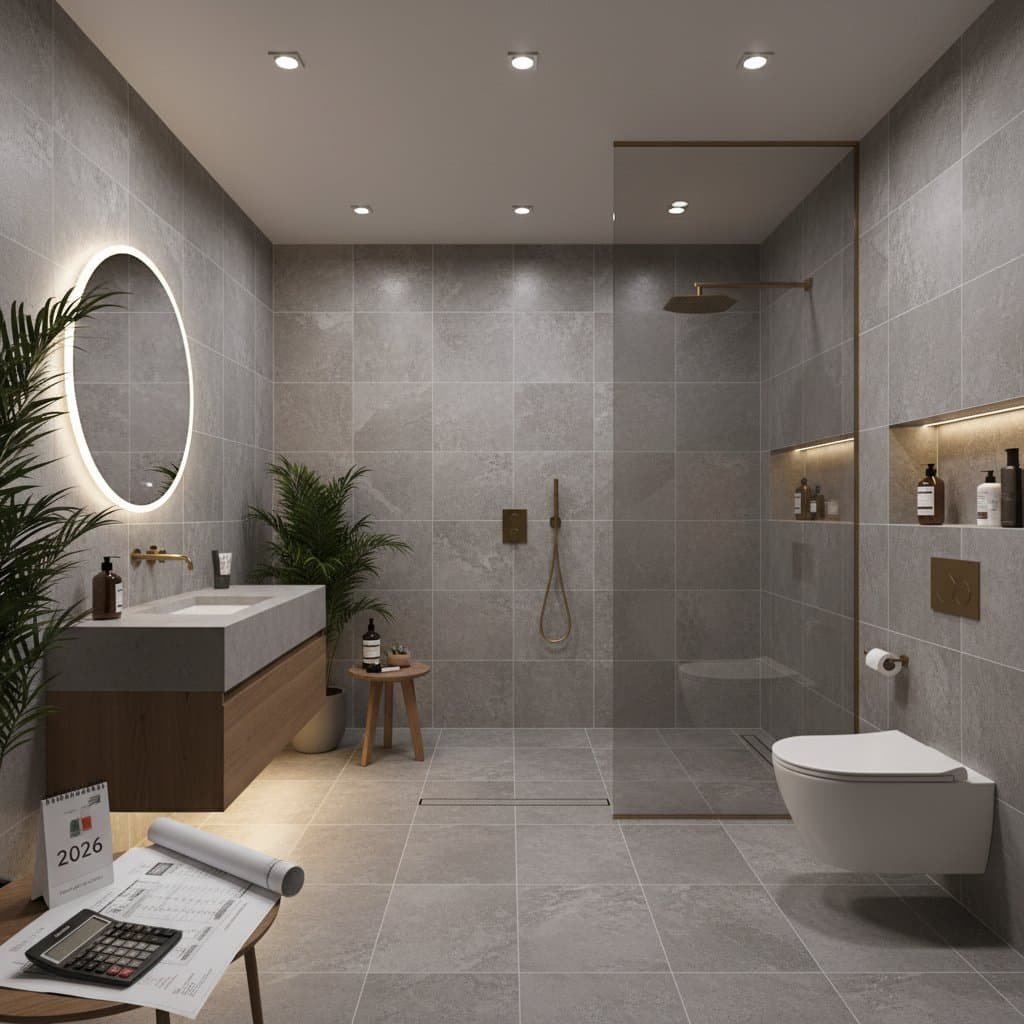
A curbless configuration removes physical barriers so the shower area merges directly with the rest of the bathroom floor. This approach reduces trip hazards and simplifies cleaning by eliminating grout lines that trap debris. Install non-slip tiles rated for wet areas and maintain a consistent 1:40 drainage slope across the entire floor to direct water efficiently toward the drain.
Large format tiles or microcement finishes further enhance the sense of spaciousness while supporting underfloor heating systems. Concealed linear drains paired with rainfall showerheads produce a spa atmosphere without visible hardware. Position towel storage outside the primary splash zone and install a high capacity extractor fan to control moisture and prevent surface condensation.
Essential Waterproofing Practices
Effective waterproofing begins with a continuous membrane applied to floors and walls before tiling. All junctions around pipes, drains, and corners require additional sealing to prevent moisture migration into the subfloor. Professional installation ensures correct gradient formation and membrane integrity, avoiding future repairs that often exceed initial project costs.
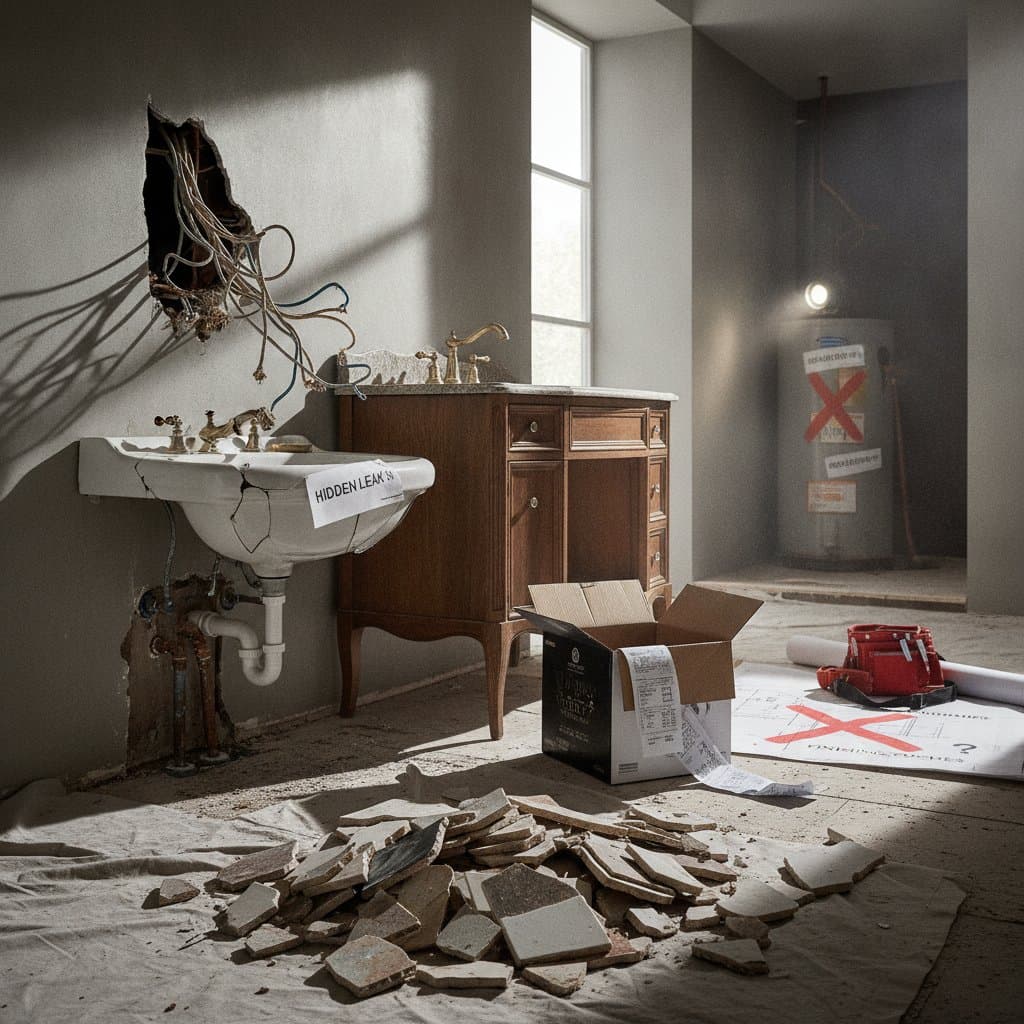
Homeowners who attempt full wet room construction without specialized experience frequently encounter leaks that necessitate complete removal of finishes. Engage certified tilers familiar with liquid or sheet membrane systems to verify compliance with local building standards before proceeding.
Optimizing Space and Daily Use
Wet rooms suit both compact ensuites and larger family bathrooms by removing visual interruptions that fragment the layout. Families benefit from unrestricted floor access that accommodates multiple users and reduces water escape beyond the shower zone. A quick pass with a squeegee after each use keeps surfaces dry and limits mold formation.
Plan ventilation paths early so moist air exits the room rather than migrating into adjacent spaces. Underfloor heating accelerates drying times and improves comfort during colder months. Allocate space for a built in bench or niche storage to maintain functionality without introducing freestanding furniture that collects moisture.
Cost Considerations and Value Addition
Primary expenses arise from waterproofing membranes, drainage assemblies, and labor rather than decorative finishes. Simple rectangular layouts with standard sized tiles keep material costs predictable while still delivering a high end appearance. Converting an existing small bathroom often requires fewer pipe relocations than larger projects, which helps control overall spending.
A completed wet room typically increases property appeal through improved accessibility and reduced long term maintenance. The design supports aging in place requirements and appeals to buyers seeking contemporary finishes without ornate fixtures.
Maintenance and Long Term Benefits
Daily care consists of squeegeeing surfaces and running the extractor fan for ten minutes after showers. Periodic inspection of grout and sealant joints prevents minor issues from developing into structural concerns. The absence of a shower tray removes a common site for soap residue buildup and simplifies floor cleaning routines.
Wet rooms deliver consistent performance across household types by prioritizing durable surfaces and efficient water management. The resulting space supports both quick morning routines and extended relaxation without the operational drawbacks of traditional enclosures.