
Waterproofing Strategies to Reduce Wet Room Costs
A wet room offers an appealing open design with seamless integration of shower and bathing areas, creating a spa-like atmosphere at home. However, effective waterproofing proves essential to prevent leaks and structural damage. Proper techniques ensure durability while controlling expenses, avoiding the pitfalls of inadequate protection.
Waterproofing forms the foundation of a successful wet room installation. It confines moisture to the intended areas, safeguarding the building's integrity. This guide outlines practical strategies to achieve reliable waterproofing without excessive costs, drawing from common challenges and proven solutions.
Understanding the Core of Waterproofing
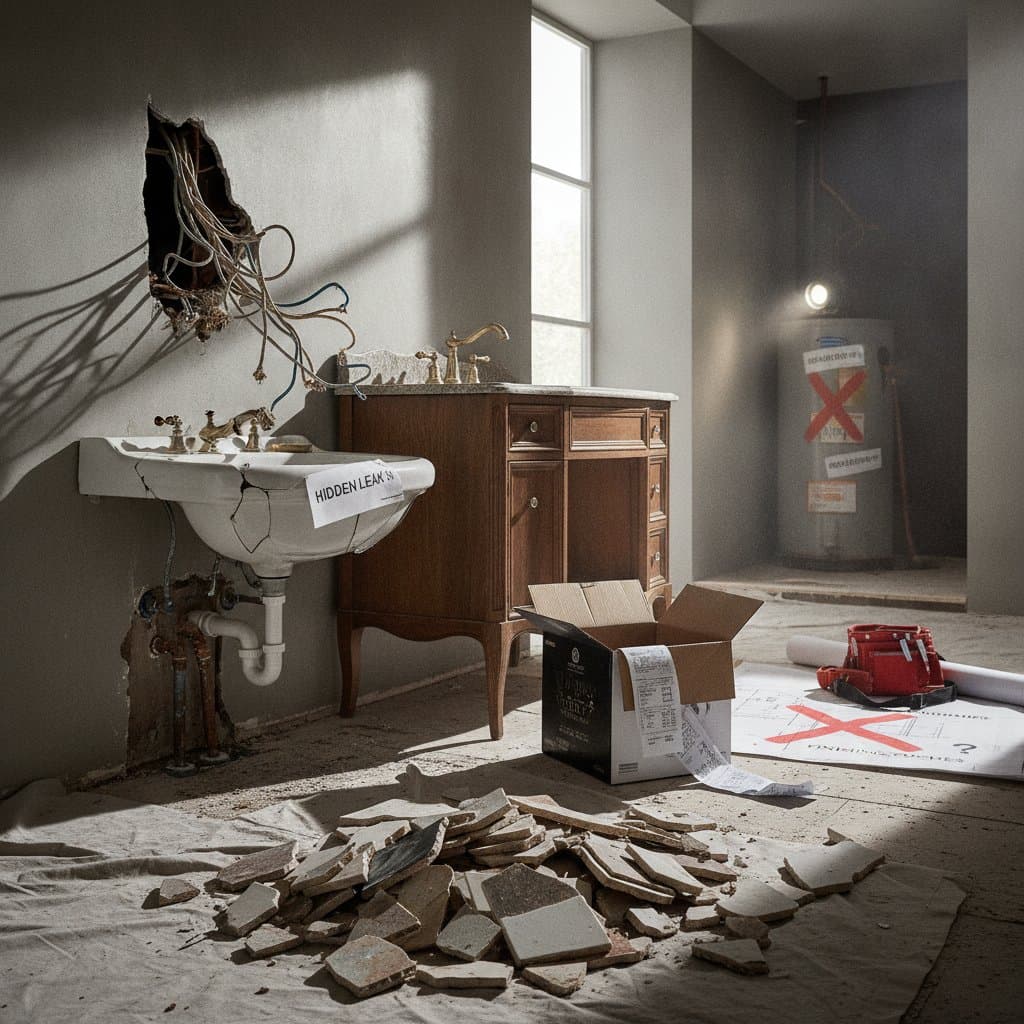
Waterproofing serves as the invisible barrier that protects walls, floors, and surrounding structures from water infiltration. In a wet room, where water flows freely across surfaces, this layer prevents moisture from seeping into substrates like timber or plasterboard. Failure here leads to mold growth, costly repairs, and diminished property value.
The system typically involves applying membranes, sealants, and coatings to create a watertight enclosure. These materials bond to the substrate and overlap at joints to form a continuous seal. Selecting compatible products ensures long-term performance, with warranties often covering 10 to 25 years when installed correctly.
Designing for Efficient Water Flow
Effective waterproofing begins with proper floor sloping to direct water toward the drain. Installers recommend a 1 to 2 percent gradient, calculated as 10 to 20 millimeters of fall per meter of floor length. This subtle incline facilitates drainage without compromising aesthetics or safety.
Measure and mark the slope using a laser level before laying the substrate. Adjust the screed or backer board to achieve the desired pitch, ensuring the highest point remains near the entrance. Testing with water during construction confirms the flow, preventing standing water that could undermine seals.
Selecting and Applying Membranes
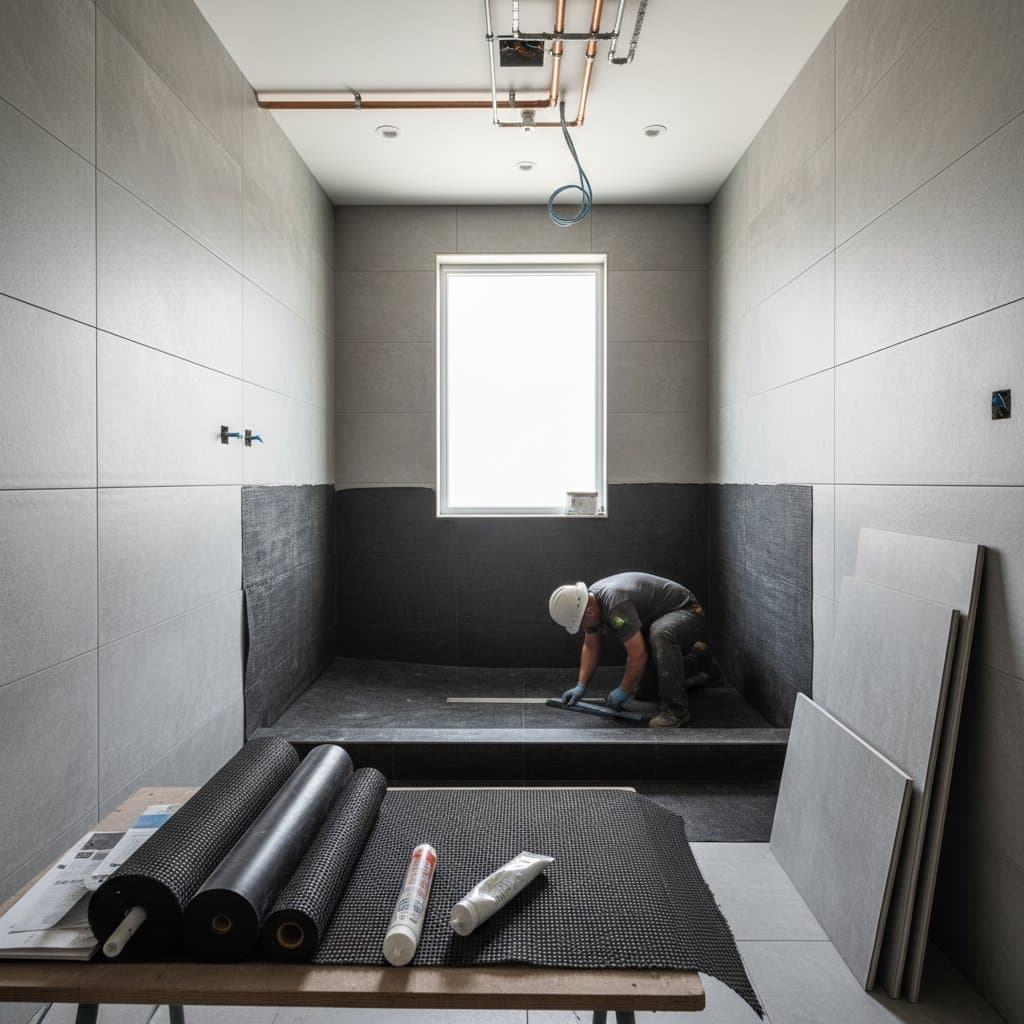
Membranes provide the primary defense against water penetration, available in sheet and liquid forms. Sheet membranes, such as butyl rubber or PVC rolls, offer robust protection and ease of installation over large areas. Cut them to fit, apply adhesive to the substrate, and overlap seams by at least 50 millimeters, sealing with compatible tape.
Liquid membranes, including polyurethane or cementitious formulations, suit irregular surfaces and DIY applications. Apply in multiple coats using a roller or brush, achieving a minimum thickness of 1 to 2 millimeters. Allow curing time between layers as specified by the manufacturer, typically 24 hours, to develop full impermeability.
Test membrane integrity by flooding the area with 25 millimeters of water for 24 hours after curing. Monitor for leaks at edges and corners, addressing any issues before proceeding to tiling. This step identifies weaknesses early, saving significant remediation costs later.
Reinforcing Vulnerable Areas
Corners, joints, and transitions represent high-risk zones for water ingress due to movement and stress. Use pre-formed waterproof corner pieces or flexible sealant bands at internal angles, embedding them into the wet adhesive layer. These components accommodate minor building shifts without cracking.
For joints between walls and floors, apply a reinforced sealant strip that bridges the gap. Press it firmly into place and cover with membrane material for complete encapsulation. Regular inspections during installation ensure no gaps remain.
Regarding silicone sealants, apply them sparingly around fixtures and penetrations after tiling. Choose a high-quality, mold-resistant formula rated for wet environments. Tool the bead to a smooth 45-degree angle for optimal adhesion and aesthetics, reapplying every 12 to 18 months as needed.
Optimizing Drainage Systems
A well-designed drain anchors the waterproofing system, efficiently removing water to minimize exposure time. Position linear drains along the wall for even sloping across the floor, reducing the need for complex gradients. Central drains require a conical slope, with the lowest point exactly at the grate.
Seal the drain flange to the membrane using a waterproof collar or silicone gasket, ensuring a flush fit with the substrate. Secure all connections with mechanical fixings and test under pressure to verify no backflow occurs. Choose stainless steel or polymer grates for corrosion resistance and easy cleaning.
Schedule monthly maintenance to clear debris, using a drain snake or enzymatic cleaner. This practice prevents backups that could pressure-test the waterproofing prematurely.
Choosing Compatible Surface Materials
Tile selection influences waterproofing effectiveness and safety. Porcelain tiles, with absorption rates under 0.5 percent, resist water uptake and suit both floors and walls. Seal natural stone tiles with impregnating sealers before and after installation, reapplying annually to maintain protection.
Prioritize slip-resistant options for floors, verified by a pendulum test value of 36 or higher. Textured or matte finishes provide traction without sacrificing style. For walls, larger format tiles minimize grout joints, which serve as potential moisture entry points.
Use epoxy or cement-based grouts enhanced with waterproof additives. These formulations flex slightly with temperature changes, reducing crack formation. Clean grout lines weekly with a mild vinegar solution to inhibit mold.
Weighing Professional Installation
While DIY appeals for cost savings, waterproofing demands precision that novices often overlook. Professionals employ moisture meters and flood tests to validate installations, adhering to building codes like those requiring a 100 percent barrier. Their experience minimizes errors such as insufficient overlaps or uneven application.
Budget for certified installers through organizations like the Tile Council of North America. Initial costs range from 20 to 50 percent higher than DIY, but they avert repair bills that can exceed the original project expense. Document the work with photos and receipts for insurance purposes.
Cost-Effective Planning Tips
Strategic decisions keep wet room projects affordable while upholding waterproofing standards. Early layout planning avoids relocating plumbing, which can add thousands to the budget. Opt for integrated shower bases that incorporate pre-applied membranes, streamlining installation.
Source materials from reputable suppliers, comparing specifications rather than prices alone. Bulk purchases of membranes reduce per-unit costs, and off-season timing may yield discounts. Delegate non-specialized tasks, such as surface preparation, to save on labor.
Obtain at least three detailed quotes, specifying materials and testing protocols. Negotiate inclusions like extended warranties to enhance value.
Ensuring Long-Term Performance
Post-installation care sustains the waterproofing system's efficacy. Inspect seals quarterly for cracks or separation, reapplying silicone as preventive maintenance. Operate exhaust fans during and after use to control humidity levels below 60 percent.
Annual professional inspections detect subtle issues before they escalate. This routine preserves the investment, allowing enjoyment of the space with confidence.
Implementing Your Wet Room Project
Commence with consultations from qualified contractors to assess your space and recommend tailored waterproofing solutions. Specify requirements for membranes, slopes, and testing in contracts. Verify completion through independent water tests before final payments, securing a durable, cost-efficient wet room.