
Transform Your Bathroom with 2025 Wet Room Waterproofing
A wet room offers the appeal of open, seamless showers and a spa-inspired atmosphere. Many homeowners envision this upgrade but encounter challenges with waterproofing and installation. With current advancements, achieving a functional and stylish wet room becomes feasible.
Waterproofing forms the foundation of any successful wet room. Proper systems prevent water damage while allowing creative design freedom. This article examines essential components, selection criteria, and practical steps to realize your vision.
Understanding Waterproofing Membranes
Waterproofing membranes serve as the critical barrier that directs water away from vulnerable areas. These layers protect subfloors and walls from moisture infiltration, which can lead to mold growth or structural issues over time.
Traditional methods involved liquid coatings or basic sheet materials that demanded precise application. Errors in coverage often resulted in failures. Contemporary membranes, however, feature enhanced flexibility and adhesion properties.
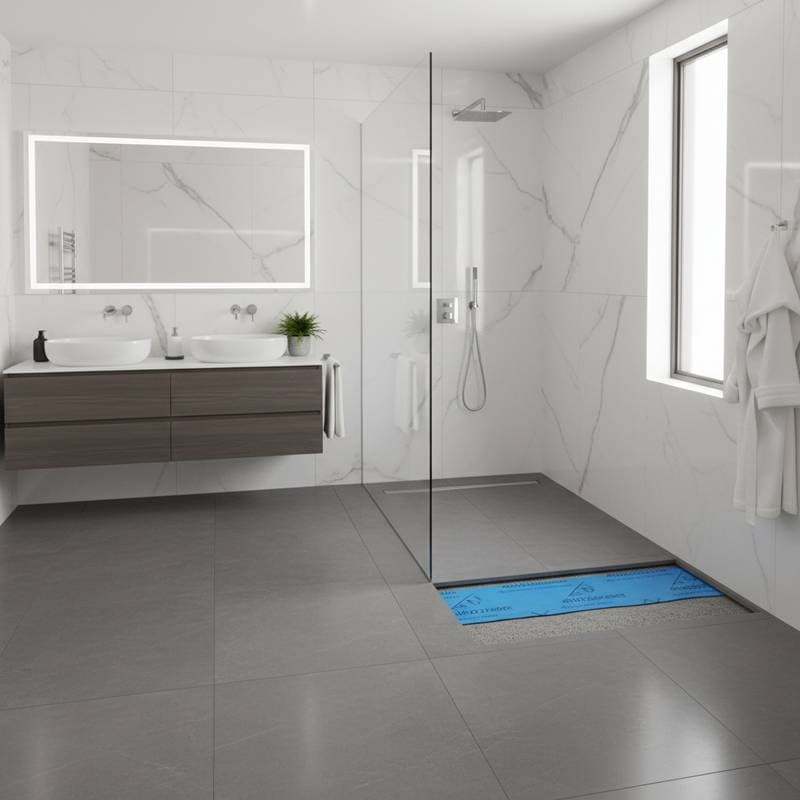
Flexible sheet membranes bond securely to substrates and integrate with tile adhesives. They accommodate building movements and include prefabricated elements for drains and corners, which simplify installation. For homes with bathrooms over living areas, select systems certified for load-bearing applications to ensure long-term reliability.
Selecting the Appropriate Waterproofing System
The choice of waterproofing system varies based on bathroom dimensions, subfloor type, and usage patterns. Consider factors such as water exposure levels and integration with other features like heating.
Key options include the following:
-
Sheet Membranes versus Liquid Membranes
Sheet membranes offer uniform thickness and rapid application, making them suitable for flat surfaces. Liquid membranes adapt to uneven areas, such as around fixtures, but require multiple coats for full coverage. -
Drain Configurations
Linear drains provide a sleek, contemporary appearance and efficient water flow in expansive shower zones. Point drains conserve space in compact layouts and connect directly to membrane seals for optimal performance. -
Subfloor Compatibility
Flexible membranes suit timber subfloors to handle natural expansion and contraction. Rigid options work well on concrete bases, but always verify load ratings to avoid future cracking. -
Integration with Underfloor Heating
Compatible heating mats install beneath the membrane to deliver even warmth. Position elements carefully and test the system prior to membrane application to prevent voids or overheating risks.
Balance these elements to align with your budget and aesthetic goals. Consult specifications from manufacturers to confirm compatibility across components.
Integrating Design Elements with Waterproofing
Effective waterproofing enables bold design choices that enhance usability and ambiance. Focus on materials and features that complement the system's performance.
Recommended selections include:
-
Tile Materials: Opt for porcelain tiles due to their low water absorption rates, which resist staining and slippage. Natural stone requires annual sealing applications to maintain integrity in high-moisture environments.
-
Grout Types: Epoxy grouts provide superior water resistance and durability compared to cement-based alternatives. Apply them evenly to joints less than 3 millimeters wide for seamless protection.
-
Lighting Solutions: Install recessed LED fixtures to create ambient illumination that highlights textures without glare. Position lights above vanities for task-oriented clarity during routines.
-
Storage Integration: Incorporate wall-mounted niches or floating shelves to organize essentials while preserving an open aesthetic. Ensure these features align with membrane edges to avoid water traps.
-
Enclosure Options: Frameless glass panels direct splashes effectively in open layouts. For households with children, extend panels to 200 centimeters in height to contain overspray.
These choices foster a serene environment where functionality meets elegance. The underlying waterproofing ensures that design elements endure daily use.
Maintaining Your Wet Room
After installation, routine care preserves the wet room's performance and appearance. Regular attention to key areas prevents common issues and extends the lifespan of materials.
Clear drains monthly to remove debris, particularly hair or soap residue, using a fine mesh strainer for prevention. Clean glass surfaces with a microfiber cloth and mild vinegar solution to eliminate spots without harsh chemicals.
Inspect seals and grouts quarterly for early signs of wear, such as discoloration or softening. High-quality membranes minimize maintenance needs, allowing focus on enjoyment rather than repairs.
Over time, the absence of traditional shower curbs simplifies cleaning to a single mopping session. This efficiency contributes to a sense of calm and control in a busy household.
Steps to Implement Your Wet Room Project
Initiate your project by evaluating the existing bathroom structure and consulting certified professionals. Review membrane options and obtain samples to assess suitability for your space.
Plan the layout to accommodate family needs, such as accessible entry points or additional storage. Allocate budget for quality materials, aiming for 20 percent contingency to cover unforeseen adjustments.
During renovation, protect adjacent areas from dust and moisture with temporary barriers. Schedule phases to minimize disruption, such as completing waterproofing before aesthetic finishes.
Upon completion, conduct a thorough water test by running showers for 30 minutes and checking for leaks. This verification confirms the system's effectiveness before full use.
With meticulous planning and execution, your wet room delivers lasting luxury. The investment yields a space that enhances comfort and value for years ahead.