
Bathroom Remodel: Is a Shower or Tub Worth the Cost?
A spacious walk-in shower may appear ideal in renovation photos. The estimate often changes that perspective. The choice between a shower and a tub depends on daily routines, household needs, layout constraints, and budget limits.
Remodeling costs frequently exceed initial projections. A Houzz bathroom study reported median spending of $15,000 on major bathroom renovations. Larger projects can reach significantly higher amounts. The final figure depends on location, room size, material choices, and whether plumbing requires relocation. The practical question focuses on which option fits your budget and daily routine.
What Does a Shower or Tub Remodel Cost?
A shower conversion typically costs less than installing a new tub. The price varies based on work behind the walls. A tub-to-shower conversion generally ranges from $3,000 to $12,000. A basic tub replacement falls between $1,500 and $5,000. A full bathroom remodel often reaches $10,000 to $30,000 or more.
These figures serve as planning estimates. Labor and materials vary by region. Premium tile or custom glass can increase costs substantially.
Key cost factors include:
- Plumbing location: Keeping drains and supply lines in place reduces expenses compared to relocation.
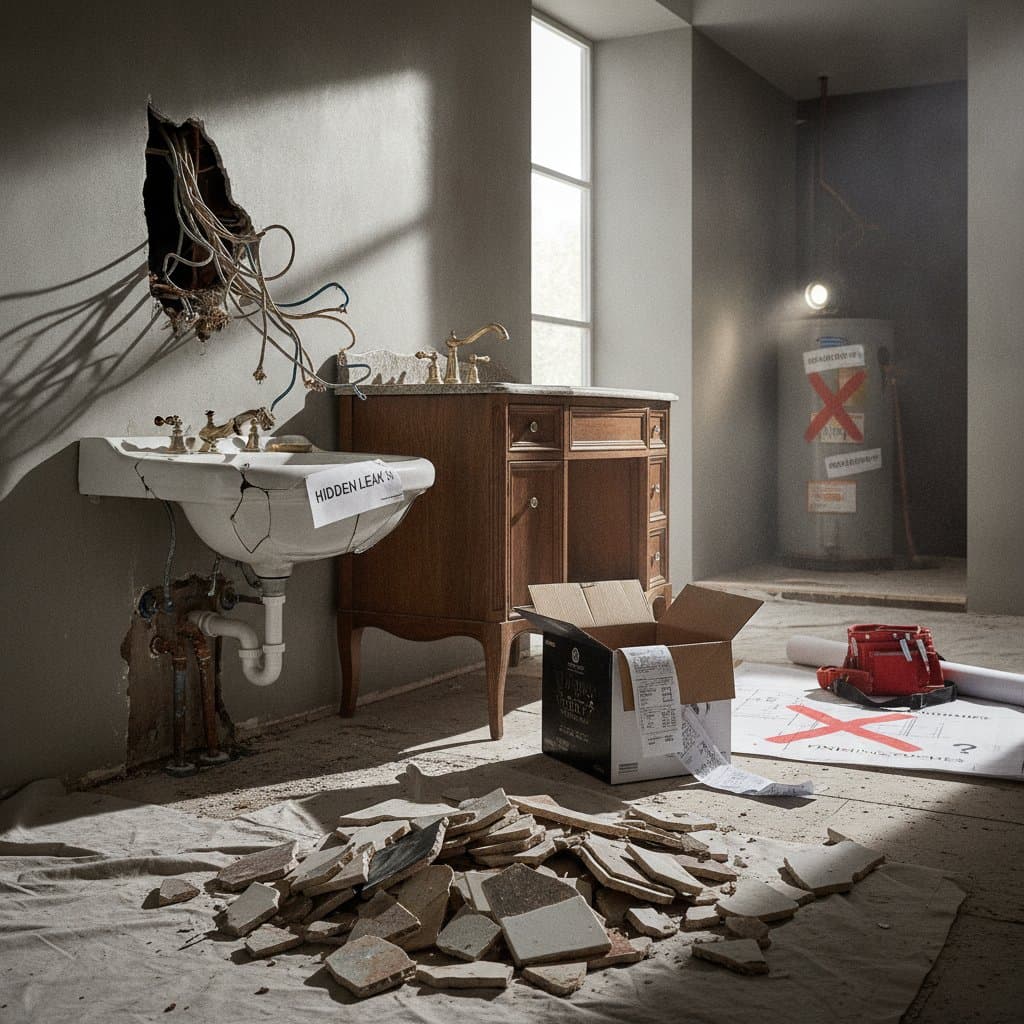
- Waterproofing and wall repairs: These elements provide essential protection even when hidden from view.
- Tile and glass selections: Custom patterns and frameless glass can add several thousand dollars.
- Accessibility features: Grab bars, low thresholds, and built-in seats increase upfront costs but improve safety and comfort.
- Permits and disposal: Local requirements and debris removal contribute to the total estimate.
Request contractors to itemize labor, materials, demolition, waterproofing, and disposal costs. Vague quotes make it difficult to understand what is included. Clear proposals reduce confusion, particularly when the bathroom remains out of service during construction.
Is a Walk-In Shower Worth the Extra Expense?
A walk-in shower justifies its cost when daily showering, easier access, or space constraints are priorities. It may also appeal to future buyers who prefer modern, low-threshold designs. No single feature guarantees increased resale value.
Focus on structural elements beyond visible glass. The floor requires proper slope for drainage. The drain must handle water flow reliably. Waterproofing demands careful installation throughout. Cutting corners in these areas can transform an upgrade into a costly repair project.
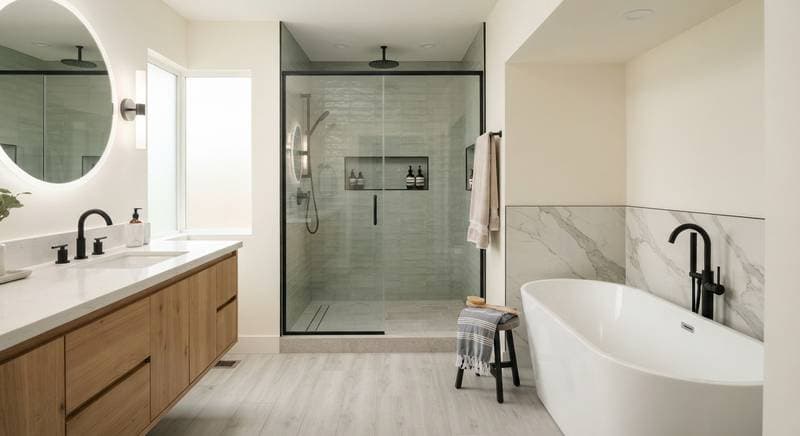
A practical mid-range shower includes a prefabricated base, standard tile, and framed glass. Custom stone, multiple showerheads, built-in niches, and frameless glass move the project into luxury territory. With limited budgets, select one daily-use feature such as a comfortable showerhead while keeping other elements straightforward.
A licensed remodeling contractor with over a decade of residential bathroom experience advises homeowners to prioritize waterproofing systems before decorative finishes. The tile provides visual appeal, but the layers behind it protect the house structure. Ask prospective contractors about their waterproofing methods, warranty coverage, and previous project examples.
Should You Keep a Tub in the Bathroom?
Retain a tub when household members use it regularly, when bathing children is part of daily life, or when this bathroom serves as the home's only full bathroom. A tub can make the home more practical for various buyer types. Installing one solely for resale value may not justify the expense if household members do not use it.
Tub replacement becomes simpler when the existing footprint and plumbing remain unchanged. Deeper soaking tubs or freestanding models cost more. Freestanding tubs may require plumbing adjustments or additional floor support. Measure carefully before selecting a model. A beautiful tub that leaves insufficient space for movement becomes an expensive, impractical addition.
When another tub exists elsewhere in the home, converting one bathroom to a shower may suit household needs. In compact spaces, a well-designed shower can improve access and reduce crowding. This benefit depends on layout considerations rather than aesthetic appeal alone.
How Do You Choose the Better Option?
Begin with household routines, then compare complete project costs. Ask all bathroom users about their needs, including children, older relatives, and anyone with mobility concerns. The solution may involve a shower in one bathroom, a tub in another, or a tub with a handheld showerhead.
Follow this checklist:
- Count the tubs in your home. If this is the only one, consider needs of families and potential buyers.
- Establish a total budget that includes fixtures, labor, permits, disposal, and temporary bathing alternatives.
- Add a contingency reserve of 10 to 20 percent for hidden damage or necessary repairs.
- Obtain at least three written estimates. Compare scope and materials rather than focusing solely on the bottom line.
- Verify contractor credentials and references. Confirm licensing and insurance requirements, and ask how changes are handled.
- Confirm the project schedule and payment terms. Avoid paying the full project cost upfront. Document milestones and responsibilities in writing.
Once estimates arrive, some compromises may become necessary. Value engineering helps maintain quality while managing costs. Keep plumbing in its current location, choose standard-size glass, and limit decorative tile to an accent wall. Avoid removing waterproofing, structural work, or qualified labor from the plan to reduce costs. Those savings often prove temporary.
What Should You Ask Before Signing?
A second professional perspective clarifies essential versus optional elements. A certified aging-in-place specialist can suggest accessible design features without creating a clinical appearance.
Planning a Bathroom That Serves Your Household
A shower makes sense when convenience, access, and daily use drive the decision. A tub earns its cost when household members need or enjoy baths, or when it remains the only tub available.
Before scheduling work, compare itemized quotes, maintain a contingency fund, and identify which upgrades matter most. A comfortable bathroom does not require every premium finish available. It needs to serve household needs without creating financial stress.