
Scullery Kitchens Add 12% to Your Home's Value
Why Scullery Kitchens Stand Out in 2026
Recent industry data shows that 42 percent of homeowners who remodeled kitchens last year added a secondary prep or storage area. Of those projects, 67 percent labeled the addition a scullery, butler's pantry, or hidden kitchen. This shift reflects growing interest in designs that support open living while keeping daily tasks out of sight. A well-planned scullery can raise resale value by 5 to 12 percent according to regional remodeling analyses.
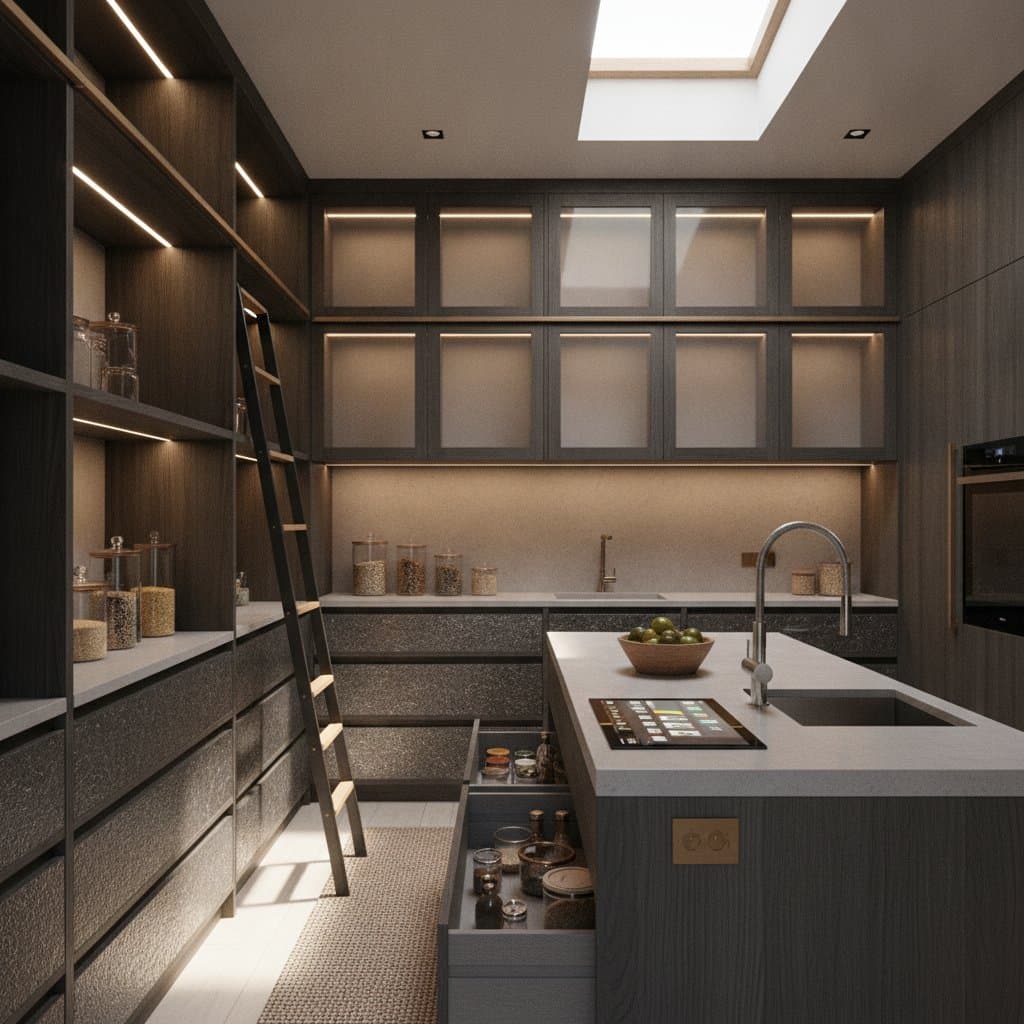
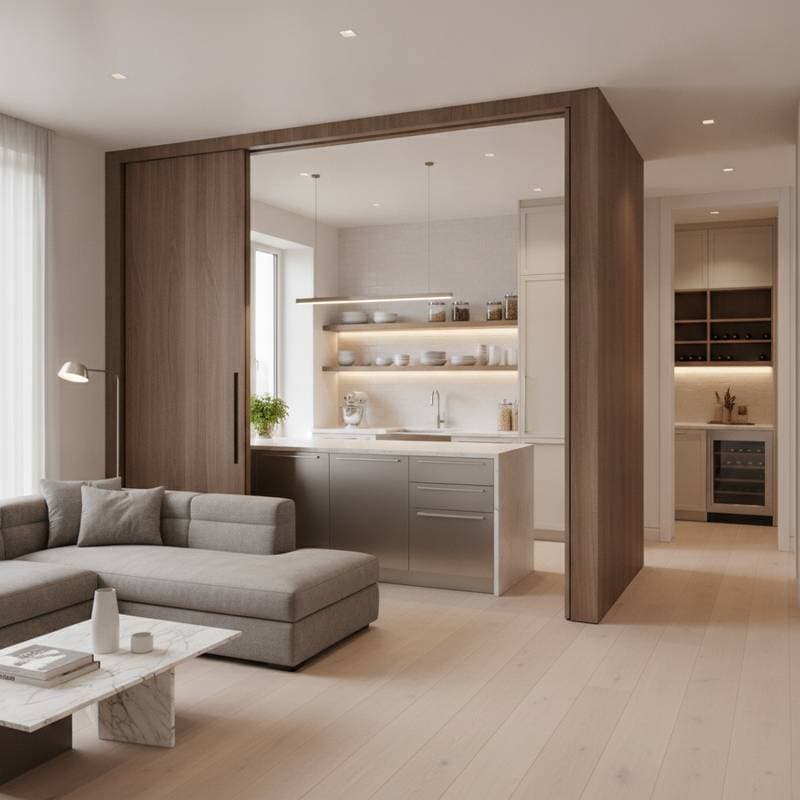
Once limited to large estates, sculleries now appear in mid-range and premium homes alike. They separate food preparation, cleanup, and storage from the main living space. The result is a cleaner visual presentation and a more efficient workflow for everyday use.
Embracing Functional Zoning
Architects view the scullery as a return to task-based room planning. Laura McKenney, principal at a residential design firm, notes that the layout restores order by keeping mess contained. Homeowners gain the social advantages of an open kitchen without exposing every appliance or spill.
Project manager Daniel Cho reports that sculleries now feature in 60 percent of his firm's higher-end kitchen jobs. Clients request the space because it allows hosting in the main area while heavy cooking and dishwashing occur behind a closed door. This separation also reduces wear on primary surfaces and extends the life of cabinetry and flooring.
Understanding the Costs Involved
Project expenses depend on size, location, and finish level. Current contractor surveys list the following ranges for a 60 to 120 square foot addition:
- Basic retrofit: 8000 to 15000 dollars
- Mid-range work that includes plumbing and cabinetry: 18000 to 30000 dollars
- High-end construction with custom appliances: 35000 to 60000 dollars
Labor typically accounts for 45 percent of the total. Homeowners should reserve at least 10 percent of the budget for unexpected structural or electrical work. Financial consultant Megan Torres recommends obtaining three detailed bids and confirming every line item before signing an agreement.
Advantages That Extend Past Storage
A scullery improves daily routines in several measurable ways. Real estate agents observe that homes with secondary prep areas often sell more quickly because buyers recognize the added utility. Energy use can drop when high-output appliances move to a dedicated zone, lowering strain on the main kitchen ventilation system.
During gatherings, hosts finish meal prep or load the dishwasher without interrupting conversation. Families with children gain a contained area for noisy or messy tasks. Over time these features reduce maintenance expenses and increase overall livability.
Steps to Minimize Project Risks
Common issues include poor airflow, insufficient lighting, and overlooked utility connections. Address these concerns through the following actions:
- Schedule a pre-construction inspection to locate plumbing and electrical limits.
- Select sealed flooring and backsplash materials that resist moisture.
- Add task lighting and under-cabinet LEDs for safe work conditions.
- Review warranty coverage on appliances and finishes before installation begins.
A contract that ties payments to completed milestones keeps the project on track and protects cash flow.
Realizing Long-Term Returns
Homeowners recover an average of 60 to 80 percent of scullery costs at resale. The space also adapts as household needs change. Empty nesters sometimes convert it into a beverage station, while growing families expand it into additional pantry or laundry capacity.
Getting Started with Your Renovation
Begin by mapping current kitchen bottlenecks and listing daily tasks that would benefit from separation. Engage a certified designer to translate those observations into a practical layout. Collect accurate cost estimates, set aside a contingency fund, and establish a realistic timeline before construction starts. This measured approach turns the scullery into both an immediate convenience and a lasting financial asset.