
Planning Your Outdoor Kitchen: What Really Drives the Cost
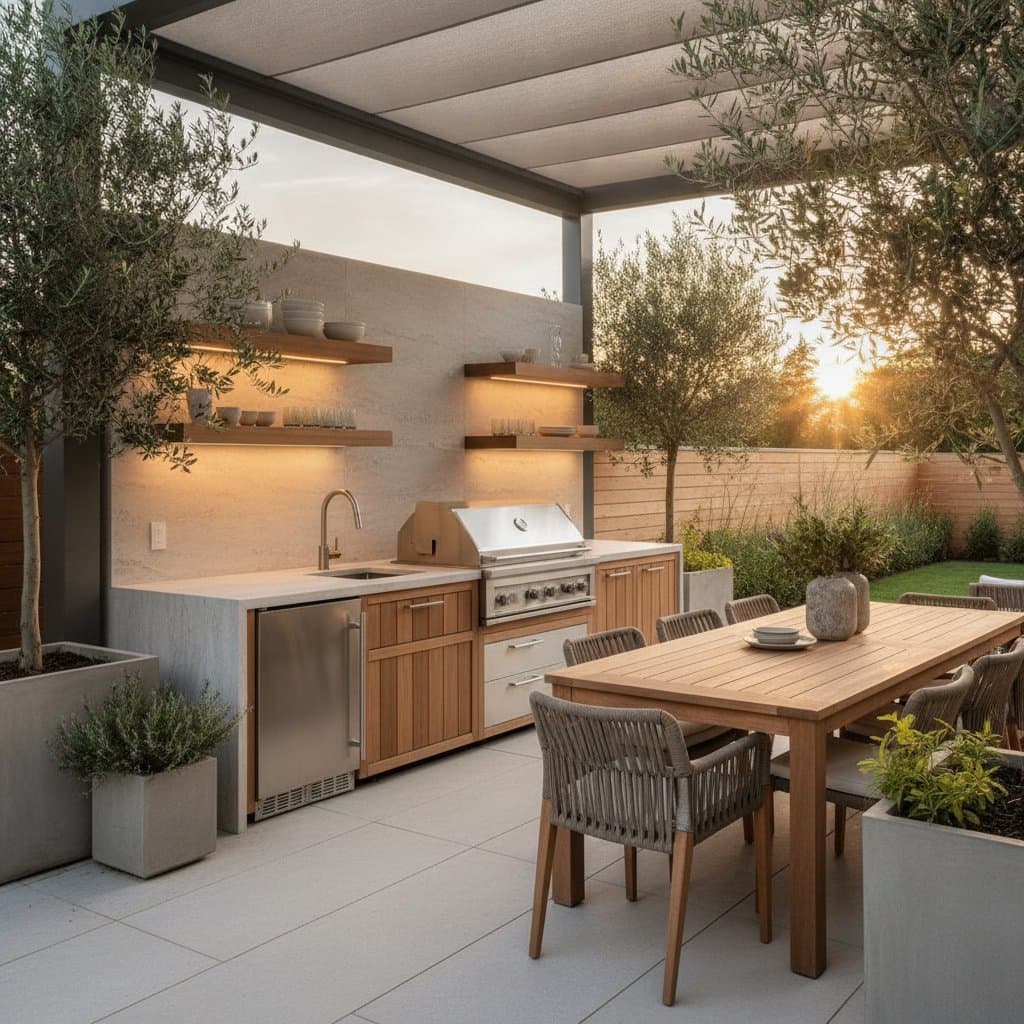
Imagine stepping into your backyard and finding a space that feels like an extension of your home. The grill is hot, your favorite playlist hums softly in the background, and friends gather around a stone counter as the sun sets. This is the charm of an outdoor kitchen. It brings together cooking, entertaining, and relaxation in one beautiful, functional setting. Yet before you can fire up that first meal, it helps to know what this dream costs and which features truly matter.
Understanding What Drives Outdoor Kitchen Costs
Outdoor kitchen costs vary widely, depending on design complexity, materials, and location. A simple setup with a grill, countertop, and storage can start at a moderate investment. A fully equipped kitchen with built-in appliances, bar seating, and high-end finishes can reach a much higher range.
Think carefully about how you plan to use the space. Are you imagining casual family dinners or large parties? Will you cook full meals or mostly grill on weekends? Your answers influence how much you will spend and where your priorities lie.
Here are the main factors that affect the total cost:
-
Size and Layout
The footprint of your kitchen sets the foundation for the budget. A compact, linear design along one wall is more affordable than a large U-shaped or island layout. Every extra section adds materials, labor, and sometimes additional plumbing or electrical work. -
Appliance Selection
The grill is the centerpiece, but other appliances quickly add up. Consider side burners, refrigerators, ice makers, or even a pizza oven. Each requires installation and, in some cases, gas or water connections. -
Materials and Finishes
Countertops in granite or concrete cost more than tile or composite surfaces, yet they also withstand weather better. Cabinetry made from stainless steel resists moisture but comes at a premium compared to treated wood or polymer. -
Utilities and Infrastructure
If your design includes running water, drainage, gas lines, or electrical outlets, expect to budget for professional installation. These behind-the-scenes components are essential for safety and code compliance. -
Location and Site Preparation
Building on an existing patio costs less than creating a new foundation. Sloped or uneven yards may need leveling, framing, or extra concrete work.
Cost Breakdown by Type of Kitchen
To help plan your budget, it is useful to think in tiers:
- Basic Outdoor Kitchen: Includes a freestanding grill, modest counter space, and simple storage. It is a great option for smaller patios or homeowners testing the waters.
- Mid-Range Kitchen: Features built-in appliances, durable countertops, and permanent utilities. It strikes a balance between comfort and value.
- Luxury Kitchen: Incorporates top-tier appliances, custom stonework, covered seating areas, and lighting. This type delivers a true outdoor living experience.
Each step up in design adds both beauty and convenience. The key is matching your investment to how often you will use the space and how long you plan to stay in your home.
Must-Have Features for a Functional and Beautiful Design
An outdoor kitchen should be more than a collection of appliances. It should feel cohesive, inviting, and built for real life. Here are the features that make the biggest difference:
-
Quality Grill or Cooking Station
Choose a grill that suits your cooking style. Gas and propane models heat quickly and clean easily, while charcoal or pellet grills create bold flavor. Stainless steel construction offers durability in changing weather. -
Ample Counter Space
You will want at least a few feet of prep area near the grill. If space allows, include a secondary surface for serving or buffet-style dining. Materials like granite or sealed concrete handle heat and spills well. -
Weather-Resistant Storage
Cabinets or drawers keep utensils, tools, and dishware close at hand. Look for powder-coated stainless steel or marine-grade polymer that resists moisture and fading. -
Sink and Water Access
A sink simplifies cleanup and food prep. Even a small bar sink can save trips inside the house. Plan the plumbing route early to avoid costly rerouting later. -
Shade and Shelter
Pergolas, umbrellas, and retractable awnings make the space more comfortable. Shade helps protect both guests and appliances from direct sunlight. -
Lighting and Electrical Outlets
Proper lighting creates ambiance and safety. Use a mix of task lights near cooking zones and softer lighting for seating areas. Add outlets for small appliances or phone chargers. -
Seating and Dining Zones
Plan for conversation and comfort. Bar-height stools along a counter or a nearby table encourage interaction while cooking. Weatherproof cushions and stackable chairs make hosting easier. -
Heating Elements or Fire Features
A fire pit or built-in heater extends the use of your kitchen into cooler evenings. Choose options that match your design, whether it is modern gas flames or a rustic wood-burning pit.
Smart Ways to Control Costs
Building an outdoor kitchen does not have to break the budget. With careful planning, you can achieve great results without overspending.
- Start Small, Expand Later: Install core elements first, such as the grill, counter, and storage, then add extras like a refrigerator or sink later.
- Mix Materials Thoughtfully: Combine high-end finishes in visible areas with practical ones elsewhere. For example, use natural stone for your counter edge but tile for the prep surface.
- Reuse Existing Structures: If you already have a patio or deck, integrate the kitchen there rather than starting from scratch.
- Choose Modular Components: Prefabricated kitchen units offer flexibility and lower labor costs compared to custom masonry builds.
Maintaining Performance Over Time
Once your outdoor kitchen is complete, maintenance keeps it looking and performing its best. Regularly clean the grill, wipe surfaces after each use, and cover appliances when not in use. If you live in a region with seasonal weather changes, store cushions indoors and disconnect water lines before freezing temperatures arrive.
Think of your outdoor kitchen as a living space that evolves. You might start with weekend cookouts and later host full celebrations or casual weekday dinners. Over time, you can personalize the area with lighting, plants, or new furniture to match your lifestyle.
Bringing Your Vision to Life
Creating an outdoor kitchen is both a design project and a lifestyle upgrade. Whether your goal is a cozy spot for family meals or a full entertaining hub, careful planning ensures every dollar spent adds lasting value. Focus on the essentials first, prioritize quality materials, and allow room for future updates. With the right approach, you will enjoy a space that looks beautiful, works effortlessly, and draws people together season after season.