Budget Challenges in Pantry Remodels
Homeowners frequently discover that pantry organization projects exceed initial estimates. Recent data shows more than half of kitchen remodels surpass budgets by at least 15 percent when storage upgrades form a central focus. This pattern reflects the shift of pantries from basic storage to integrated efficiency zones that influence daily routines and property value.
Proper planning addresses both design goals and financial controls from the outset. Labor typically represents 35 to 45 percent of expenses, while materials account for the balance. Allocating an extra 10 to 15 percent for contingencies helps manage unexpected electrical or structural needs.
Lighting and Inventory Systems
Motion sensor lighting and digital tracking tools now appear in many kitchen projects. Thirty nine percent of recent remodels include sensor activated LEDs, and 22 percent add connected inventory features. These additions range from simple LED strips to app based systems that monitor expiration dates.
Upfront costs fall between 600 and 1500 dollars, yet reduced food waste and energy use often offset the investment. Grant Holloway, Senior Electrical Consultant with Build Smart Systems, notes that linked grocery lists prevent duplicate purchases. Budget conscious projects can start with motion lighting alone, while premium installations integrate sensors with existing smart home platforms.
Hybrid Pantry Configurations
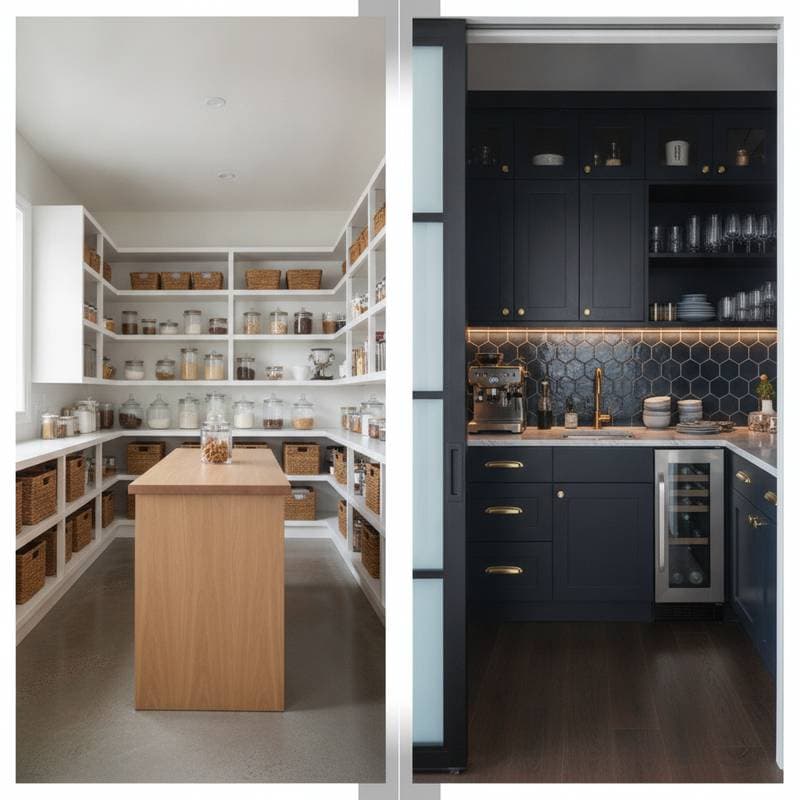
Hybrid designs combine tall cabinets with shallow walk in zones for homes that lack space for full custom builds. Average installation costs range from 6000 to 10000 dollars, about 40 percent below a complete walk in pantry. This approach suits mid size kitchens and delivers flexible storage without extensive structural changes.
Anthony Ruiz, Certified Remodeler with Urban Build Studio, explains that these layouts adapt to changing household needs while maintaining strong financial returns. Value engineering principles guide selections such as modular components over fully custom millwork.
Sustainable Material Options
Recycled wood, metal bins, and low VOC finishes gain attention for durability and reduced upkeep. Bamboo shelving begins near 35 dollars per linear foot, reclaimed wood reaches 65 dollars or higher, and powder coated steel falls between 45 and 75 dollars per linear foot. Fifty four percent of consumers accept up to 10 percent higher initial costs when long term maintenance decreases.
Lifecycle costing favors these choices because they limit refinishing expenses over time. Homeowners evaluate total ownership costs rather than upfront prices alone.
Vertical Storage Solutions
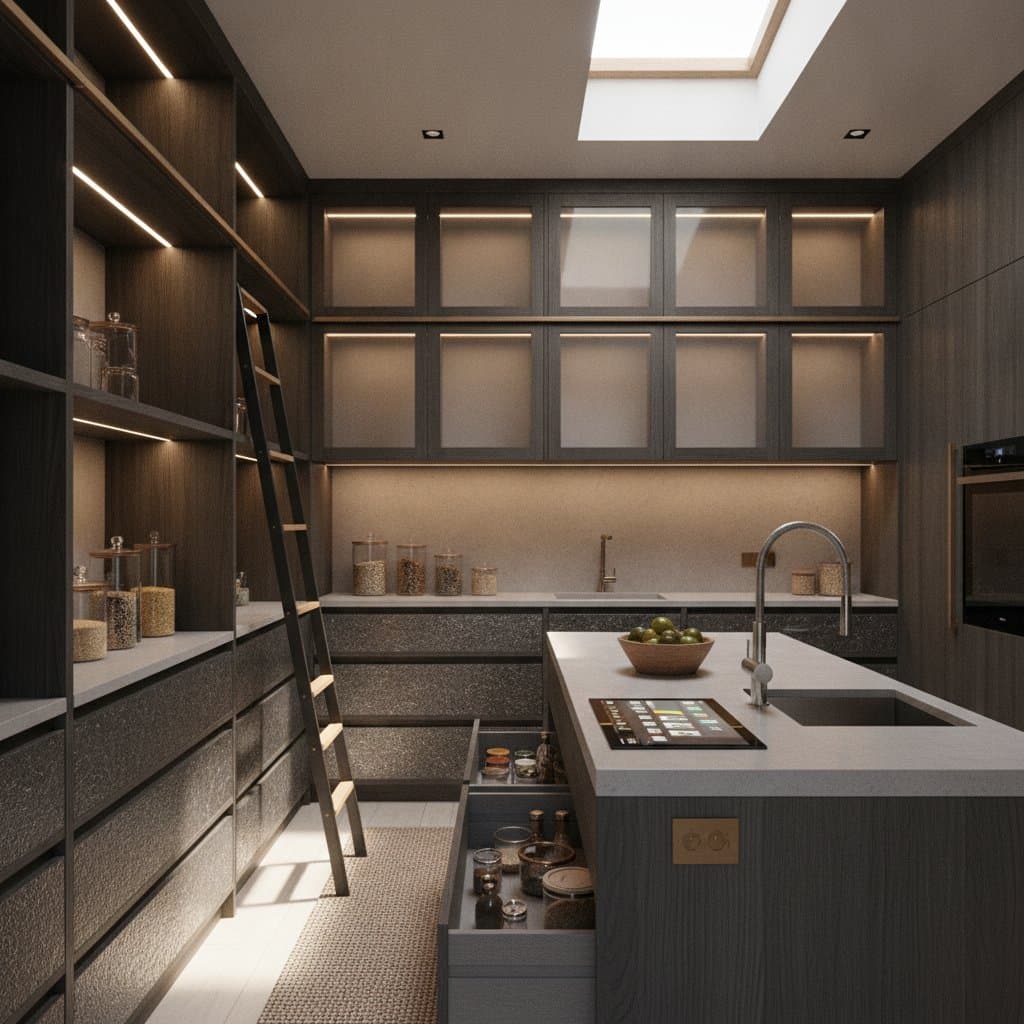
Ceiling high systems expand usable space by up to 30 percent within existing footprints. Tall units, integrated ladders, and upper lighting cost 200 to 400 dollars per linear foot depending on finishes and access features. Precise measurements and professional installation ensure safety and performance.
Partial height extensions or adjustable racks offer similar gains at lower expense for tighter budgets. These additions improve both capacity and visual appeal.
Labeling and Categorization Tools
Digital labeling pairs physical tags with inventory apps that support barcode or QR scanning. Implementation averages 250 to 500 dollars, while basic professional label printers stay under 100 dollars. Consistent category systems reduce confusion during meal preparation and limit waste.
Project Planning Steps
Obtain three detailed bids with itemized breakdowns to compare options and identify savings. Certified Kitchen Designers or project managers charge 5 to 10 percent of total cost yet frequently prevent larger overruns through coordinated layouts and timelines. This structured approach aligns storage improvements with both immediate function and lasting property value.