
Building a Moisture-Resistant Bathroom Foundation
Picture a bathroom where steam dissipates quickly, surfaces remain pristine, and no musty odors linger. This ideal environment results from proactive design choices that combat moisture at every level. Water supports essential routines, but unmanaged humidity leads to mold, rot, and structural issues. Selecting resilient materials and systems creates a space that endures daily exposure while maintaining aesthetic appeal.
A comprehensive approach goes beyond surface treatments. It involves integrating barriers, airflow solutions, and monitoring tools from the outset. For renovations or updates, focus on these elements to establish lasting dryness, hygiene, and comfort.
1. Waterproof Backer Boards: The Essential Barrier
Backer boards serve as the foundational shield in wet areas like showers and tub surrounds. These panels, typically made from cement board, fiberglass, or specialized composites, provide a stable base for tile installation while repelling water penetration. Unlike traditional drywall, which absorbs moisture and fosters mold, backer boards remain rigid and dry even under prolonged exposure.
Opt for boards certified for wet locations, such as those with a water absorption rate below 5 percent. During installation, secure them with corrosion-resistant screws and tape all joints with waterproof mesh. This setup prevents water from seeping behind tiles and damaging subfloors or studs.
Installation Tip
Measure precisely and cut boards to fit snugly around fixtures. Apply a thin layer of thinset mortar over seams before tiling to create an impermeable layer. Regular inspections ensure long-term performance.
2. Smart Tile Choices: Porcelain, Ceramic, and Beyond
Tiles dominate bathroom surfaces due to their longevity, simplicity in maintenance, and versatile styles. However, performance varies in humid conditions, so prioritize options with low porosity.
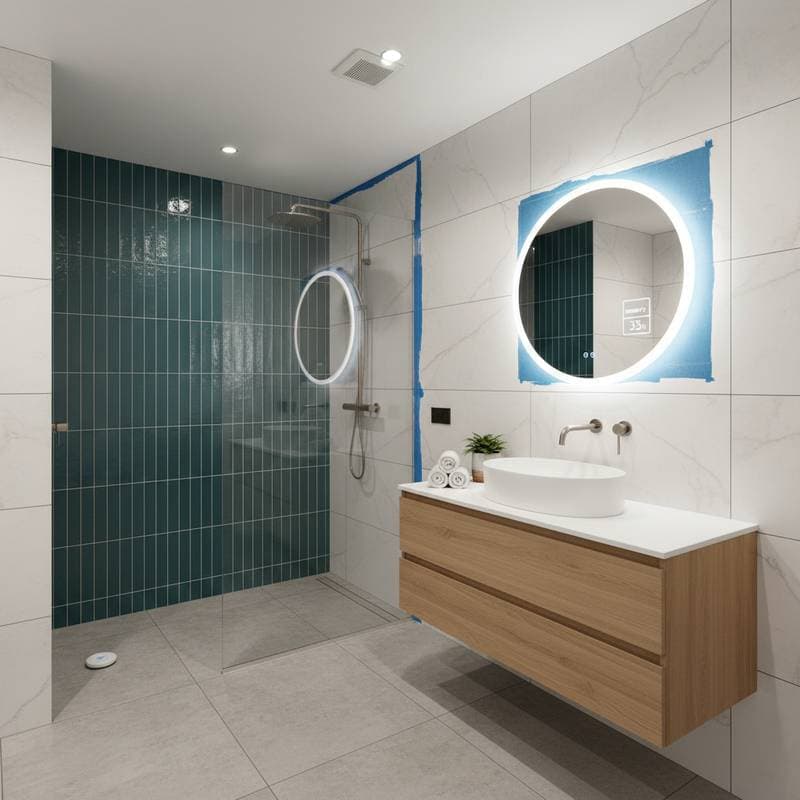
Porcelain tiles, fired at higher temperatures, offer superior density and water resistance compared to ceramic. They suit high-moisture zones like shower floors and walls. Large-format porcelain reduces grout joints, minimizing potential entry points for water. For a luxurious touch, select porcelain that replicates natural stone patterns, avoiding the frequent sealing required for authentic marble or limestone.
Practical Advice
Pair tiles with epoxy or urethane-based grout for enhanced durability. Apply a penetrating sealer to grout lines after curing to block stains and moisture ingress, preserving the surface's appearance over time.
3. Proper Ventilation: The Key to Humidity Control
Effective airflow removes steam and excess moisture, preventing condensation buildup. Install an exhaust fan rated at least 1.0 cubic foot per minute per square foot of bathroom space. Position the fan above the shower or tub for optimal capture of humid air.
Choose models with humidity sensors that activate automatically when levels rise. For larger bathrooms, consider inline fans that vent through the roof or exterior wall, ensuring quiet operation. Combine with operable windows for natural cross-ventilation during milder weather.
Maintenance Note
Clean fan blades and ducts annually to maintain efficiency. Replace worn filters in sensor-equipped units to sustain accurate humidity detection and airflow.
4. Seal Every Surface: Paints and Finishes that Protect
Bathroom walls and ceilings face constant humidity challenges, requiring finishes beyond mere decoration. Select paints formulated for high-moisture environments, featuring antimicrobial additives to inhibit mold.
Semi-gloss or eggshell sheens on walls facilitate easy wiping of splashes and steam residue. For ceilings, satin finishes balance light reflection with wipeability. Apply two coats in vulnerable areas near sinks or showers to bolster resistance.
Design Tip
Incorporate subtle colors such as soft beige, light sage, or cool aqua to foster relaxation and mask minor water marks until cleaning occurs.
5. Mold-Resistant Materials for Peace of Mind
Selecting inherently resistant materials complements moisture barriers. These choices reduce the need for constant vigilance against fungal growth.
- Mold-Resistant Drywall: Identified by green or purple boards, this variant incorporates glass mats and fungicides to block spore adhesion.
- Silicone Sealants: Prefer 100 percent silicone caulk over acrylic types for edges around fixtures; it flexes with movement and resists microbial invasion.
- Antimicrobial Grout: Advanced formulations with silver ions or similar agents inhibit bacteria and mold on tile joints.
Pro Tip
Examine sealant lines biannually for gaps or darkening. Scrape out deteriorated material thoroughly before reapplying to ensure a solid, protective bond.
6. Fixtures and Accessories that Contain Water
Thoughtful fixture selection directs water flow and minimizes exposure. Frameless glass enclosures for showers reduce hardware that collects moisture, promoting straightforward cleaning.
Faucets and showerheads in polished chrome or stainless steel withstand corrosion and repel spots effectively. Elevate storage with wall-hung vanities that avoid floor contact, paired with sealed-wood or metal shelves for dry organization.
Selection Guidance
Verify fixtures carry low-flow ratings for efficiency without sacrificing pressure. Test hardware for smooth operation to prevent drips that contribute to humidity.
7. Smart Technology for Proactive Monitoring
Technology integrates seamlessly to detect and mitigate moisture issues early. Compact dehumidifiers linked to HVAC systems maintain optimal humidity below 50 percent.
Anti-fog mirrors with integrated heaters eliminate condensation buildup. Place smart water sensors under cabinets or near drains; they integrate with apps to notify of leaks via smartphone alerts.
Integration Advice
Pair sensors with automated shutoff valves for immediate response to detected anomalies. Update software regularly to leverage new detection algorithms.
8. Lighting and Layout for Optimal Dryness
Strategic illumination and spacing enhance both functionality and moisture management. Install damp-rated LED recessed lights over wet zones to provide bright, cool illumination without heat buildup.
Design layouts with adequate clearance: position racks for towels in well-ventilated spots and space fixtures to allow air movement. Avoid overcrowding to prevent stagnant pockets.
Layout Consideration
Incorporate dimmable options for varied moods while ensuring task lighting near mirrors remains vapor-tight.
Sustaining Your Moisture-Protected Design
With these elements in place, routine care simplifies preservation. Towel-dry surfaces post-use and ventilate after each shower to expedite drying. Scrub grout with non-abrasive solutions monthly to avert residue accumulation.
The result is a bathroom that demands minimal effort for upkeep. Finishes retain vibrancy, air quality improves, and structural integrity holds firm. Approach upgrades incrementally, beginning with backer boards and ventilation for immediate impact. Each addition fortifies the space, transforming daily rituals into seamless experiences backed by enduring protection.