Understanding Remodel Insurance Coverage in 2026
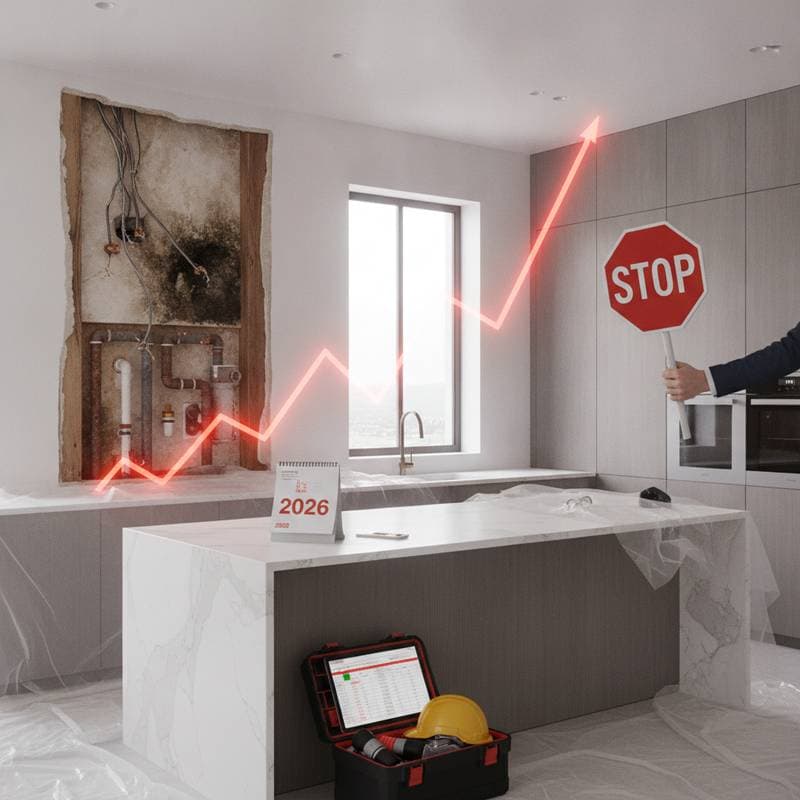
Imagine the excitement of a kitchen remodel: selecting ideal countertops, confirming an eight-week timeline with your contractor, and envisioning family meals in the updated space. Then, a sudden pipe burst floods the unfinished area. The plumber attributes it to aging infrastructure, the contractor points to unforeseen issues, and the insurance adjuster explains limited coverage. What began as a dream project quickly becomes a costly ordeal.
Remodel insurance addresses these risks precisely. However, numerous homeowners overlook how their policies change amid construction. A recent national survey reveals that over 50 percent of renovating homeowners faced unexpected coverage shortfalls after work commenced. This guide clarifies remodel insurance protections, highlights deficiencies in standard policies, and provides strategies to shield your assets from the outset.
Limitations of Standard Home Insurance During Renovations
Standard home insurance suits stable properties. Renovations introduce heightened risks, such as exposed electrical systems and construction machinery, which insurers view as liabilities.
Typical homeowner policies exclude coverage for:
- Damage resulting from contractor errors in workmanship or design
- Theft of uninstalled building materials
- Fires ignited by welding torches or other tools
- Injuries to subcontractors unless they are directly employed by the homeowner
Temporary relocation during the project can also trigger exclusions. Many policies deactivate protections for vacant homes after 30 to 60 days of uninhabitability, exposing the site to risks while the owner resides elsewhere.
Data from the Home Insurance Data Network indicates that average renovation damage claims surpass $15,000. Such figures underscore the importance of addressing these gaps proactively to avoid substantial out-of-pocket expenses.
The Scope of Contractor Insurance and Its Boundaries
Reputable contractors maintain general liability insurance and workers' compensation. These policies safeguard the contractor's operations against property damage or worker injuries on the job site.
For instance, if a crew member shatters a window or damages flooring with heavy equipment, the contractor's liability coverage responds. Workers' compensation handles medical costs and lost wages for injured employees. Yet, these policies do not extend to all renovation hazards.
A weather event damaging exposed framing or the theft of stored appliances falls outside contractor protections unless directly linked to their negligence. Homeowners require supplementary remodel insurance to cover these broader exposures.
"Homeowners frequently mistake contractor insurance for comprehensive protection," notes Dean Wallace, a property claims specialist at HarborPoint Insurance. "In reality, it serves specific purposes, and personal policies must bridge the remaining vulnerabilities."
Steps to Secure Coverage Before and During Renovation
Effective protection begins with thorough planning. Implement these measures prior to construction:
- Inform your insurer promptly. Detail the remodel scope, including timelines and involved trades. If exclusions arise, compare policies from multiple providers before proceeding.
- Obtain documented assurances. Require contractors to submit certificates of insurance, valid licenses, and client references to verify compliance.
- Record the pre-remodel condition. Capture detailed photographs and videos of the existing space, noting any pre-existing damage for claim substantiation.
- Safeguard supplies and tools. Store materials in locked enclosures or supervised areas; consider on-site security measures like fencing or cameras for high-value items.
- Verify permit requirements. Local building codes in many areas mandate insurance proof for approvals, ensuring regulatory alignment.
For self-managed projects involving DIY elements, confirm that personal liability limits accommodate such activities. Assisting friends or family in tasks like installing fixtures could expose you to claims if accidents occur.
During active work, conduct weekly site inspections to monitor progress and risks. Schedule coordination meetings with contractors to align on safety protocols, such as proper storage of flammable materials.
Navigating the Claims Process for Renovation Damage
Should damage occur, swift action preserves your options. Follow this sequence:
- Capture evidence without delay. Photograph and video the affected areas extensively before any cleanup or repairs commence.
- Notify your insurer immediately. Provide your policy details and request specific claim filing guidelines.
- Mitigate additional harm. Actions like isolating water sources or securing openings qualify as reasonable steps under most policies.
- Retain records of interim fixes. Receipts for urgent repairs, such as tarping a roof leak, support reimbursement requests.
- Document interactions formally. Use email or certified mail for all correspondence to create an indisputable audit trail.
Adjusters process high volumes of claims, so organized submissions expedite resolutions. If disputes emerge, consult policy language or seek guidance from an independent adjuster familiar with renovation scenarios.
Sustaining Protection After Project Completion
With renovations complete, update your home insurance to match the enhanced property value. Increased square footage, upgraded appliances, or improved energy efficiency may necessitate higher dwelling coverage limits.
Archive all project documentation, including contractor invoices, material warranties, and final inspections. These records not only bolster future claims but also enhance resale value by demonstrating quality workmanship.
Annual policy reviews ensure ongoing alignment with evolving needs. Explore insurer incentives for features like smart leak detectors, which can lower premiums while adding safeguards.
Renovations enrich living spaces when supported by robust insurance. Prioritize coverage verification at every stage to enjoy the results without lingering worries over unforeseen costs.