
2026 Cabinet Reface vs Replace: Which Saves More
Kitchen cabinets determine renovation budgets, storage capacity, and daily comfort. Homeowners face a familiar choice between keeping existing cabinet boxes and refacing them, or removing everything and installing new units. Both options can produce a fresh kitchen, yet they solve different problems.
The right decision starts with structure, not color. After reviewing remodels where homeowners wanted better storage, cleaner lines, and reliable durability, eight practical rules separate a smart cabinet refacing project from an expensive compromise.
1. Inspect the Cabinet Boxes First
Homeowners often assume attractive doors mean sound cabinets, or they discard solid boxes that only need cosmetic work. In a kitchen with level walls, stable shelves, and doors that close properly, the cabinet layout may already serve the family well. In another home, water damage below the sink or swollen particleboard can make refacing a poor investment.
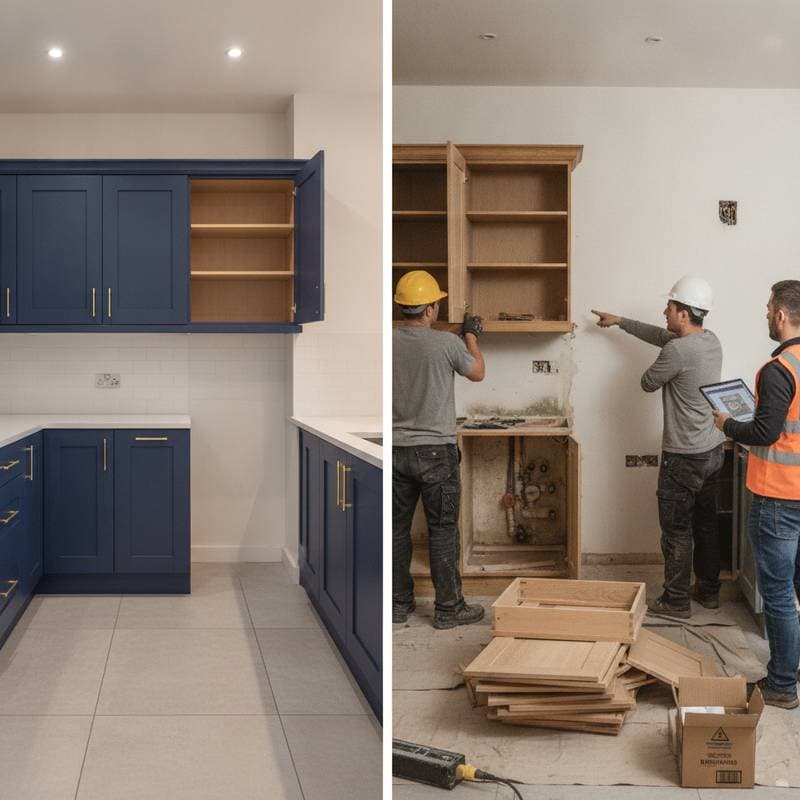
Remove a drawer and inspect the interior, underside, back panel, and wall connections. Press gently around plumbing cutouts and sink bases. Look for soft material, mold, delamination, loose fasteners, and sagging shelves.
Refacing works best with structurally sound plywood or medium density fiberboard boxes. A contractor should verify that wall cabinets are securely attached to framing or approved blocking. A careful inspection prevents spending on new fronts while preserving damaged components.
2. Compare the Scope, Not Just the Price
A low refacing quote may exclude hardware, interior accessories, trim, painting, or repairs. A replacement quote may include demolition, disposal, and full installation. A homeowner comparing two numbers may believe refacing always costs less, yet the final totals can move closer when the project includes pullout shelves, finished end panels, crown molding, and new drawers.
Request itemized estimates for demolition, disposal, box repairs, door style, finish, hardware, countertops, electrical work, plumbing, and installation. Refacing commonly includes new doors and drawer fronts, veneer or laminate on exposed surfaces, and new hinges. Replacement includes cabinet removal, layout changes, new boxes, fillers, toe kicks, and installation.
A detailed comparison reveals the actual cabinet refacing cost and protects the kitchen cabinet budget from hidden additions.
3. Keep Refacing When the Layout Works
New doors cannot correct a poor work triangle, blocked walkway, inadequate landing space, or badly placed appliances. If the refrigerator opens into a narrow aisle or the range lacks counter space on both sides, a cosmetic update leaves the core problem untouched.
Measure clearances before choosing either option. Preserve refacing when the sink, range, refrigerator, and primary preparation area function well. Choose replacement when cabinet positions need to change.
Many residential kitchens benefit from aisles around 42 inches for one cook and wider clearances for shared use. Door swings, appliance manufacturer specifications, and local accessibility requirements must also guide the plan. This rule keeps money focused on the changes that improve daily movement.
4. Replace When Storage Needs Have Changed
Families often outgrow fixed shelves, shallow drawers, and unused corner cabinets. A couple may manage with existing storage, while a growing household needs pantry capacity, waste sorting, baking equipment storage, and accessible drawers.
List every item that currently lives on the countertop or in another room. Convert awkward base cabinets to wide drawers, add tray storage near the oven, and consider a tall pantry where wall conditions allow.
Base cabinet drawers commonly use full extension slides rated for the intended load. Pullouts require accurate box dimensions and allowance for door clearance. Corner solutions must retain usable access, not merely fill space. Replacement can save more over time when it eliminates rented storage, repeated organizing purchases, and daily frustration.
5. Treat Materials as a Long Term Cost
The cheapest surface can fail early in areas exposed to steam, grease, water, and heavy use. A busy kitchen with children, frequent cooking, or a sink near an end panel requires tougher finishes than a lightly used guest kitchen.
Compare painted wood, wood veneer, laminate, and thermofoil by location and maintenance needs. Use moisture resistant materials near sinks and dishwashers, with sealed edges and properly fitted panels.
High quality hinges should be adjustable and corrosion resistant. Cabinet finishes need compatible cleaning instructions. Particleboard edges must be sealed where water exposure is possible. Paying for appropriate construction reduces peeling, swelling, and premature replacement.
6. Use Refacing for Speed, With Realistic Expectations
Refacing is sometimes marketed as a quick surface makeover, but rushed installation produces visible seams, uneven reveals, and poor door alignment. A household may need the kitchen operational with minimal interruption, making refacing attractive.
Confirm the installation sequence, protection plan, and site cleanup. Ask for samples in the actual kitchen lighting. Require the installer to adjust hinges after the doors settle.
Veneer requires clean, stable surfaces and consistent grain direction. New doors need precise drilling patterns, uniform reveals, and adequate ventilation around appliances. A well executed reface can shorten disruption while delivering a coordinated finish.
7. Replace When Hidden Conditions Are Serious
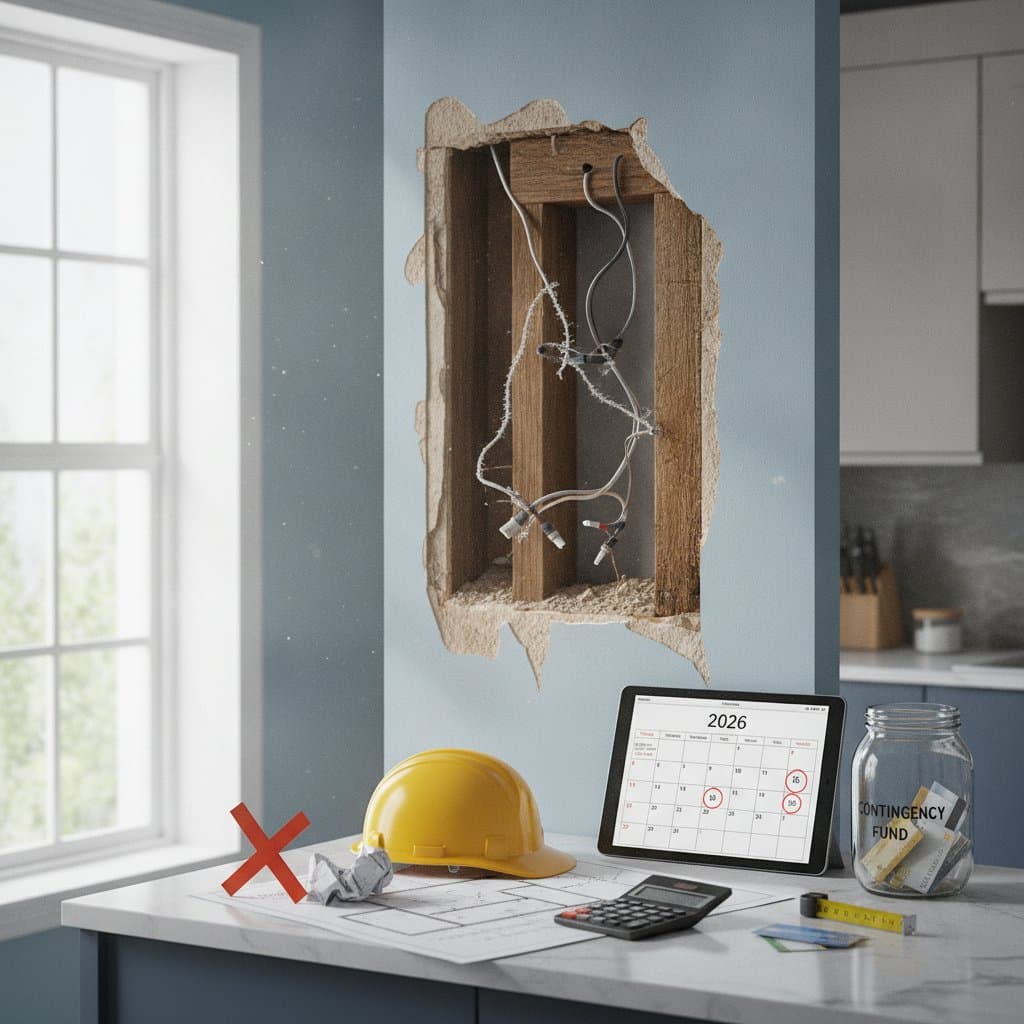
Cabinets may conceal outdated wiring, plumbing leaks, uneven floors, or inadequate ventilation. During a recent renovation, removing old units revealed recurring moisture below a dishwasher. Refacing would have covered the evidence and delayed the necessary repair.
Open access panels and inspect before finalizing the cabinet plan. Coordinate plumbing, electrical, flooring, and ventilation work before new cabinetry arrives.
Electrical modifications must follow local code, with required circuit protection and clearances. Plumbing connections need accessible shutoffs. Range hoods must meet manufacturer requirements for ducting and capacity. Replacement offers a clean opportunity to correct building conditions instead of trapping problems behind finished surfaces.
8. Protect the Budget With a Decision Test
A visually impressive kitchen can still fail financially if it consumes funds needed for lighting, flooring, ventilation, or durable countertops. A homeowner may prefer custom replacement cabinets, yet refacing could leave enough money for better task lighting and a safer electrical layout.
Rank goals as structural, functional, durability, and cosmetic. If the existing boxes satisfy structural and layout needs, price refacing first. If several categories fail, price replacement and reduce decorative upgrades before cutting essential work.
Keep a contingency reserve for concealed damage, field adjustments, and finish repairs. Confirm warranty coverage for materials and labor, and document who handles defects. The kitchen cabinet budget supports performance rather than appearance alone.
Final Decision Framework
Start with a thorough inspection of existing cabinet boxes. Compare detailed estimates that include all necessary components. Evaluate whether the current layout meets daily needs. Consider storage requirements and material durability. Factor in installation timeline and hidden conditions. Apply these criteria systematically to determine whether refacing or replacement delivers the best long term value for your specific kitchen situation.