

2026 Remodel Inflation: Key Cost Drivers
Homeowners planning kitchen updates or bathroom renovations often encounter higher quotes than expected. Material prices, labor rates, and regulatory fees all contribute to the increase. Understanding specific areas of growth supports better decisions throughout the process.
Material Prices with Notable Increases
Lumber and wood products show continued pressure on custom cabinetry and trim work. Hardwoods and specialty panels cost more due to production and transport expenses. Alternatives such as birch or maple with appropriate stains can deliver similar appearance at lower cost.
Tile and stone prices have risen from freight charges and import fees. Large format porcelain slabs require extra handling during installation. Pairing premium accent tiles with standard field tiles on secondary surfaces reduces overall expense.
Metal fixtures and hardware reflect higher costs for brass, copper, and stainless steel. Supply constraints affect finishes like matte black and brushed gold. Local suppliers or alternate available finishes help manage lead times and pricing.
Labor and Professional Service Rates
Skilled trades including electricians, plumbers, and tile setters remain in high demand. Early scheduling and selection of reliable contractors protect project timelines. Design and project management fees have also increased with greater demand for full service support.
Hybrid design arrangements allow payment for core concepts while owners handle routine selections. This structure maintains quality and limits professional fees.
Energy Efficiency and Technology Additions
High performance windows and doors carry higher upfront prices yet provide ongoing utility savings. Prioritizing replacements in primary living areas or adding storm panels offers a phased approach.
Smart home systems require additional installation and configuration time. Early planning for these elements prevents later adjustments and extra charges from specialists.
Finishes and Surface Selections
Premium paints and specialty wall treatments cost more from material and application complexity. Standard high quality paints combined with accent walls achieve visual interest without premium pricing.
Quartz and engineered stone countertops have seen price growth from demand and supply factors. Solid surface options or advanced laminates provide comparable appearance when natural stone exceeds budget limits.
Lighting fixtures and installation reflect increased costs for custom designs. Statement pieces in main areas paired with simpler recessed fixtures elsewhere balance style and expenditure.
Logistics and Administrative Factors
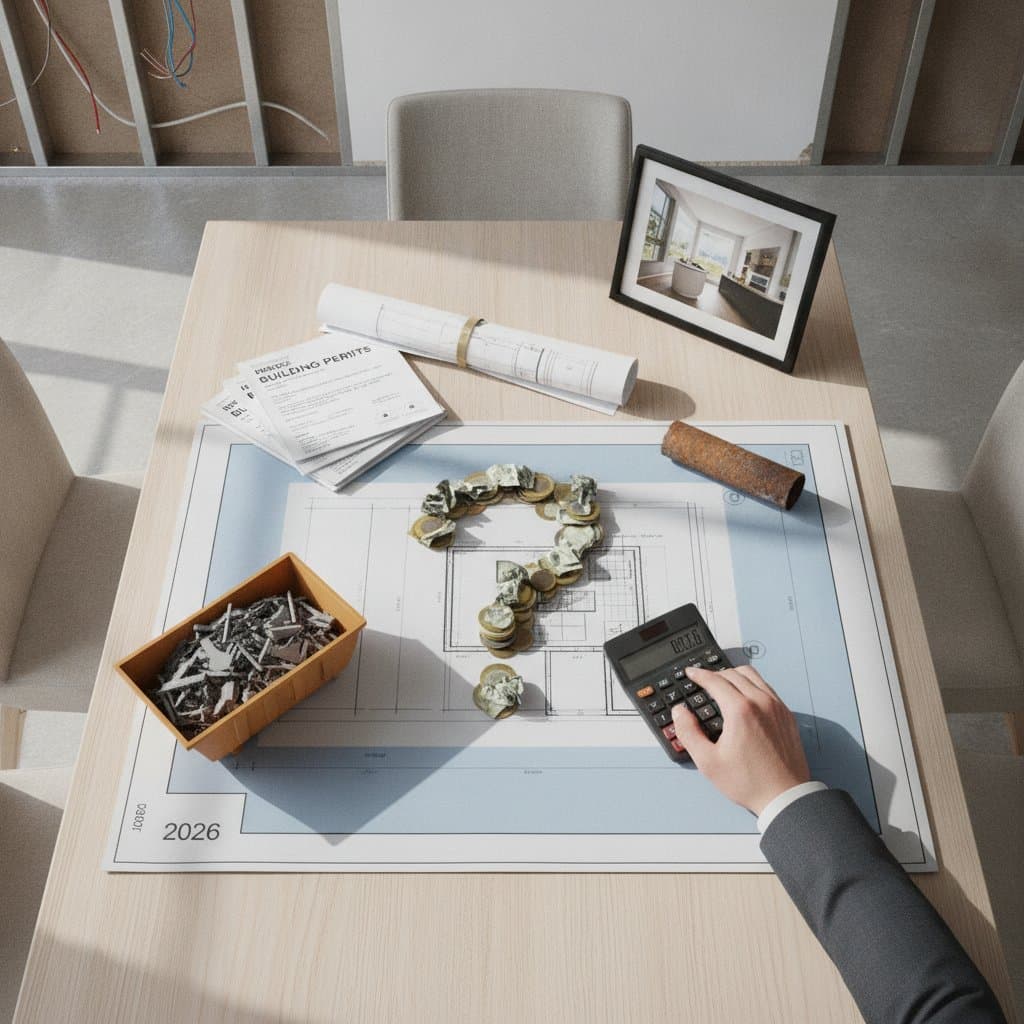
Freight and delivery charges now include fuel adjustments on many orders. Grouping purchases from single suppliers reduces repeated fees. Permit costs have risen in many areas and require early verification to avoid schedule delays.
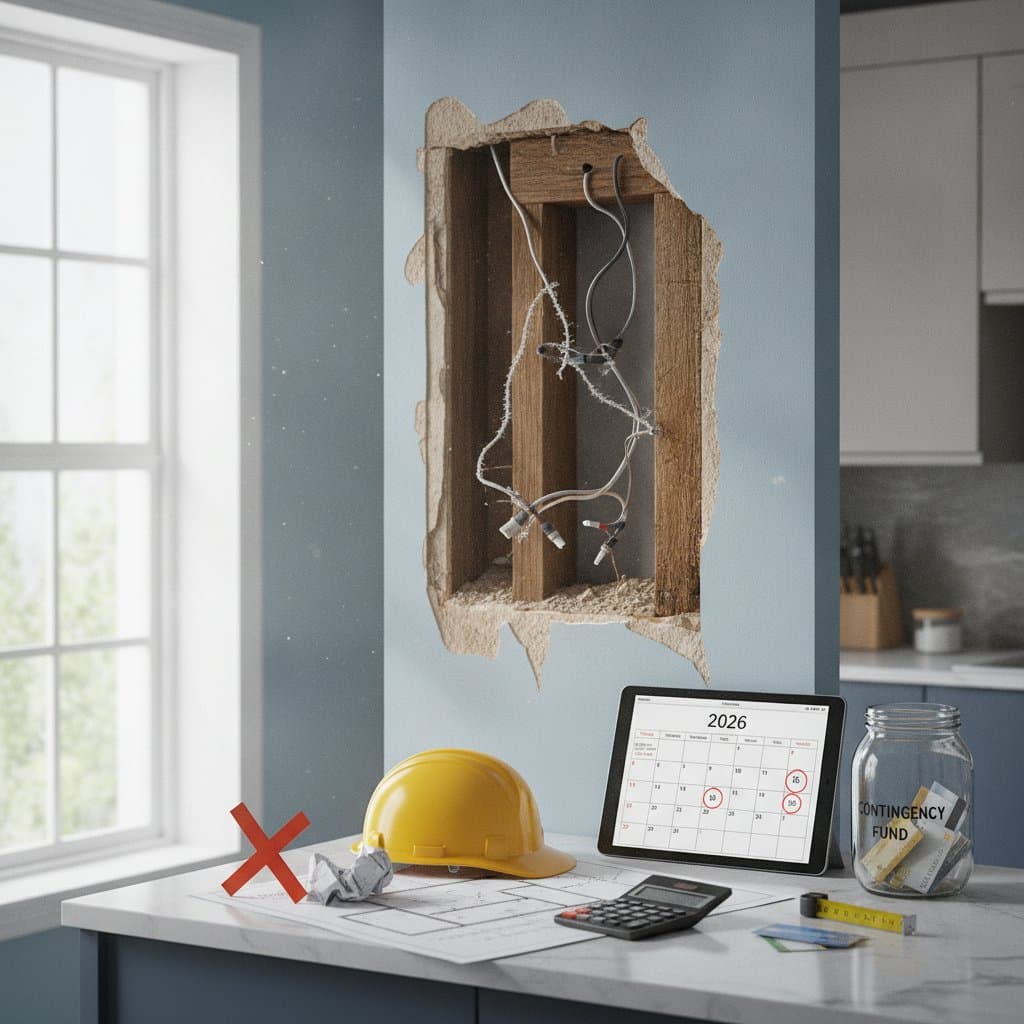
A contingency allocation of ten to fifteen percent covers material substitutions or extended timelines.
Budget Management Approaches
- Address structural needs, plumbing updates, and insulation before decorative elements.
- Obtain three or more detailed bids to compare material and labor breakdowns.
- Apply premium materials in visible focal points and standard options in supporting areas.
- Schedule work during slower contractor periods when pricing flexibility may exist.
- Refinish existing cabinets or update hardware to refresh spaces without full replacement.
Project Execution Outcomes
Intentional selections across materials and timing produce functional spaces that align with both current needs and long term value. Each decision contributes to a completed project delivered within planned resources.