
Uncover Hidden Remodel Costs Impacting 2025 Budgets
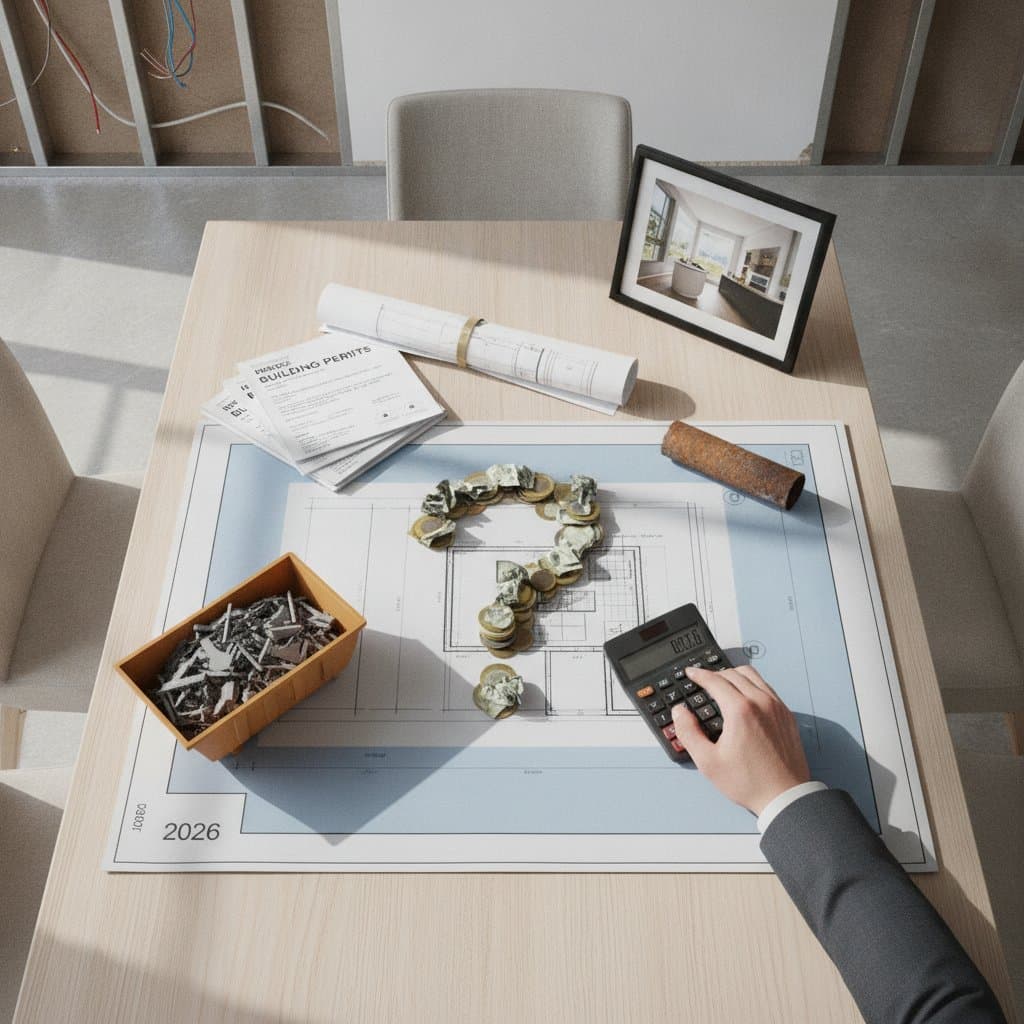
Recent data from leading home design platforms indicates a significant increase in searches related to unexpected remodeling expenses and concealed renovation fees. Homeowners discover that creating appealing living spaces often involves unforeseen financial demands. These range from structural issues concealed within existing walls to shifts in material availability, which challenge even the most meticulously planned budgets. This guide identifies prevalent hidden costs that elevate expenses and provides practical design approaches to maintain project momentum.
Professionals who have managed renovations in compact urban kitchens recognize how additional enhancements can disrupt initial financial projections. The purpose of this resource is to equip readers with foresight into authentic transformation expenses, ensuring that envisioned designs remain visually striking and economically viable.
1. Structural Surprises
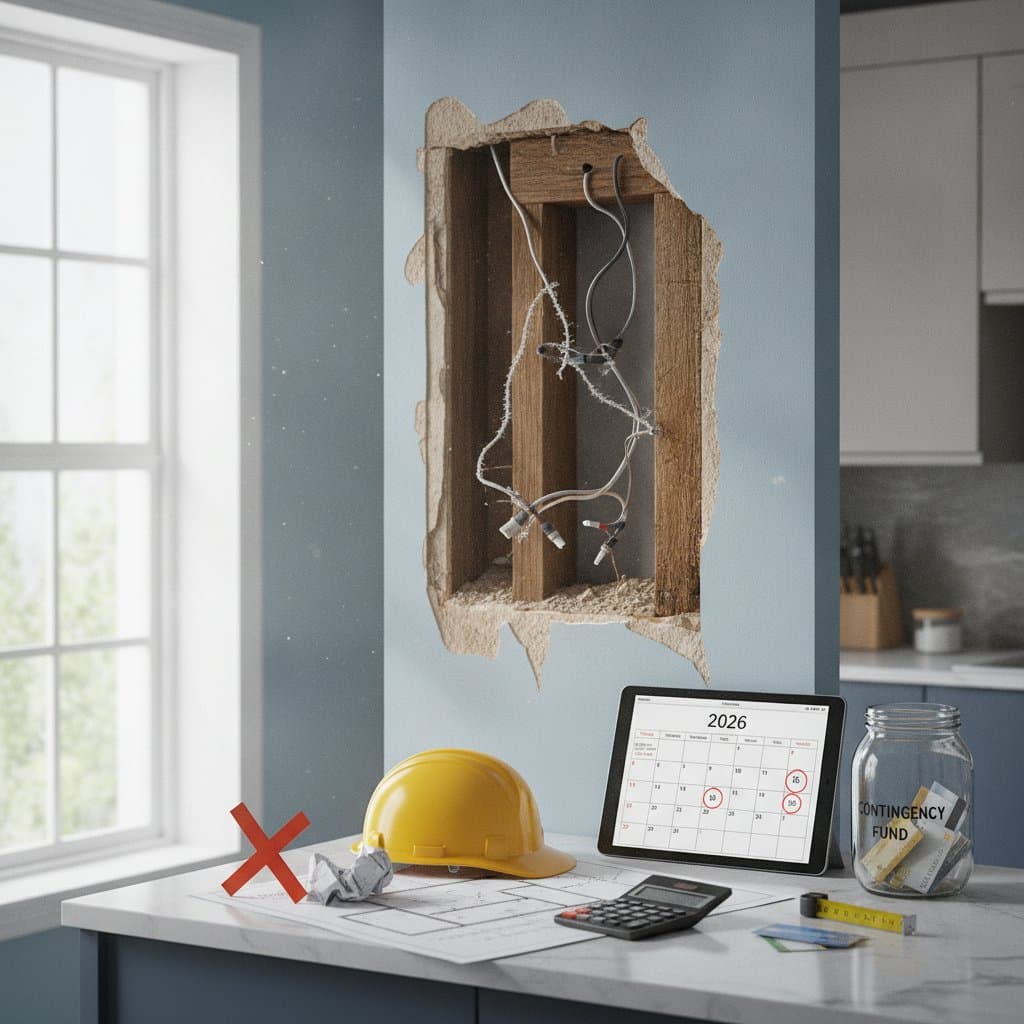
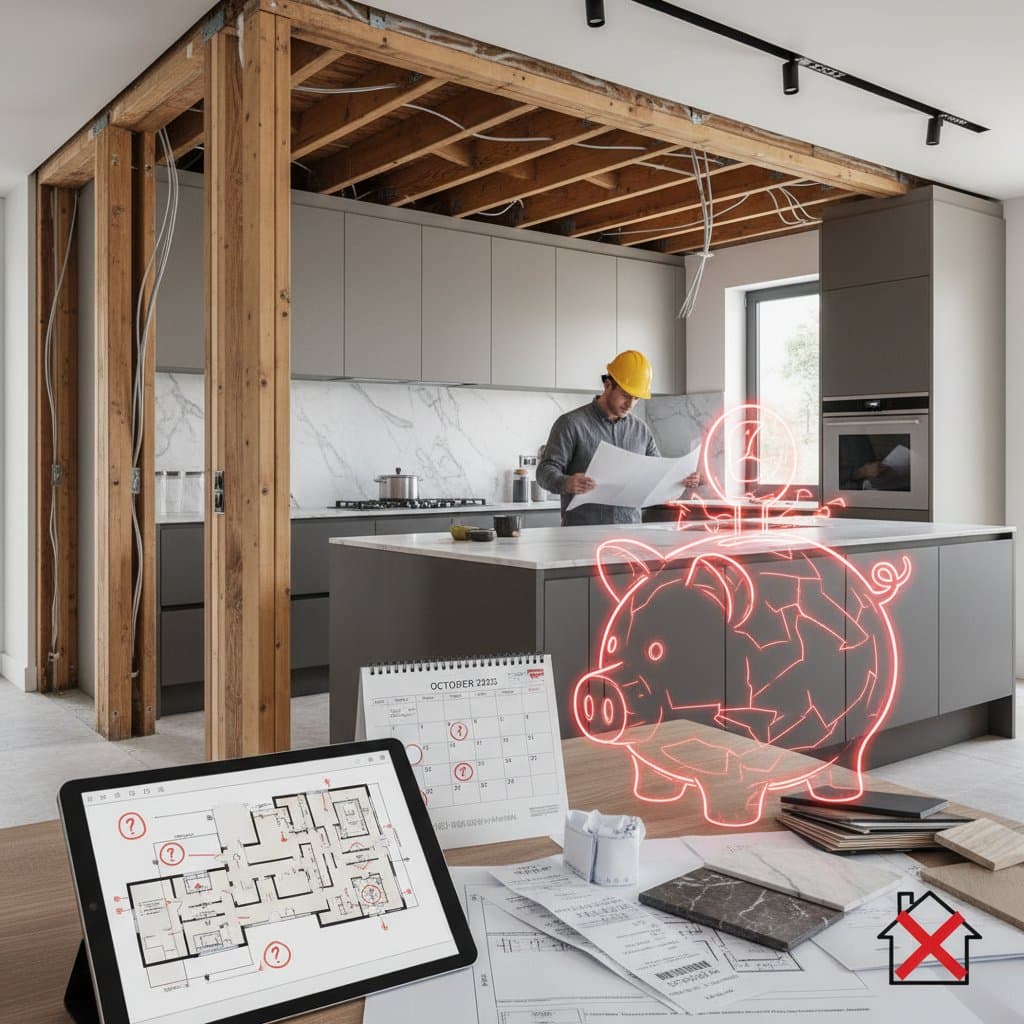
Demolishing walls or floors frequently uncovers issues such as outdated framing, asbestos insulation, or foundation cracks that demand immediate attention. In a Chicago loft project overseen by Urban Nest Designs, workers found weakened joists beneath a planned open-concept living area, necessitating reinforcement before proceeding with installation.
Materials: Engineered lumber beams, galvanized steel brackets.
Design Strategy: Architects incorporated exposed beams as a rustic element, blending repair work into the overall aesthetic without additional covering.
Functional Benefit: Enhanced structural integrity supports heavier fixtures and long-term stability.
Visual Impact: The visible beams add industrial character, complementing polished concrete floors and creating a cohesive modern vibe.
Homeowners benefit from conducting preliminary inspections through licensed engineers to identify potential structural concerns early, thereby allocating funds appropriately and avoiding project halts.
2. Permit and Code Updates
Building regulations change periodically, and compliance often requires modifications not anticipated in initial designs. A bathroom renovation in Austin, Texas, executed by Studio 8 Architects, involved upgrading electrical systems to align with contemporary safety protocols, including rewiring for vanity lights and installing a specialized exhaust system for inspection approval.
Materials: Dimmable LED fixtures, matte black conduit piping.
Design Strategy: Designers concealed updated wiring behind floating vanity mirrors to uphold a minimalist appearance.
Functional Benefit: Improved electrical safety and superior ventilation reduce risks and enhance comfort.
Visual Impact: Subtle lighting accentuates the intricate zellige tile backsplash, transforming the space into an elegant, illuminated retreat.
Securing permits and verifying code adherence from the outset safeguards the property while controlling initial expenditures. Consult local authorities or professionals prior to finalizing blueprints to integrate these requirements seamlessly.
3. Project Delays
Unexpected delays from weather, material shortages, or subcontractor availability can extend timelines and inflate labor charges. A coastal California home update by Pacific Edge Studio faced a three-week postponement due to rain-damaged exterior work, which increased costs for protective coverings and rescheduling crews.
Materials: Weather-resistant composite siding, UV-protected sealants.
Design Strategy: The team selected modular components that allowed interior progress to continue independently of outdoor phases.
Functional Benefit: Streamlined scheduling minimizes overall disruption and preserves workflow efficiency.
Visual Impact: Durable siding maintains a crisp, ocean-inspired palette, resisting fading and ensuring lasting curb appeal.
To mitigate delays, establish buffer periods in the project schedule and select suppliers with proven reliability. Detailed contingency planning helps absorb these interruptions without derailing the budget.
4. Utility Relocations
Adjusting plumbing, electrical, or HVAC lines to accommodate new layouts often escalates expenses through added labor and materials. In a Seattle bungalow renovation directed by Noma Studio, repositioning the kitchen sink to align with a fresh window involved navigating pipes through the subfloor and modifying the drainage assembly.
Materials: Copper piping, durable porcelain farmhouse sink.
Design Strategy: Flexible connectors minimized invasive demolition, safeguarding the heritage oak flooring.
Functional Benefit: Optimized sink positioning enhances daily efficiency and maximizes natural illumination.
Visual Impact: Sunlight dances across the glossy ceramic tiles, fostering a bright and inviting atmosphere.
For any reconfiguration affecting utilities, obtain comprehensive cost projections from designers and contractors prior to implementation. This step ensures informed decisions that balance functionality with fiscal responsibility.
5. Finishing Touches and Incidentals
Final details like painting, trim installation, and hardware selection accumulate costs that surpass initial estimates. A Denver townhouse refresh by Summit Interiors revealed that custom crown molding and specialty paints for accent walls doubled the allocated finishing budget due to precise craftsmanship demands.
Materials: Eco-friendly low-VOC paints, carved hardwood moldings.
Design Strategy: Pre-select finishes during the planning stage to coordinate with core elements and avoid last-minute sourcing.
Functional Benefit: High-quality finishes provide durability and ease of maintenance over time.
Visual Impact: Layered textures and subtle color variations elevate plain surfaces into sophisticated focal points.
Budget an additional 10 to 15 percent for these elements and prioritize them in the design phase. Reviewing samples early prevents costly revisions at completion.
6. Design Revisions and Mid-Project Changes
Incremental modifications during construction can cascade into substantial additional fees for labor and adjustments. In a Brooklyn apartment overhaul by Atelier Ten, replacing a standard slab door with a bespoke walnut pivot version altered framing specifications and introduced new hardware needs, extending carpentry time.
Materials: Solid walnut veneer panels, satin brass pivot hinges.
Design Strategy: The pivot mechanism facilitated fluid transitions between living and dining areas.
Functional Benefit: Unobstructed pathways improve navigation and optimize furniture arrangements.
Visual Impact: The door's intricate grain pattern introduces organic warmth against neutral backdrops, enhancing transitional spaces.
Evaluate the broader implications of any alteration, including effects on materials, workforce, and timelines, before approval. Documenting changes in writing maintains clarity and accountability.
7. Material Price Fluctuations
Volatility in supply chains leads to unexpected hikes in costs for essentials like lumber or fixtures. A Miami condo renovation by Tropical Forge Design encountered a 20 percent rise in quartz countertop prices midway, prompting a switch to alternative sourcing.
Materials: Recycled quartz slabs, stainless steel edging.
Design Strategy: Designers locked in prices through early contracts and explored sustainable substitutes.
Functional Benefit: Stable pricing supports consistent quality without compromising performance.
Visual Impact: The veined quartz surfaces mimic marble elegance, brightening the kitchen with reflective sheen.
Monitor market trends and secure quotes with validity periods to buffer against fluctuations. Diversifying suppliers adds flexibility in procurement.
8. Living Expenses During the Remodel
Disruptions necessitate temporary accommodations, meals away from home, and pet care, which erode contingency reserves. Clients in a Portland mid-century modern update by Fieldwork Design relocated to a furnished rental for two months during flooring acclimation, with housing fees depleting a significant budget portion.
Materials: Select white oak planks, low-sheen polyurethane coating.
Design Strategy: Application of rapid-cure finishes shortened occupancy displacement while upholding resilience.
Functional Benefit: Resilient flooring withstands wear and requires minimal upkeep.
Visual Impact: The subdued sheen accentuates the wood's inherent patterns, anchoring the expansive layout with earthy tones.
Factor in these personal costs by setting aside a dedicated fund and exploring phased construction to limit inhabitable disruptions. This preparation sustains well-being throughout the process.
Strategies for Budget Control in Renovations
Individuals passionate about revitalizing classic pieces appreciate that enduring interiors arise from thorough foresight and deliberate pacing. Renovations inspire rather than overwhelm when potential pitfalls are addressed proactively. By grasping the origins of concealed expenses, readers empower themselves to steer projects effectively and embrace each decision with assurance.