
Safeguarding Your 2025 Remodel Budget from Hidden Costs
Imagine committing to a long-awaited kitchen overhaul. You select ideal countertops, hire a trusted professional, and assemble a comprehensive design plan. Yet, when the initial billing statement arrives, unforeseen expenses erode your enthusiasm. Homeowners frequently encounter this scenario, where meticulous planning meets the reality of concealed charges.
Preparation transforms these challenges into manageable elements. For projects ranging from bathroom refreshes to full-home updates, recognizing potential pitfalls empowers you to maintain oversight of aesthetics and finances alike. In 2025, with rising material demands and regulatory shifts, proactive measures become essential to a seamless experience.
1. Permits, Fees, and Inspections
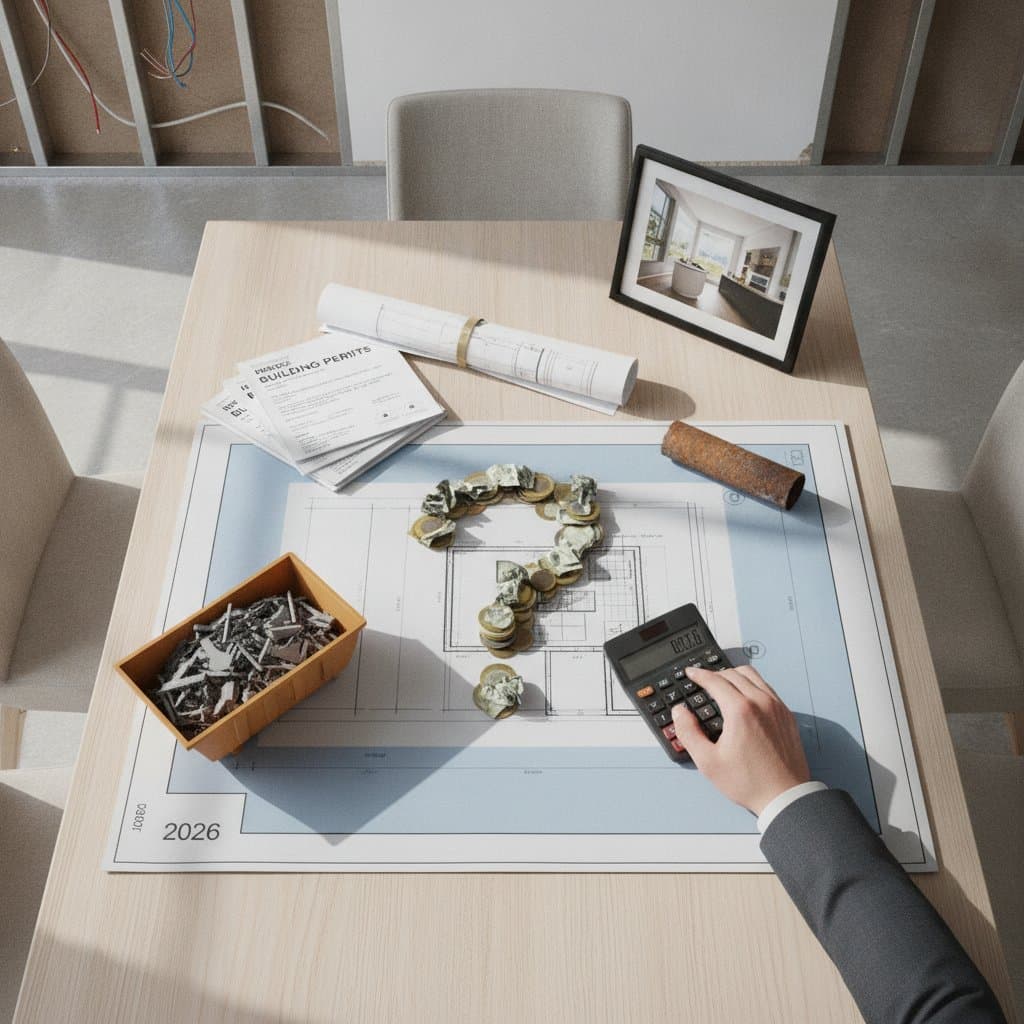
Local regulations often demand permits for modifications involving electrical systems, plumbing lines, or structural elements. Homeowners overlook these requirements in early estimates, leading to abrupt financial demands. Costs differ by location and scale; for instance, a basic electrical update might incur $300 in fees, while extensive additions could exceed $2,000.
Fines for non-compliance reach thousands, and unpermitted work complicates future property sales. Inspections, scheduled at key stages, verify adherence to safety standards and building codes.
Preparation steps include:
- Contact your municipal building office early to identify mandatory approvals.
- Request a detailed permit breakdown from your contractor and allocate 5 to 10 percent of your total budget for these items.
- Factor in potential delays from inspection scheduling, which might add one to two weeks and corresponding labor expenses.
Compliance not only shields your investment but also upholds the structural integrity and safety of your living space.
2. Disposal and Cleanup Costs
Demolition generates substantial waste, from shattered tiles to outdated cabinetry. Homeowners rarely anticipate the expenses tied to debris management, including rental dumpsters that cost $400 to $800 for a standard week-long project. Labor for sorting and transporting materials further inflates the total.
In larger endeavors, such as kitchen or bathroom overhauls, volume accumulates rapidly, potentially doubling cleanup outlays if not addressed upfront. Environmental considerations also influence disposal methods, with landfills charging premium rates for certain refuse.
Preparation steps include:
- Confirm that your contractor's proposal encompasses waste hauling and disposal fees explicitly.
- Explore recycling programs for salvageable items like fixtures or lumber, which can offset costs through rebates or free collection services.
- Maintain daily site organization to minimize end-of-project cleanup time and associated charges.
Thoughtful waste handling concludes your remodel efficiently, promotes sustainability, and prevents unexpected additions to your final invoice.
3. Fluctuating Material Prices
Supply chain dynamics and global events drive volatility in pricing for essentials like lumber, tiles, and fixtures. A project delayed by even a month might face a 10 to 20 percent hike in costs, particularly for imported goods affected by tariffs or shortages in 2025. Selection finalization without prompt procurement invites these risks.
Custom orders exacerbate the issue, as production timelines extend amid high demand. Backup planning proves crucial when preferred options vanish from availability.
Preparation steps include:
- Secure pricing through advance purchases or fixed-rate supplier agreements once designs solidify.
- Inquire about delivery schedules for specialized components to align with construction phases.
- Compile a roster of comparable substitutes, evaluating both quality and expense to sustain momentum.
Vigilant material management preserves your creative intent, averts rushed decisions, and stabilizes the overall expenditure.
4. Finishing Touches That Accumulate Expenses
The culmination of a remodel involves numerous small elements that collectively strain resources. Items such as door handles, crown molding, sconces, and specialty paints often total $1,000 or more, surprising those who view them as minor add-ons. These components define the space's character yet demand careful allocation.
Overlooking them leads to hasty, costlier acquisitions at project close. Balancing premium features with economical choices requires foresight.
Preparation steps include:
- Develop an exhaustive inventory of all concluding details, from switch plates to shelving hardware.
- Source strategically by investing in statement pieces while opting for affordable alternatives in less prominent areas.
- Monitor expenditures via a dedicated tracker to cap outlays and identify savings opportunities.
This phase realizes your vision with elegance. Advance planning yields a refined outcome that aligns with fiscal boundaries.
5. Securing a Comprehensive Contract
Ambiguous terms foster disputes over scope, timelines, and responsibilities. A robust agreement delineates labor rates, material specifications, and milestone payments, mitigating escalation from misinterpretations. In 2025, with labor shortages, clear clauses prevent opportunistic upcharges.
Exclusions, such as unforeseen repairs, must appear explicitly to allow independent budgeting.
Preparation steps include:
- Document all aspects in writing, encompassing schedules, supplier details, and post-completion guarantees.
- Require a section outlining omitted elements, enabling you to reserve funds accordingly.
- Scrutinize the document thoroughly prior to endorsement, seeking clarification on ambiguities.
Such documentation fosters mutual understanding, streamlines progress, and safeguards against financial discrepancies.
Realizing Lasting Value from Your Remodel
With completion, the benefits of diligent foresight emerge clearly. Your updated environment reflects thoughtful choices that enhance daily comfort and property worth.
Retain organized files of purchases, invoices, and assurances for ongoing maintenance or resale preparation. Future undertakings benefit from this foundation, streamlining decisions and cost projections.
Integrating innovation with fiscal discipline elevates living spaces beyond mere updates. Your home evolves into a more functional, enjoyable haven, rewarding the effort invested in strategic planning.