
The Real Costs of a 2026 Open-Concept Kitchen Remodel
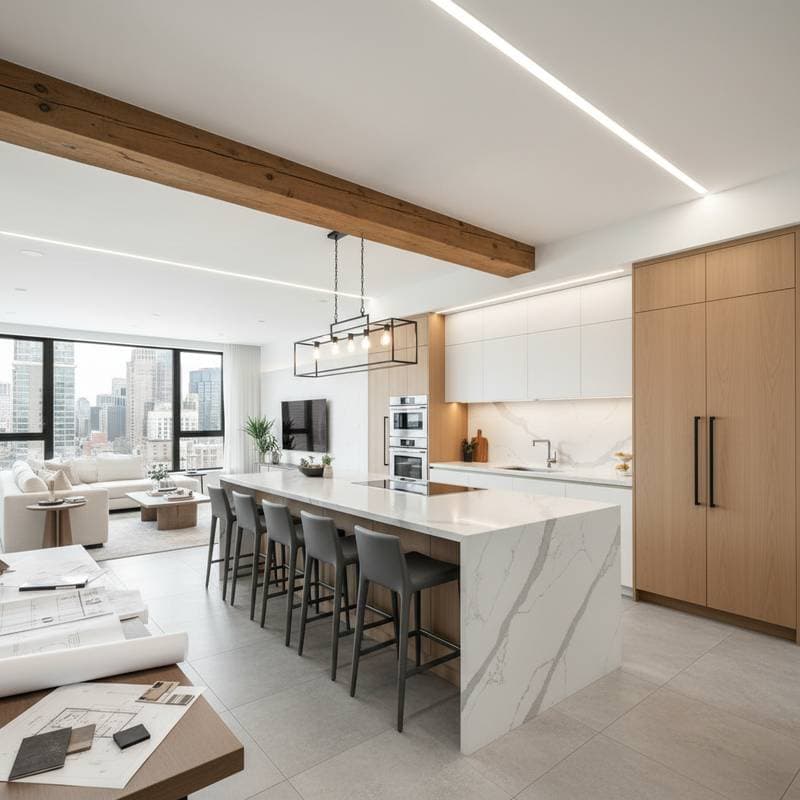
Recent home design data from major remodeling platforms indicates that open-concept kitchens remain at the top of renovation wish lists. More than half of homeowners searching for kitchen ideas save images that showcase sightlines linking the cooking area to living or dining spaces. These layouts create brighter, more social environments that facilitate easier movement. However, the appealing visuals often conceal a complex cost structure that surprises even seasoned homeowners.
This guide details the actual expenses involved in an open-concept kitchen remodel, covering wall removal, structural modifications, materials, finishes, and professional services. Readers gain insight into how the freedom of a unified space intersects with construction realities. As a designer residing in a 1940s bungalow surrounded by mid-century chairs, the author has managed DIY updates and complete contractor projects. Every endeavor underscores that an open plan demands equal attention to engineering and aesthetics.
Structural Changes and Wall Removal
Hook: Removing load-bearing walls opens the space but requires precise engineering to maintain home integrity.
Context: In a Boston rowhouse project, designer Elena Vasquez reinforced a central wall to support the upper floor while creating a seamless flow to the adjacent living room.
Designer Credit: Vasquez Interiors.
Materials: Steel beams, reinforced concrete footings.
Design Strategy: Vasquez integrated a hidden steel I-beam into the ceiling design, camouflaged by wood paneling to preserve visual continuity.
Functionality: Proper reinforcement prevents sagging or cracks, ensuring long-term stability for the entire home structure.
Visual Impact: The absence of barriers enhances spatial volume, making the area feel larger and more inviting.
Cost Insight: Structural work forms the foundation of any open-concept remodel and typically ranges from $10,000 to $25,000 in 2026, depending on wall complexity and engineering needs. Permits and inspections add 10 to 15 percent to these figures.
Electrical and Plumbing Updates
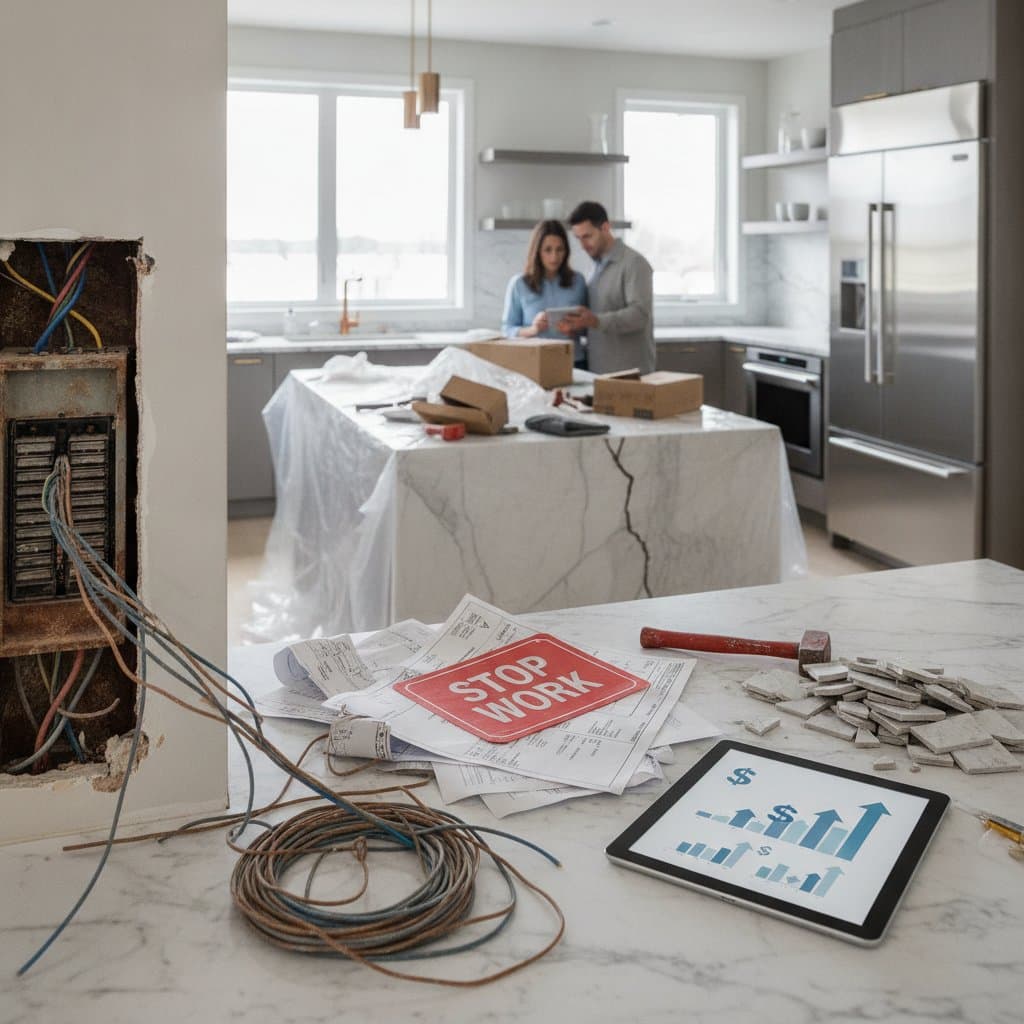
Hook: With walls demolished, concealed systems require immediate reconfiguration.
Context: During a suburban renovation near Chicago, designer Grant Holloway rerouted electrical wiring and the primary water line to accommodate the expanded layout.
Designer Credit: Holloway Design Studio.
Materials: Recessed LED lights, brushed brass plumbing fixtures.
Design Strategy: Holloway modernized the lighting scheme during this phase. LED downlights deliver uniform brightness throughout the larger room, complemented by brass elements for subtle warmth.
Functionality: Repositioning outlets, switches, and pipes promotes safety and usability. Many homeowners overlook this step, though it defines the space's daily efficiency.
Visual Impact: Smooth ceiling surfaces and unobtrusive lighting highlight the architecture while reinforcing openness.
Cost Insight: These upgrades often account for 15 to 20 percent of the total budget. Each rerouted line increases labor time, and adherence to updated building codes may prolong the schedule, pushing costs to $8,000 to $15,000.
Flooring and Countertop Choices
Hook: Unified flooring ties the open areas together, while durable counters withstand heavy use.
Context: In a Seattle mid-century modern update, designer Marcus Lee selected wide-plank oak flooring to bridge the kitchen and family room seamlessly.
Designer Credit: Lee Modern Designs.
Materials: Engineered hardwood planks, recycled glass countertops.
Design Strategy: Lee chose low-maintenance, water-resistant materials that extend visual flow without transitions. The counters feature integrated sinks for a streamlined appearance.
Functionality: These selections support high-traffic demands, with easy-to-clean surfaces that resist stains and scratches.
Visual Impact: Continuous flooring creates a sense of expanse, while textured counters add subtle interest under lighting.
Cost Insight: Flooring installation averages $6,000 to $12,000 for 400 square feet, including subfloor preparation. Countertops range from $4,000 to $10,000, with premium options like quartz or sustainable composites driving higher expenses in 2026 due to material inflation.
Cabinetry and Layout Redesign
Hook: Without walls, storage solutions must adapt to support both form and function.
Context: For an Atlanta townhouse, designer James Porter substituted upper cabinets with open shelving to sustain clear sightlines.
Designer Credit: Porter & Co. Interiors.
Materials: Rift-cut white oak shelves, satin brass supports.
Design Strategy: Open storage paired with base-level cabinetry maintains an airy feel. Porter incorporated deep drawers for utensils and a central island with integrated features.
Functionality: The island includes concealed waste bins and a charging dock, serving as a multifunctional hub for preparation and socializing.
Visual Impact: Minimalist shelves display dishware as artistic elements, enhancing the room's gallery-like quality.
Cost Insight: Custom cabinetry constitutes a major outlay, often $15,000 to $30,000. Layout shifts that affect plumbing or appliances can elevate prices by 20 percent or more.
Appliance Integration and Efficiency
Hook: Appliances must align with the open design, prioritizing energy savings and seamless integration.
Context: In a Portland bungalow remodel, designer Sofia Ramirez embedded professional-grade appliances into cabinetry for a built-in look.
Designer Credit: Ramirez Home Studios.
Materials: Stainless steel range hood, smart induction cooktop.
Design Strategy: Ramirez selected ENERGY STAR-rated models that vent externally to avoid noise in the open space. Panel-ready refrigerators blend with cabinet faces.
Functionality: Quiet operation and smart controls allow multitasking without disruption, while efficient models reduce utility bills.
Visual Impact: Flush installations maintain clean lines, keeping the focus on the overall architecture.
Cost Insight: Appliance packages total $10,000 to $25,000 in 2026, with installation adding $2,000 to $5,000. Upgrades to smart or eco-friendly units justify the investment through long-term savings.
HVAC and Acoustic Adjustments
Hook: Open designs demand even climate control and noise management for comfort.
Context: In a Minneapolis project, designer Lena Hart adjusted ductwork to ensure consistent airflow across the merged kitchen and living zones.
Designer Credit: Hart & Willow Studio.
Materials: Linear steel diffusers, sound-absorbing ceiling panels.
Design Strategy: Linear vents provide silent air circulation, paired with panels over dining areas to dampen echoes from meals or gatherings.
Functionality: The setup delivers year-round comfort and reduces sound buildup during use.
Visual Impact: Subtle vents and textured ceilings uphold a sleek, contemporary style.
Cost Insight: These changes, frequently ignored initially, range from $5,000 to $12,000. Duct modifications or acoustic additions depend on the area's scale and can prevent costly post-construction fixes.
Finishes, Fixtures, and Final Touches
Hook: Thoughtful finishes and furnishings bring the open concept to life through texture and cohesion.
Context: For a San Diego renovation, designer Lauren Aoki developed a coastal scheme of whites and blues linking kitchen, dining, and lounge areas.
Designer Credit: Aoki Design Works.
Materials: Glossy white zellige tile, brushed nickel accents.
Design Strategy: Handcrafted tile backsplashes contrast with sleek quartz surfaces, introducing depth without excess.
Functionality: Resilient, low-maintenance materials simplify upkeep in busy zones.
Visual Impact: Variations in gloss and matte finishes produce a soft glow that shifts with daylight.
Cost Insight: Finishes fluctuate greatly, from $3,000 for basic options to $15,000 for artisanal pieces. Balance high-end hardware or tiles with affordable alternatives to control spending.
Embracing the Open-Concept Lifestyle
An open-concept kitchen represents a deliberate lifestyle and design decision. It fosters connections through integrated cooking, dining, and relaxing. The rewards include enhanced family interactions and versatile use. Before proceeding, evaluate household routines. Frequent cooking and entertaining benefit most from full openness, while those seeking separation may opt for partial solutions like expanded openings or translucent dividers.
The author advises clients that superior open kitchens emphasize connection over exposure. In the author's compact setup, a half-wall to the dining room retains aromas yet permits dialogue. Such balances honor existing charm while introducing contemporary movement.
Detailed planning across structural, mechanical, and aesthetic elements converts expenses into enduring value. What starts as barrier removal evolves into a transformed home experience, blending utility with joy.