Hidden Storage Solutions That Maximize Kitchen Value in 2025
This article examines the most popular kitchen renovation images shared on leading design platforms this year. Homeowners increasingly favor storage options that integrate seamlessly into the design, such as toe-kick drawers and sliding pantry walls. Research indicates that kitchens featuring these concealed systems achieve returns on investment that reach double digits upon resale. The appeal lies in the balance of sleek aesthetics and practical utility. Buyers seek spaces that appear calm and organized while accommodating all essentials for everyday use.
The following nine innovative hidden storage concepts currently influence kitchen design trends. Each illustrates how precise craftsmanship and strategic planning elevate standard cabinetry into features that enhance property appeal and financial return.
1. Toe-Kick Drawers
Location: Seattle, Washington
Designer: Pacific Rim Kitchens
Low-profile drawers nestle beneath base cabinets, utilizing the often-overlooked toe-kick space. These compartments store flat items like baking sheets and cutting boards on full-extension glides. Crafted from matching maple with soft-close mechanisms, they maintain the cabinetry's clean lines. This solution proves ideal for compact urban kitchens, where every inch counts. Real estate professionals note that such efficient use of space impresses buyers and contributes to elevated home valuations.
2. Pantry Pocket
Location: Toronto, Ontario
Designer: Mason Grant Design Collective
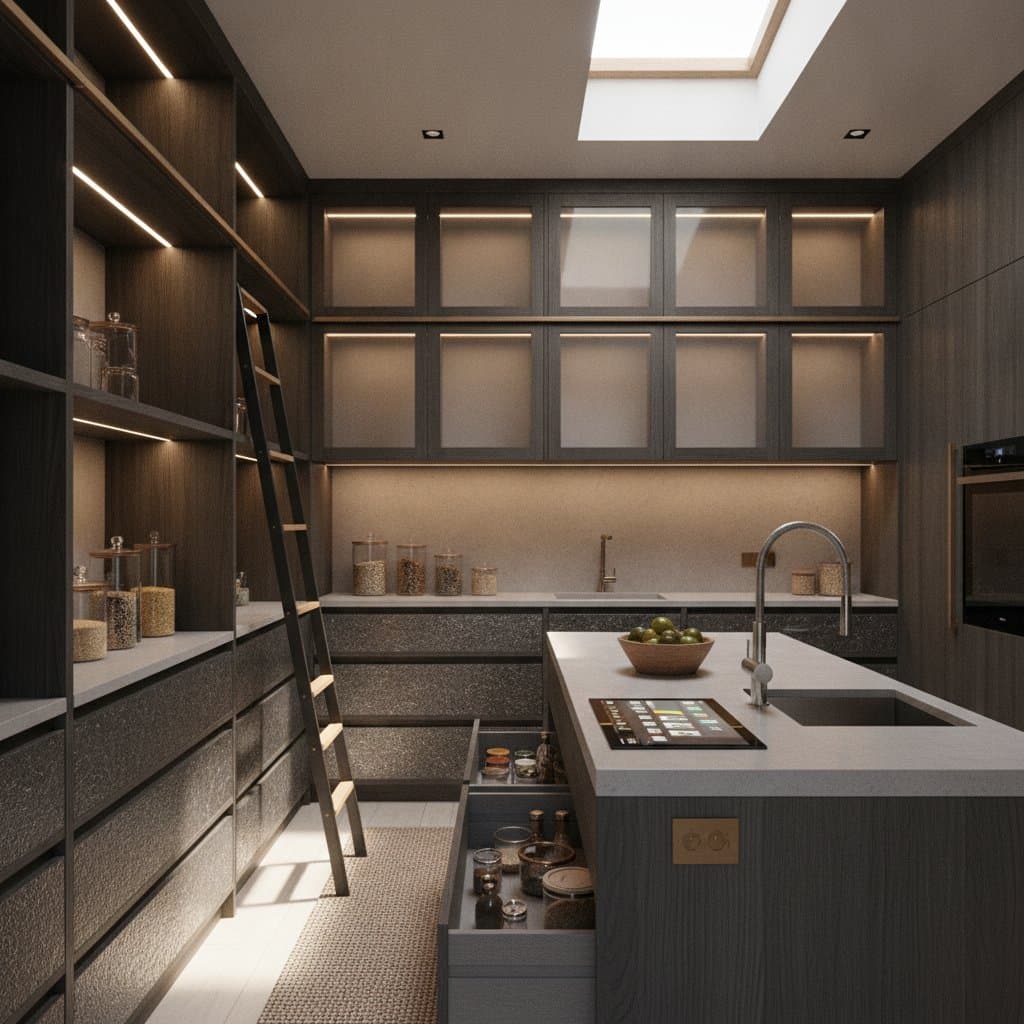
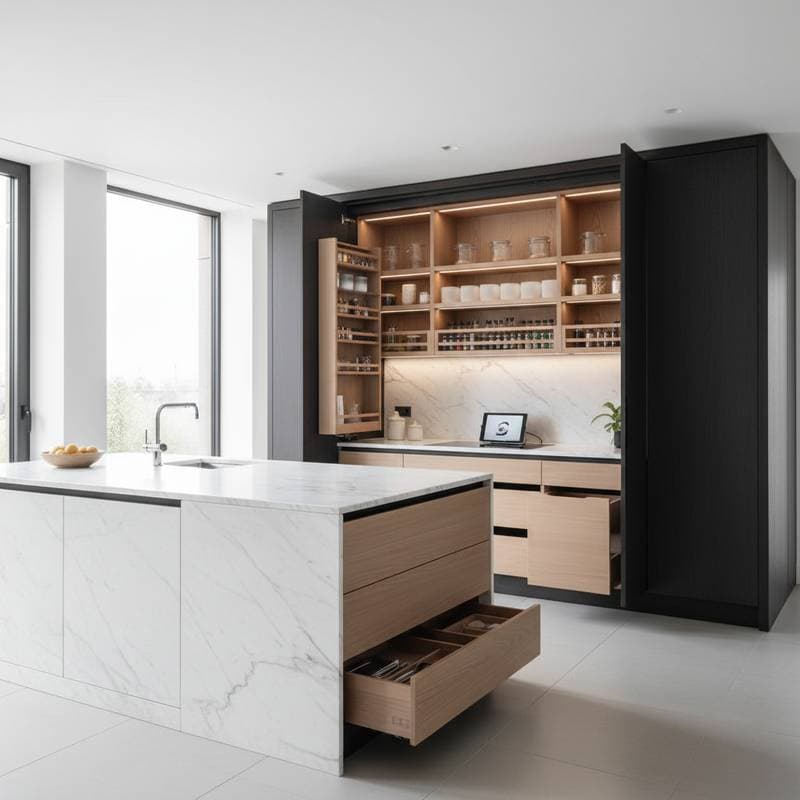
A concealed pantry emerges from what resembles a solid wall, gliding open via soft-close rails. Adjustable birch shelves paired with LED lighting ensure contents remain accessible without encroaching on the primary workspace. The exterior panels, finished in satin lacquer, blend perfectly with surrounding cabinetry to form an uninterrupted surface. This design promotes minimalism alongside functionality, making even smaller kitchens feel more spacious. Prospective buyers value the uncluttered appearance, which fosters greater confidence in the property's worth.
3. Pull-Out Spice Rack
Location: Austin, Texas
Designer: Lone Star Interiors
Narrow vertical drawers slide from within cabinet doors, organizing spices in tiered compartments with labeled dividers. Magnetic strips secure metal tins, preventing spills during motion. The oak construction matches the island cabinetry, preserving a cohesive look. This feature streamlines meal preparation in high-traffic areas. Agents observe that organized details like these signal thoughtful design, appealing to buyers who prioritize convenience and boosting overall kitchen assessments.
4. Appliance Garage
Location: Chicago, Illinois
Designer: Finch + Field Studio
A tambour door of reeded oak conceals small appliances such as blenders and toasters, while preserving access to electrical outlets. The interior extends the honed marble backsplash for visual continuity when open. This setup simplifies daily routines by hiding counter clutter without sacrificing usability. Professionals in real estate highlight how these elements uphold aesthetic harmony, leading to improved perceptions of space value.
5. Hidden Trash Recyclables
Location: Portland, Oregon
Designer: Greenleaf Design Group
A pull-out bin system integrates into the base cabinet beside the sink, featuring sorted compartments for waste and recycling. Odor-sealing lids and smooth glides facilitate easy access and disposal. The facade mimics adjacent doors in walnut veneer, ensuring no disruption to the cabinet layout. This practical addition reduces visible mess in busy households. Market data reveals that functional waste solutions enhance buyer satisfaction and support higher resale figures.
6. Ceiling Cabinets
Location: New York, New York
Designer: Anton Blake of Blake Atelier
Shallow cabinets hover just below the ceiling, storing infrequently used items behind push-latch panels that match the wall hue. An LED strip along the underside provides subtle illumination and accentuates height. This technique exploits vertical space in tight urban settings without overwhelming the room. Designers emphasize its role in creating airy atmospheres, which urban buyers find particularly compelling for premium pricing.
7. Under-Sink Organizer
Location: Miami, Florida
Designer: Tropical Homes Studio
Tiered pull-out trays maximize the awkward under-sink area, accommodating cleaning supplies and pots with adjustable dividers. Waterproof liners protect against leaks, and the system glides effortlessly on heavy-duty tracks. Finished to align with coastal cabinetry in white laminate, it conceals plumbing while adding utility. This innovation addresses common pain points, making kitchens more livable. Experts report that such targeted organization elevates the perceived quality of renovations.
8. Hidden Wine Niche
Location: Napa, California
Designer: Hollis & Reed Interiors
A pivoting panel in rift-cut oak reveals a climate-controlled wine storage area with brushed aluminum racks and recessed LED accents. This replaces cumbersome freestanding units, preserving the kitchen's streamlined profile. Collectors appreciate the discreet yet sophisticated display. The feature imparts a sense of luxury without excess, consistently driving up property appeal in competitive markets.
9. Magnetic Wall Panels
Location: San Francisco, California
Designer: Bay Area Craftworks
Disguised as decorative wall covering, perforated panels hold knives, utensils, and notes via embedded magnets. Positioned behind the cooktop, they utilize otherwise unused vertical space. The matte black finish coordinates with industrial cabinetry, blending functionality with style. This approach keeps tools within reach while maintaining a polished surface. Feedback from homeowners underscores how these subtle integrations improve workflow and contribute to lasting design value.
Factors Driving the Value of Concealed Kitchen Storage
Evidence connects hidden storage directly to enhanced kitchen return on investment across various project scales. These features heighten buyer engagement, mitigate visual disarray, and present advantageously in digital listings. In the real estate landscape, initial views often occur online, where orderly kitchens project greater worth.
Three primary elements explain this value increase:
-
Illusion of Ample Space
Concealed elements minimize visual barriers, suggesting expanded usable area. Clean counters and walls prompt buyers to envision more room for activities. -
Signs of Superior Craftsmanship
Seamless integrations indicate premium construction beyond basic setups. This perception of dedication influences bids toward higher amounts. -
Enhanced Everyday Functionality
Practical mechanisms like gliding drawers and organized zones facilitate smoother operations. Buyers connect emotionally with spaces that promise efficient living.
From experience renovating compact city kitchens, these understated elements surpass flashy materials in impact. A durable countertop catches the eye, yet intelligent storage secures long-term admiration. Incorporating a custom spice organizer in a personal project demonstrated how adaptable ideas suit diverse budgets and layouts.
Applying Hidden Storage for Lasting Benefits
Implementing these storage solutions fosters inherent organization in the kitchen. Belongings settle into designated spots, surfaces remain free, and tasks conclude more swiftly. Upkeep involves periodic lubrication of mechanisms, gentle wiping of lights with soft cloths, and periodic reconfiguration to match evolving needs.
Users frequently describe an intangible sense of ease from these designs. Reduced visual stimuli promote concentration and lessen routine pressures. Gradually, this tranquility defines the kitchen's character, enhancing the home's overall ambiance.
To begin a project, assess areas prone to accumulation and select compatible ideas from this list. Introducing one or two targeted features can redefine usability and future worth. The gains extend beyond monetary returns to enrich daily experiences.