

Watch Out for These Hidden Kitchen Remodel Fees in 2026
Data from major home improvement platforms show that kitchen remodels consistently rank among the most saved and pinned home projects online. Homeowners love the idea of a fresh, functional kitchen. Many overlook the hidden costs that can quietly inflate the final bill. With design trends leaning toward layered materials, custom cabinetry, and integrated appliances, it is easy to underestimate the behind the scenes expenses.
This guide highlights the most common hidden kitchen remodel fees. It explains how to prepare for them so that the renovation stays within budget.
1. Structural Surprises
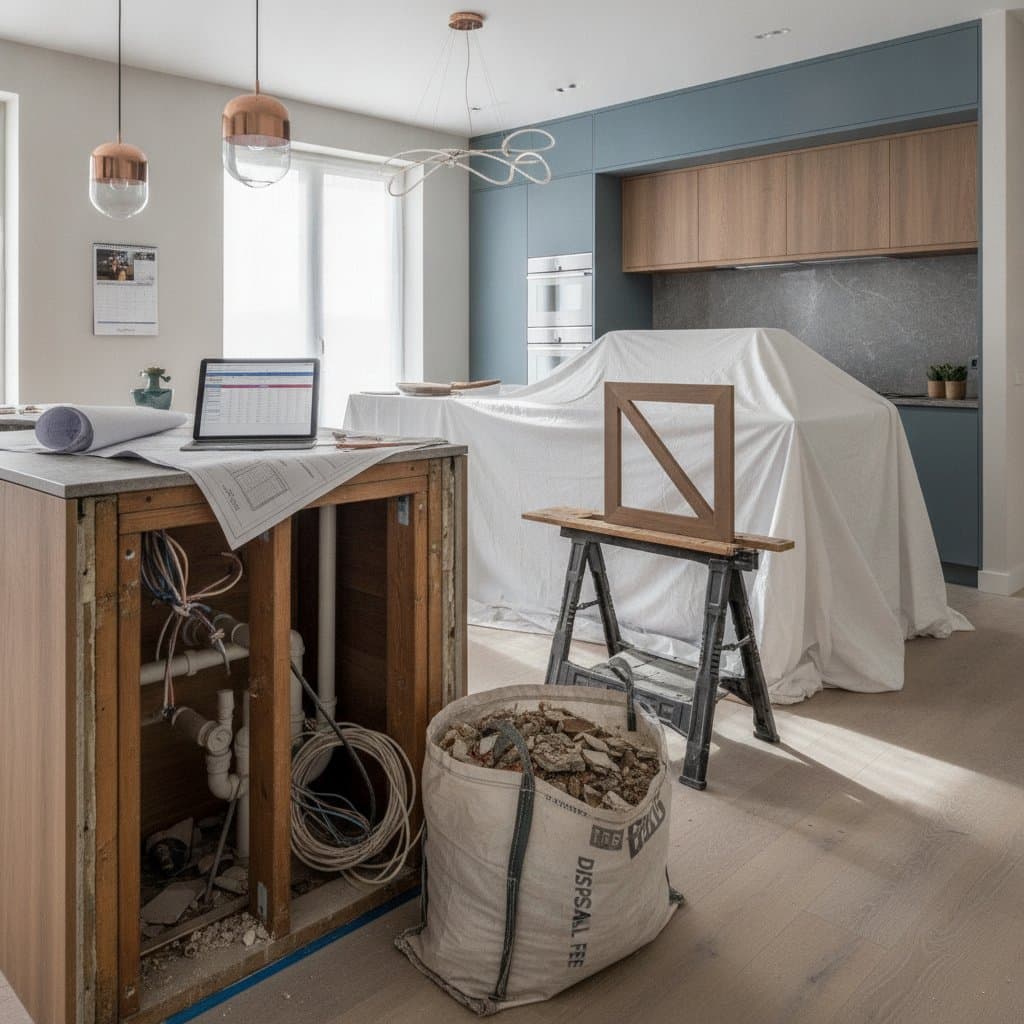
Opening up walls is a common goal in modern kitchen design. Once demolition begins, hidden structural issues often appear. In a recent remodel in Seattle, removing a non load bearing wall revealed outdated wiring and water lines that required full replacement. Materials included galvanized steel supports and new copper plumbing. These updates added days of labor and extra cost while improving safety and code compliance. Always include a contingency fund of at least ten percent for surprises behind the drywall.
2. Permit and Inspection Fees
Permitting requirements vary by city and can add hundreds or even thousands to a project. Homeowners often forget inspection fees for electrical and plumbing updates. In one downtown loft project, even simple changes like moving a sink triggered multiple inspections. Before work begins, ask the contractor for a list of required permits and estimated municipal fees.
3. Custom Cabinet Adjustments
Custom cabinetry brings personality to a kitchen. Even small layout changes can lead to unexpected expenses. During a remodel in Austin, the client new refrigerator measured two inches wider than the cabinet plan allowed. Adjustments required solid oak trim and new hardware drilling. These changes added both materials and labor. Always double check appliance dimensions before ordering cabinetry to prevent expensive rework.
4. Delivery and Storage Costs
Many homeowners assume that material delivery is included in the purchase price. Most suppliers charge separate fees for delivery, storage, or restocking. In a coastal renovation, handmade ceramic tiles and brass tapware arrived weeks early. Without on site storage, the team rented a climate controlled unit to protect materials from humidity. Ask vendors about storage timelines and negotiate consolidated shipments whenever possible.
5. Utility Upgrades
A kitchen remodel often exposes older electrical circuits or undersized plumbing that no longer meets modern standards. Outdated circuits could not handle new induction cooktops and LED lighting in one suburban bungalow project. Upgrades required 12 gauge wiring and energy efficient breakers. These changes increased both safety and performance. Have an electrician assess capacity before finalizing the design plan.
6. Disposal and Cleanup Fees
Hauling away debris and old fixtures rarely fits neatly into a contractor estimate. Removing the previous tile backsplash and laminate counters filled two dumpsters in a recent farmhouse project. Disposal fees plus the cost of eco friendly waste handling added several hundred dollars. Clarify who handles debris removal before signing the contract.
Prepare Thoroughly for Success
Budgeting for hidden remodel fees protects a wallet and reduces stress during construction. Keep a detailed spreadsheet. Review every line item with the contractor. Leave room for contingencies. A kitchen that feels both functional and beautiful is worth the effort when hidden costs receive proper attention upfront.