

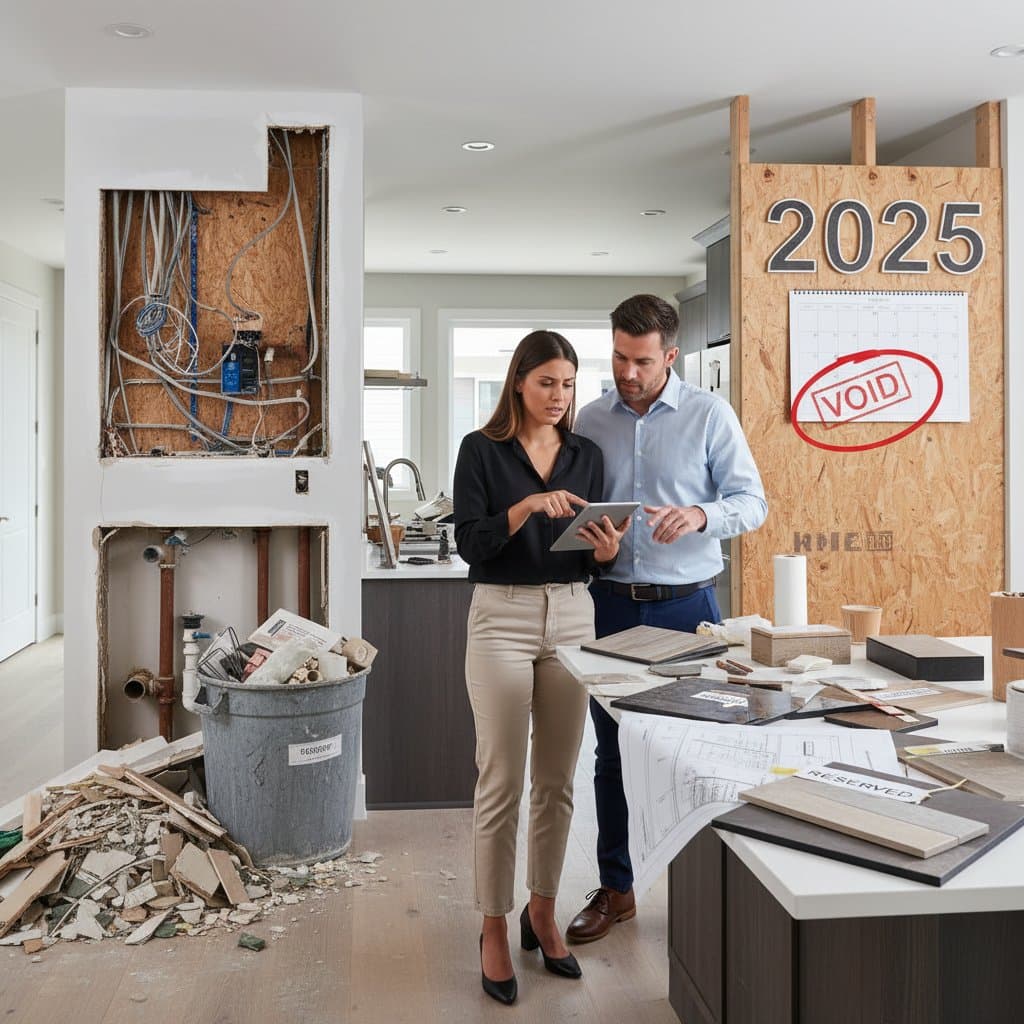
Unveiling Hidden Costs That Derail Home Remodel Budgets
The allure of a home remodel draws many into envisioning updated spaces filled with modern functionality and personal style. However, the process frequently uncovers expenses that extend far beyond initial estimates. Seasoned professionals emphasize that thorough preparation separates successful projects from those strained by financial surprises.
Personal accounts from homeowners highlight how even straightforward updates can escalate. One project intended as a simple kitchen refresh expanded into comprehensive electrical overhauls after inspections revealed safety hazards. Understanding these potential issues allows for better planning and fewer disruptions.
Identifying Concealed Infrastructure Challenges
Home structures hide essential systems that may require upgrades during renovations. Addressing them early prevents delays and ensures compliance with current building codes.
1. Outdated Electrical and Plumbing Systems
Wiring and pipes installed decades ago often fail to meet modern standards for safety and efficiency. For instance, aluminum wiring from the 1960s poses fire risks and may necessitate full replacement, costing between $8,000 and $15,000 for a typical home. Similarly, galvanized steel pipes prone to corrosion demand rerouting with copper or PEX alternatives, adding $4,000 to $10,000 depending on accessibility.
To mitigate these, schedule a professional inspection before demolition begins. Electricians can assess panel capacity and circuit loads, while plumbers evaluate water pressure and drain integrity. Budget at least 10 percent of your total for these upgrades, and obtain quotes from licensed contractors to compare options.
2. Structural Issues Revealed During Demolition
Non-load-bearing walls seem ideal for removal to open layouts, yet discoveries of supporting elements can halt progress. Load-bearing walls require engineered beams, such as laminated veneer lumber, installed by structural engineers at costs ranging from $2,000 to $5,000 per instance.
Foundation cracks or settling floors, common in older homes, might need underpinning or jacking, escalating expenses to $10,000 or more. Consult an architect or engineer during the design phase to map load paths. Use software tools or blueprints to simulate changes, and allocate funds for temporary shoring during work.
3. Waste Management and Disposal Expenses
Renovation debris accumulates rapidly, from drywall fragments to fixture remnants. Hiring a dumpster for a week averages $400 to $600, with permits adding $50 to $200 in urban areas. Overage fees for exceeding weight limits can double costs if not monitored.
Plan disposal by sorting materials onsite: recycle metals and wood to reduce landfill fees, potentially saving 20 percent. Partner with local facilities for bulk drop-offs, and track volume estimates based on square footage. For eco-friendly projects, seek haulers specializing in sustainable practices to align with 2025 green building trends.
Navigating Incremental and Lifestyle Expenses
Beyond core construction, ancillary costs accumulate through daily necessities and final customizations. Recognizing these helps maintain project momentum without compromising quality.
4. Disruptions to Daily Living
When essential areas like kitchens become unusable, alternative arrangements become necessary. Eating out for two weeks might total $1,000 for a family of four, while temporary housing in a nearby rental adds $2,000 to $4,000 monthly.
Prepare by identifying nearby amenities or storage solutions in advance. Rent portable appliances, such as induction cooktops, for $50 to $100 per month. Develop a timeline that sequences work to minimize downtime, perhaps completing rough-ins before holidays.
5. Accumulating Finishing Details
The final stages involve hardware and aesthetics that enhance usability. Cabinet pulls at $5 to $20 each multiply quickly for a full kitchen, reaching $500 easily. Lighting fixtures and paint touch-ups often exceed initial allotments by 15 percent as preferences evolve.
Create a detailed shopping list during planning, sourcing from multiple suppliers for deals. Set a fixed budget for these items, such as 5 percent of the total, and prioritize based on impact. Visit showrooms to visualize selections, avoiding impulse buys post-installation.
6. Inadequate Contingency Planning
Industry guidelines recommend 15 to 20 percent of the budget as a reserve for unknowns. Yet many allocate only 5 to 10 percent, leading to rushed decisions or project halts when issues arise, like subfloor rot requiring $3,000 in repairs.
Build your contingency by reviewing historical data from similar projects via contractor associations. Track expenses weekly using spreadsheets to adjust allocations dynamically. If funds deplete, prioritize safety and functionality over cosmetics to stay on course.
Strategies to Fortify Your Renovation Budget
Hidden costs challenge every remodel, yet proactive measures transform potential setbacks into manageable elements. Start with comprehensive site assessments involving multiple specialists to forecast expenses accurately.
Document all agreements in writing, including change order protocols that outline approval processes and cost impacts. Regularly review progress with your team to catch deviations early. Upon completion, the sense of accomplishment stems from navigating these realities with foresight.
Consider your own experiences or upcoming plans. Document lessons from past projects to refine future approaches, fostering a community of informed homeowners ready for 2025's renovation demands.