
What No One Tells You About 2026 Kitchen Remodel Costs
A kitchen remodel in 2026 often begins with selections for finishes and layouts. The process quickly reveals expenses that extend beyond initial selections. These costs arise from structural requirements, utility upgrades, and project expansions that surface during demolition.
Homeowners benefit from identifying these factors early. Planning accounts for both visible upgrades and concealed conditions that affect timelines and totals.
The Dream Versus Practical Outcomes
Initial plans focus on aesthetics such as cabinet colors and countertop materials. Execution requires coordination of permits, inspections, and material lead times. Budgets expand when existing conditions demand corrections before new installations proceed.
Common Budget Impacts
Electrical Upgrades
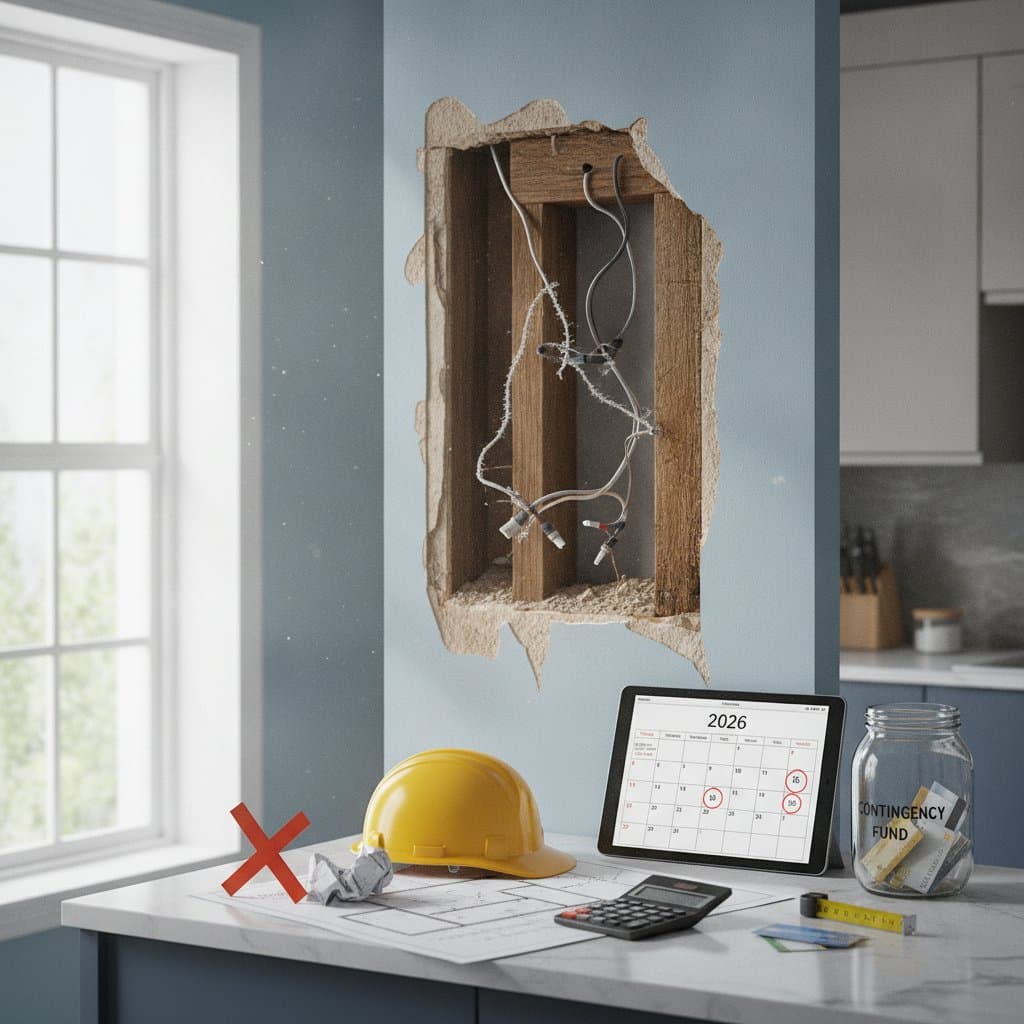
Older wiring frequently fails to support new appliances or added outlets. Electricians assess load requirements once walls open. Additions such as islands or under-cabinet lighting increase circuit needs and panel capacity. Reserve funds for these evaluations before demolition begins.
Plumbing Adjustments
Pipe locations may require rerouting for new sink positions or appliance placements. Older homes often contain galvanized or outdated materials that need replacement. Changes to layouts, including boiling-water taps, add labor and material expenses. Confirm pipe conditions through inspection prior to finalizing designs.
Structural Modifications
Removal of walls for open layouts can expose load-bearing elements. Engineers evaluate support needs and specify beams or reinforcements. These interventions occur after exposure and alter both schedule and cost. Engage a structural review during the planning phase.
Selections That Influence Totals
Cabinetry Choices
Custom cabinets provide precise fits but carry higher fabrication costs. Stock or semi-custom units combined with targeted custom pieces reduce overall spend. Base cabinets in standard sizes paired with one specialized unit, such as a tall pantry, maintain function while controlling expenses.
Countertop Materials
Natural stone requires sealing and precise templating that adds to installed price. Engineered surfaces offer durability with lower maintenance. Factor edge profiles, cutouts for sinks, and backsplash integration into material quotes.
Appliance Upgrades
Integrated models demand cabinet modifications for alignment. Features such as smart connectivity or specialized cooking functions raise unit prices. Compare energy ratings and service access before committing to higher-tier selections.
Additional Project Expenses
Waste Removal
Demolition debris exceeds standard household collection limits. Skip hire or licensed haulers manage volume and disposal fees. Plan for multiple collections when gutting an entire kitchen.
Interim Living Arrangements
Absence of a functional kitchen increases reliance on prepared meals or portable cooking setups. Designate a temporary station with basic appliances before work starts. This reduces daily disruption and cumulative costs.
Hardware and Finishing Items
Handles, switches, trim, and paint accumulate across multiple rooms. Finalize selections early to avoid mid-project substitutions. Consistent choices prevent delays from backordered components.
Project Management Considerations
Daily Disruption
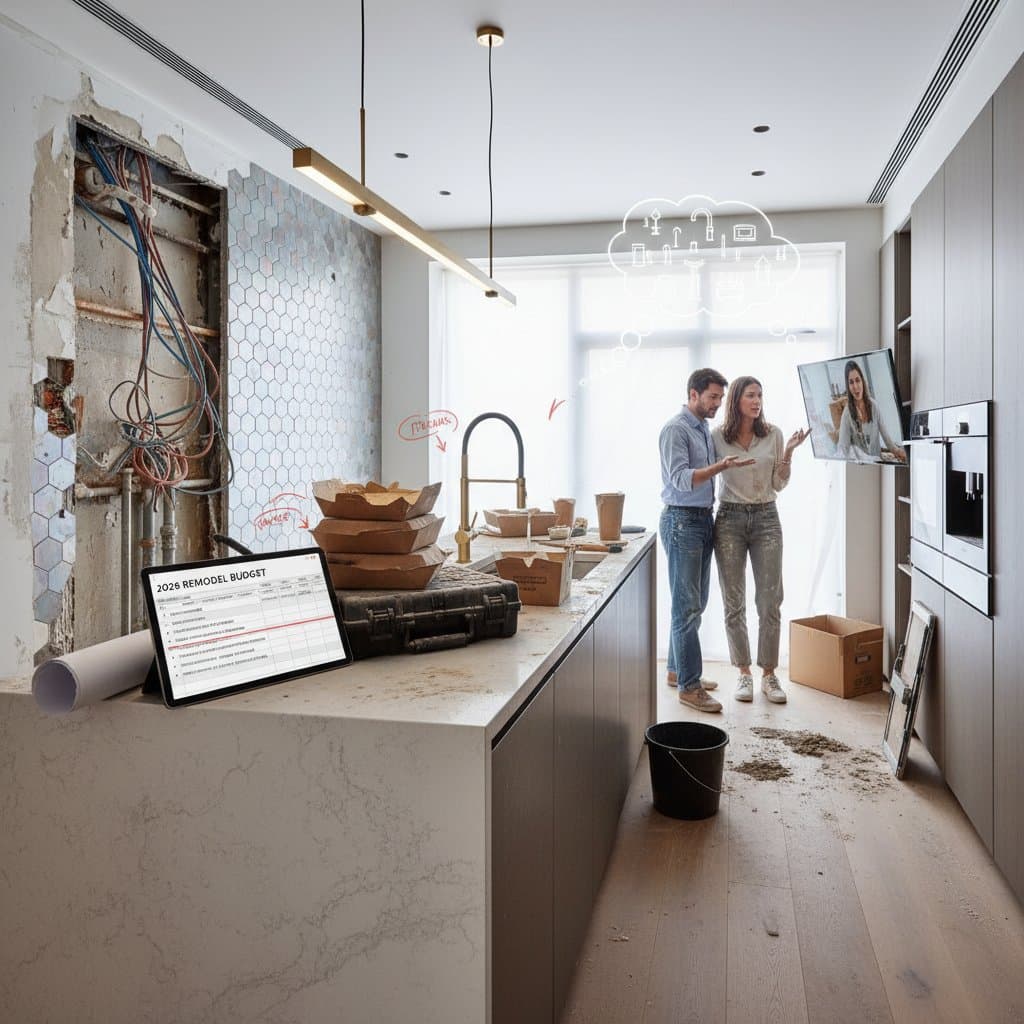
Dust migrates beyond the work zone despite containment measures. Schedule cleaning intervals and protect adjacent spaces. Families with children should prepare for altered routines during active phases.
Scope Expansion
Initial tasks prompt additional requests once surfaces are exposed. Document core objectives separately from future improvements. This separation maintains focus on the approved budget.
Value of Professional Coordination
Licensed contractors identify code compliance issues during early site visits. Their oversight prevents errors that require later correction. Request detailed breakdowns of quotes to understand inclusions such as permits and warranties.
Project Completion
Final walkthroughs confirm all systems operate correctly. New kitchens deliver improved workflow and storage once installation concludes. Early attention to hidden conditions supports smoother execution and predictable outcomes.