
Hidden Costs Sabotaging Your 2025 Kitchen Remodel
Every home renovation project starts with an inspiring vision. Consider gleaming countertops, seamlessly integrated appliances, and a spacious kitchen island suitable for meal preparation and daily routines. However, reality introduces practical constraints, such as budgeting for essential infrastructure like plumbing. If you plan a kitchen remodel, recognize that expenses often exceed initial estimates due to unforeseen issues that emerge during the process.
Challenges with Layout and Existing Plumbing
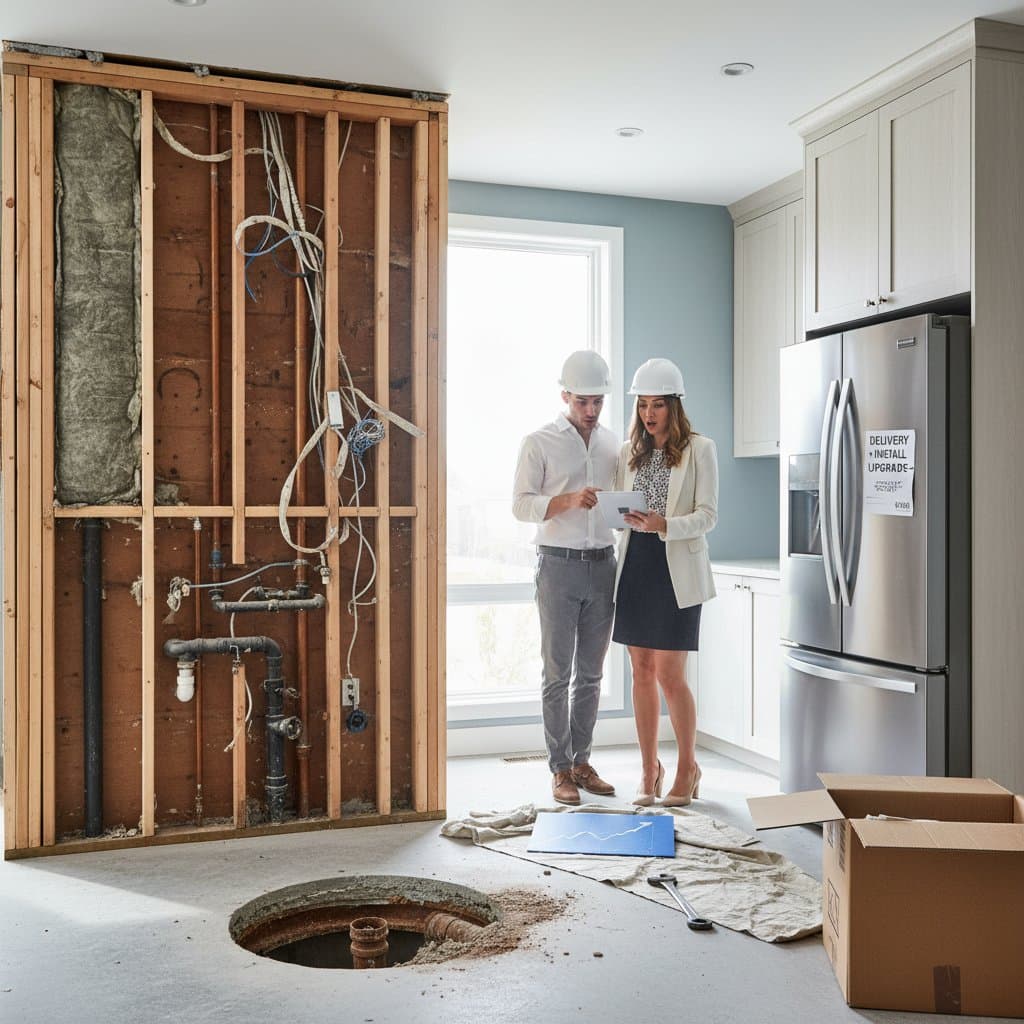
Design software allows precise planning of the ideal workflow between refrigerator, sink, and oven. Yet, the home's existing structure may resist such changes. Relocating plumbing or gas lines typically involves removing flooring, cutting walls, and addressing disorganized piping systems installed decades ago.
For instance, attempting to position a sink under a window might reveal obstacles like structural joists or improper drainage slopes. Professionals often advise against alterations that complicate these elements. In such cases, adjusting the design to accommodate the current setup preserves both time and funds.
To mitigate this, conduct a pre-remodel inspection with a licensed plumber. Request a detailed report on potential relocation costs, including permits and materials. This step identifies issues early, allowing for informed decisions on layout adjustments.
Issues Concealed Behind Cabinets
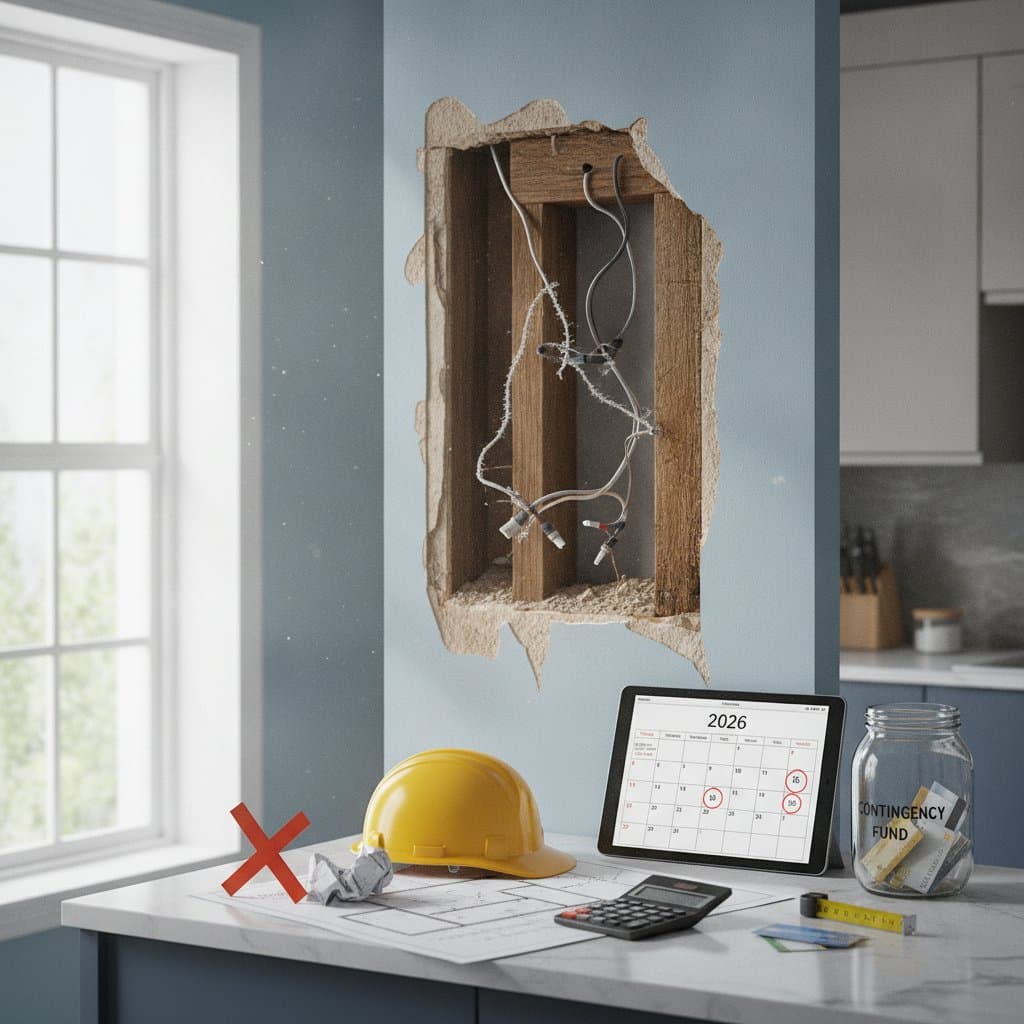
New cabinets appear flawless in showroom displays, but demolition reveals underlying problems. Uneven walls, obsolete electrical wiring, and damaged plaster frequently require correction to ensure proper installation. Addressing these foundational elements prevents future complications, such as misaligned doors or hazardous outlets.
One common discovery involves previous modifications, like plaster applied directly over outdated tiles. Removing such layers demands careful excavation, which prolongs the project and generates significant dust. Homeowners may face temporary disruptions, relying on alternative cooking arrangements during this phase.
Prepare by hiring a structural surveyor before purchasing cabinets. They can assess wall integrity and recommend reinforcements, such as shimming or drywall repairs. Budget an additional 5 to 10 percent for these surprises to maintain project momentum.
Essential Electrical System Upgrades
Contemporary kitchens demand robust electrical capacity far beyond what older homes provide. Vintage wiring, designed for basic appliances like kettles and toasters, struggles with modern devices including high-wattage coffee makers, air fryers, and automated lighting systems. Upgrading the electrical infrastructure becomes necessary to comply with safety codes and support daily use.
This process may include installing new circuits, replacing the main panel, or rewiring outlets to current standards. Such work seldom features in promotional materials but can consume a substantial portion of reserved funds. The benefit lies in enhanced safety and reliability, reducing risks of overloads or fires.
Consult a certified electrician early in planning. Obtain quotes for a full load calculation to determine required amperage. Factor in GFCI outlets for wet areas and dedicated circuits for major appliances to avoid mid-project delays.
Unexpected Flooring Subfloor Problems
Removing existing flooring provides a sense of progress until subfloor imperfections come to light. Irregular surfaces, moisture damage, or persistent creaks can halt installation and increase expenses. For materials like tiles or engineered hardwood, a level base proves essential to prevent issues such as cracking or instability.
A typical find includes layers of prior flooring, from parquet to vinyl remnants, creating an uneven foundation. Applying leveling compounds resolves these, but the material and labor costs add up quickly. Professional subfloor preparation ensures longevity and aesthetic appeal.
Schedule a flooring specialist inspection prior to demolition. They can evaluate moisture levels with tools like calcium chloride tests and recommend treatments, such as subfloor ventilation or replacement sections. Allocate time for drying if dampness appears, preventing mold growth in the new space.
Additional Expenses for Appliances and Installations
Budgeting for primary appliances seems straightforward, yet accompanying components often escalate totals. Items like water filtration systems, ventilation kits, custom plumbing connections, and labor fees accumulate rapidly. An attractive range hood, for example, may require extensive ductwork routed through cabinets and exterior walls.
Smaller elements, including cabinet hardware, specialized hinges, and integrated lighting, multiply in cost across the entire kitchen. Overlooking these leads to unexpected invoices that strain finances. Detailed planning tracks every accessory from the outset.
Create a comprehensive appliance checklist during selection. Research compatibility with existing utilities and include installation timelines in contracts. Opt for energy-efficient models to offset long-term costs, and compare vendor packages that bundle essentials for savings.
Strategies to Manage and Protect Your Budget
Anticipating surprises forms the foundation of a successful remodel. Establish a contingency fund representing 10 to 15 percent of the overall budget to cover discoveries. Communicate financial limits clearly with contractors to align expectations and prioritize essentials.
Resist impulses for luxury upgrades on every element; focus on durable, high-impact choices like quality lighting and efficient layouts. These elements enhance functionality without excessive spending. Upon completion, the renovated kitchen integrates seamlessly into daily life, delivering enduring satisfaction amid its unique character.