
Smart Budget Hacks and Layout Strategies for Your 2025 Mudroom
The latest National Remodeling Survey indicates that 42 percent of homeowners view the mudroom as one of the most expensive areas to update. Furthermore, only 38 percent of these projects adhere to their original budgets. These statistics highlight a key challenge in home renovations: compact areas like mudrooms frequently incur higher costs due to inadequate financial planning and oversight.
As the primary entry and exit point in many homes, the mudroom serves essential daily functions. Its true potential emerges when thoughtful design aligns with practical use and fiscal responsibility. This guide outlines proven budget hacks and layout strategies for mudroom renovations, emphasizing transparency in costs, streamlined project execution, and investments that deliver enduring benefits.
Identifying Common Budget Challenges
Financial overruns in mudroom projects often arise from scope creep and overlooked practical requirements. What begins as a simple storage area might expand into a full laundry station or pet care nook, significantly increasing expenses.
Contractor Miguel Hart, who brings fifteen years of experience in residential construction at Precision Homeworks, notes, “Every additional element, such as built-in pet washing stations or radiant floor heating, can raise your total budget by 20 percent or more. Focus on elements that support your routine activities.”
To address this, start by listing all potential features. Rank them based on frequency of use, then attach rough cost estimates to each. As the figures accumulate, eliminate lower-priority items to stay on track.
Consider also the hidden costs of poor planning, such as delays from mismatched materials or unexpected structural adjustments. For instance, installing custom shelving without measuring door swings can lead to rework fees. Early assessment prevents these issues and keeps the project lean.
Planning Effective Layouts for Maximum Efficiency
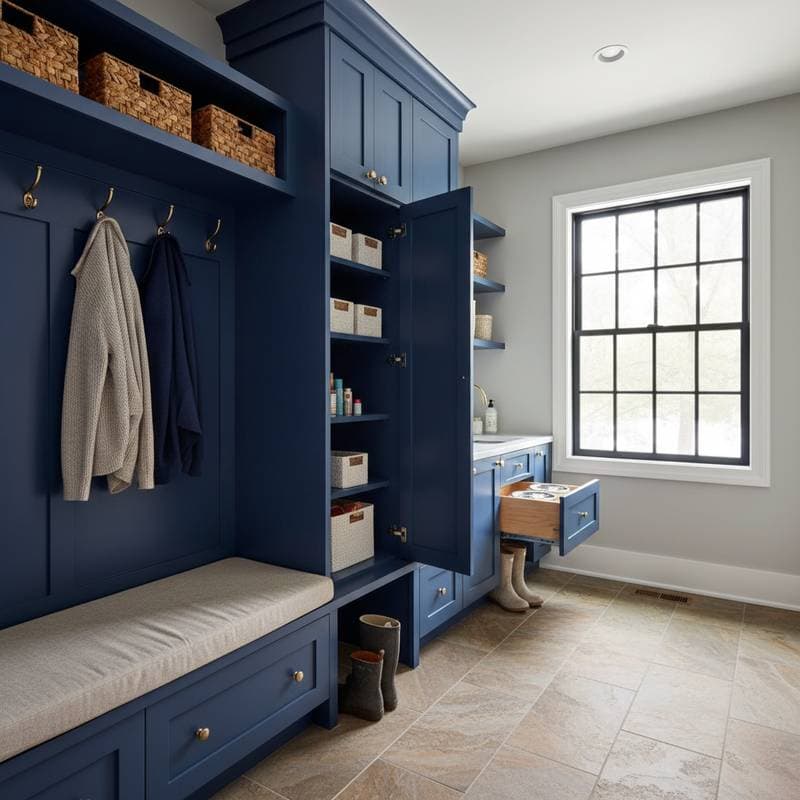
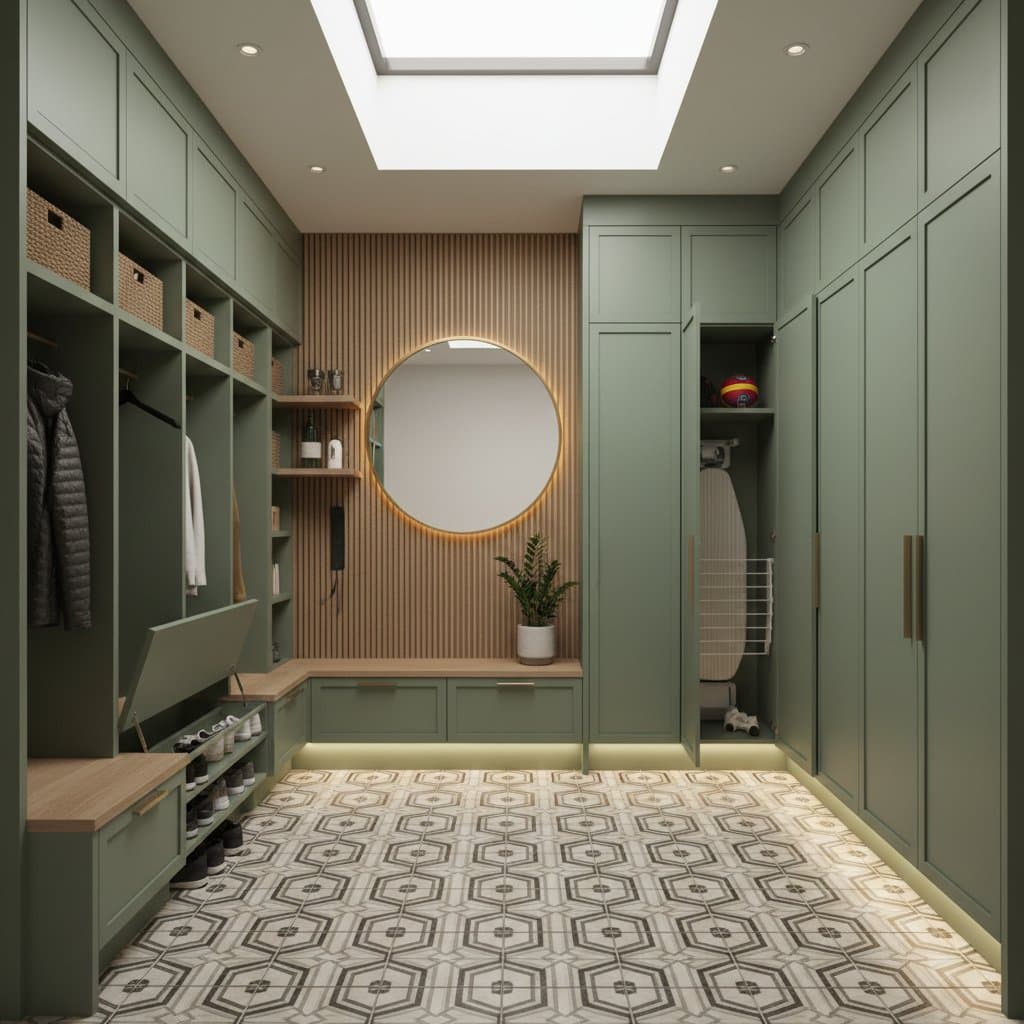
A strategic layout transforms a mudroom from a cluttered catch-all into a streamlined hub. Begin with zoning: designate areas for shoe storage, coat hanging, and bag organization to minimize daily chaos.
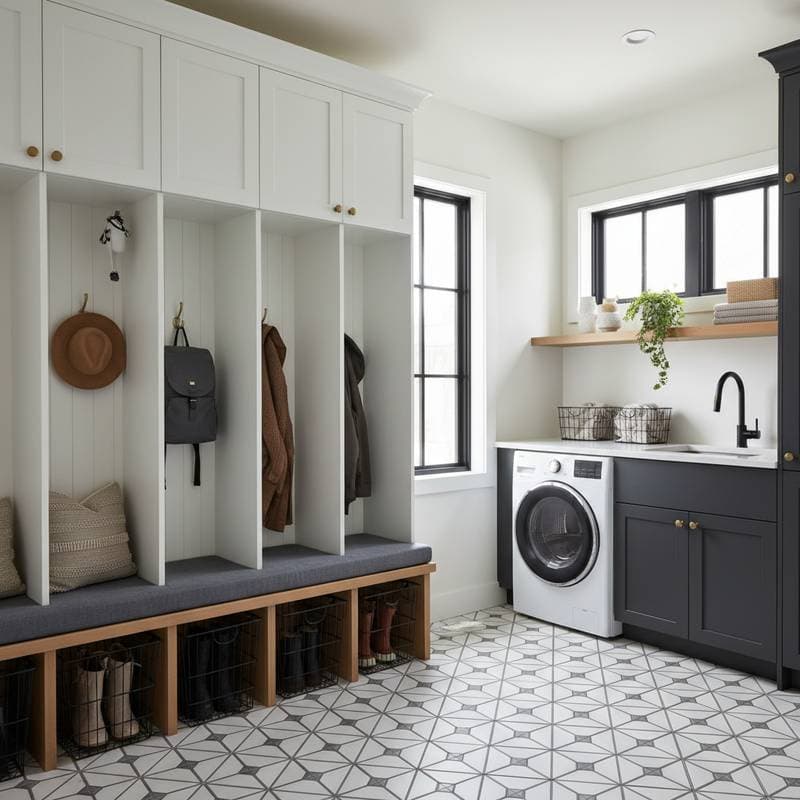
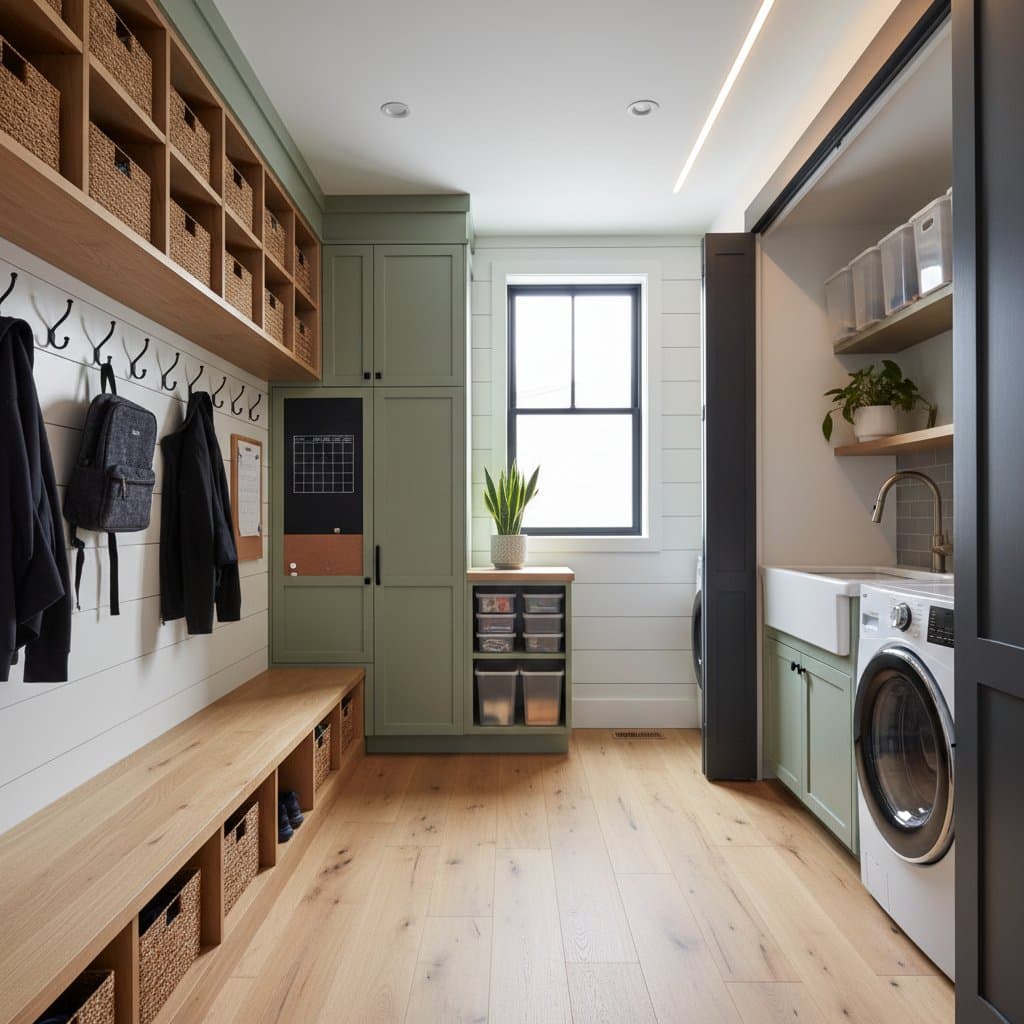
Opt for modular systems that adapt to your needs. Wall-mounted benches with integrated cubbies provide seating and storage without dominating floor space. In smaller mudrooms, vertical solutions like tall lockers or pegboards maximize height while preserving walkways.
For larger spaces, incorporate multi-functional zones. A central island could house a sink for quick cleanups alongside pull-out trays for pet supplies. Ensure pathways remain at least 36 inches wide to accommodate traffic flow, especially in family homes.
Test layouts with simple sketches or tape on the floor to simulate furniture placement. This step reveals bottlenecks early, such as cramped corners that hinder access to washers or dryers. Adjustable designs allow for future changes, like adding hooks for seasonal gear.
Selecting Cost-Effective Materials
Choosing materials wisely balances performance, aesthetics, and affordability. Value engineering focuses on options that meet durability standards at reduced prices, ensuring the space withstands heavy use.
For flooring, porcelain tiles or luxury vinyl planks offer superior moisture resistance compared to hardwood, at 30 to 50 percent lower cost per square foot. These choices handle tracked-in dirt and water spills effectively, reducing long-term repair needs.
Cabinetry in laminate or medium-density fiberboard, finished with water-repellent paints, costs about half as much as solid wood alternatives. They provide ample storage for boots, gloves, and cleaning supplies while blending seamlessly with modern decor.
Hardware selections further control expenses. Basic matte black or brushed nickel pulls range from $3 to $5 per unit, versus $20 or more for premium versions. Pair these with consistent finishes across fixtures to create a cohesive, upscale appearance without excess spending.
Interior designer Lena Brooks of Practical Design Studio advises, “Elevate a basic mudroom through intentional finishes rather than extravagant materials. Uniform colors and textures produce a luxurious feel at accessible prices.”
Explore recycled or salvaged elements, such as reclaimed wood accents for benches, to add character affordably. Always verify compatibility with the room's humidity levels to avoid premature wear.
Engaging Professionals and Understanding Regional Costs
Labor costs fluctuate by location, with urban coastal areas commanding 20 to 30 percent higher rates than rural regions. However, rural options might involve longer travel times or limited expertise availability.
When consulting contractors or designers, pose targeted questions to gauge reliability:
- Does the base quote cover design modifications?
- What timelines apply to material sourcing?
- Will you manage permitting and inspection processes?
Seek references from past mudroom projects to assess adherence to budgets and timelines. A professional who specializes in small-space optimizations can suggest efficiencies, like pre-fabricated units that cut installation time by half.
Budget an additional 10 to 15 percent for contingencies, such as fluctuating material prices or minor site surprises. Clear contracts outlining payment schedules and change order protocols protect against disputes.
Strategies for Long-Term Upkeep
An optimized mudroom enhances everyday convenience and boosts home resale appeal. Data from the Home Value Index reveals that properties featuring well-organized entry areas sell 5 to 7 percent quicker than comparable homes lacking such features.
Preserve this value through routine maintenance. Reseal grout lines on tile floors each year to block moisture intrusion. Inspect transitions between flooring types quarterly for signs of loosening or gaps.
Refresh cabinet surfaces and wall paint every three to five years, depending on usage intensity. Clean hardware regularly with mild solutions to prevent corrosion from environmental exposure.
Implement organizational habits from the start, such as designated bins for each family member, to sustain tidiness. These practices not only extend material lifespan but also reinforce the remodel's functional benefits, ensuring your investment yields ongoing returns.