
2025 Backsplash Trends: Elevating Kitchen Design While Managing Costs
Imagine standing in your kitchen with a morning coffee, gazing at a backsplash that dates back several decades. What once seemed innovative now hinders your vision for a modern space. As you browse renovation images online, you encounter inspiring backsplashes that convert standard kitchens into professional-grade environments, only to hesitate at the associated price.
Many homeowners face this challenge. A recent survey on home renovations reveals that over half of participants underestimated backsplash upgrade expenses. These elements appear minor yet deliver significant impact on both aesthetics and finances. Fortunately, 2025 introduces trends that merge sophisticated style with cost-effective approaches. Sustainable options and strategic patterns allow you to enhance your kitchen without excessive spending.
This article examines key trends shaping kitchens this year. It covers realistic costs, expert advice, and savings techniques. You will learn to achieve striking results that align with your budget.
1. Textured Tiles for Depth and Dimension
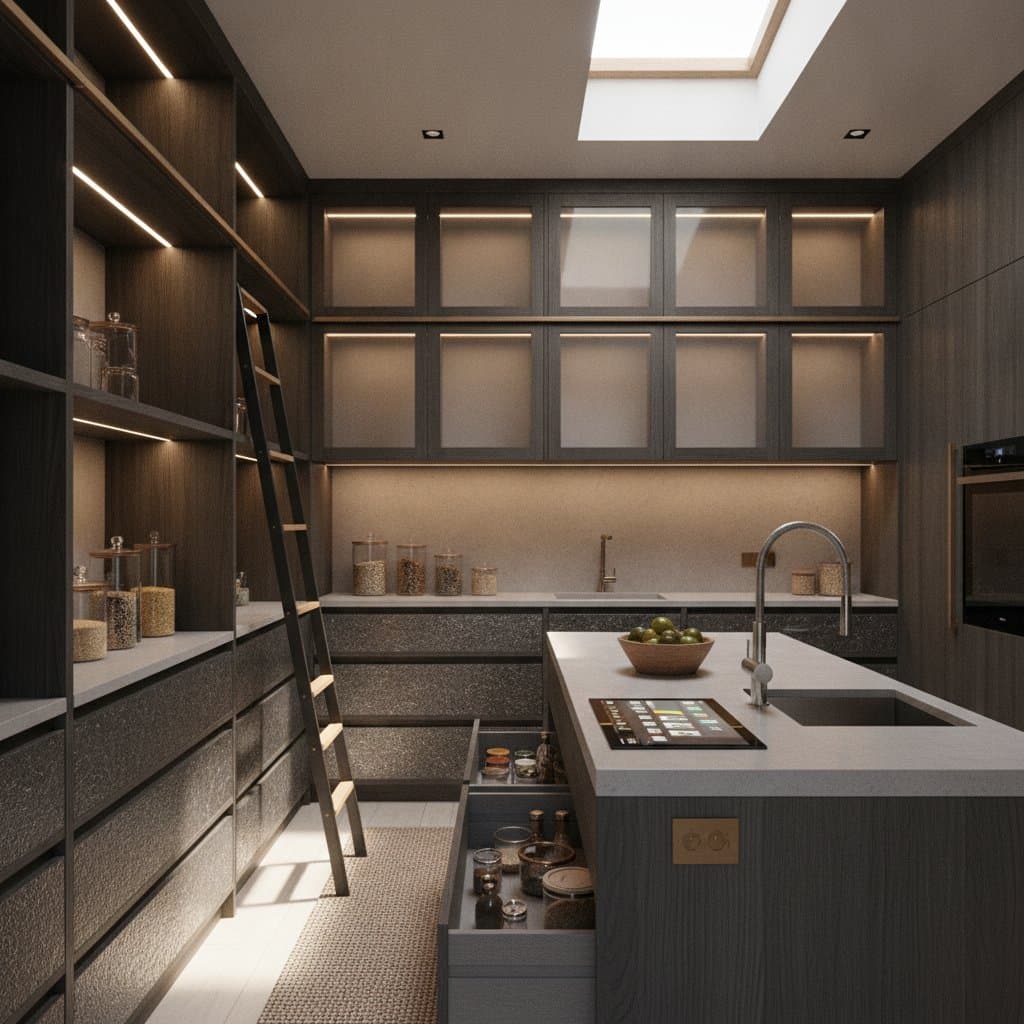
Flat subway tiles yield to more dynamic alternatives in 2025. Homeowners favor surfaces that interact with light, such as rippled ceramics, fluted stone, and three-dimensional concrete tiles. These choices add subtle patterns and visual interest without dominating the room.
Material costs for textured ceramic or porcelain tiles range from $12 to $25 per square foot. Natural stone or artisanal pieces may reach $40 per square foot or higher. Installation demands extra care due to the need for precise cuts and grout management, which increases labor expenses.
Textured backsplashes perform exceptionally under under-cabinet lighting. However, they require additional time for alignment. Marco Reyes, a tile contractor with more than fifteen years of experience, notes, "The depth variations make cutting and alignment slower, so plan for an extra day or two of work."
Apply textured tiles selectively behind high-use areas like the cooktop or sink. Complement them with basic field tiles in other sections to control costs while maintaining impact.
2. Bold Colors and Geometric Patterns
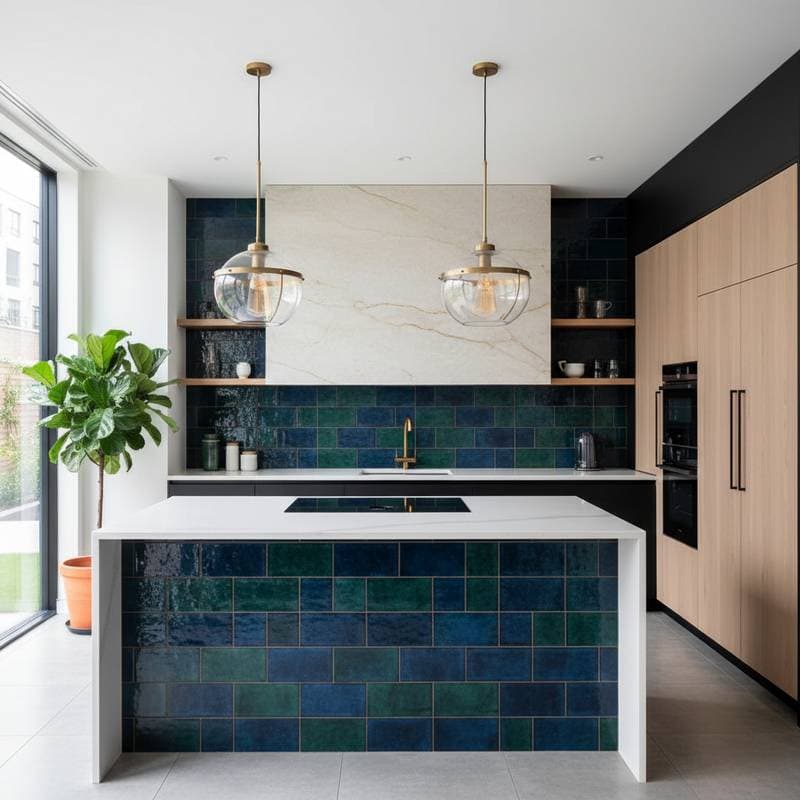
Vibrant hues and structured layouts emerge as prominent features. Expect terracotta oranges, deep blues, and emerald greens in geometric mosaics or chevron arrangements. These elements inject personality and modernity into neutral kitchen palettes.
Pricing for colored ceramic tiles starts at $10 to $20 per square foot, with custom geometric designs adding $5 to $15 more. Complex patterns elevate labor costs by 10 to 20 percent due to intricate cutting and alignment.
Bold colors enhance smaller kitchens by creating focal points. Geometric patterns suit contemporary styles but demand skilled installation. Designer Elena Vasquez advises, "Select colors that harmonize with cabinetry to avoid overwhelming the space. Test samples in natural light for true accuracy."
Incorporate patterns in vertical accents or borders rather than full walls. This approach delivers drama at a fraction of the expense of comprehensive coverage.
3. Sustainable and Recycled Materials
Environmental consciousness drives kitchen updates. Recycled glass tiles, reclaimed wood panels, and eco-friendly porcelain slabs appeal to those seeking durability and style. These materials maintain a premium appearance while supporting green initiatives.
Recycled glass options cost $15 to $30 per square foot. Reclaimed wood composites range from $20 to $35 per square foot. Variations in thickness can complicate installation, potentially raising labor fees.
Sustainable choices offer long-term benefits beyond initial purchase. They enhance home resale value through their appeal to eco-aware buyers. Jordan Ellis, a financial analyst at BuildSmart Reports, explains, "Sustainable materials are not always cheaper upfront, but they can save money long-term through durability and resale value."
Inquire about recycled content levels from suppliers. Materials with high post-consumer percentages may qualify for tax incentives or rebates, reducing overall project costs.
4. Large-Format Slabs for Seamless Elegance
Minimalist designs favor expansive slabs that minimize grout lines. Porcelain or quartz panels in sizes up to 5 by 10 feet create a sleek, continuous surface resembling natural stone.
These slabs price at $20 to $45 per square foot, depending on quality and origin. Fewer seams simplify installation, though handling large pieces requires specialized tools and may add to transport costs.
Large-format options suit open-concept kitchens by expanding visual space. They resist stains better than traditional tiles. Contractor Alex Rivera states, "Seamless slabs reduce maintenance, but ensure proper support during installation to prevent cracking."
Opt for slabs in standard sizes to avoid custom fabrication fees. Pair with simple grout for a clean finish that emphasizes the material's natural beauty.
5. Mixed Materials and Pattern Play
Designers blend diverse elements for eclectic effects. Combinations of stone, glass, and metal appear in herringbone patterns, vertical stacks, or mosaic accents, adding layers of texture and shine.
Costs for mixed setups vary from $20 to $50 per square foot. Additional cuts and adjustments increase labor by 15 to 25 percent compared to uniform tiling.
Uniform thickness across materials ensures even surfaces. Leveling systems help maintain flush grout lines. Lila Thompson, an interior specialist, recommends, "When mixing materials, consistency in thickness is key. If one tile is even slightly thicker, it can throw off the grout lines."
Limit complexity to one feature wall or border. This strategy provides a custom look without the full expense of extensive patterning.
6. Metallic and Reflective Finishes
Shimmering accents bring glamour to functional spaces. Brushed brass, copper-infused tiles, and mirrored glass inserts reflect light, making kitchens feel brighter and more spacious.
Metallic tiles range from $18 to $40 per square foot. Reflective options demand careful sealing to prevent tarnish, which may add minor maintenance costs.
These finishes pair well with matte countertops for contrast. They amplify ambient lighting effectively. Stylist Mia Chen observes, "Metallics add warmth without overwhelming; use them sparingly for subtle luxury."
Integrate metallics in hardware-matching accents. This cohesive approach enhances design unity at lower material volumes.
7. Statement Murals and Artistic Inserts
Personalized art elevates backsplashes to gallery status. Hand-painted ceramics, digital-printed panels, or sculpted inserts capture themes from nature to abstract forms.
Custom installations cost $75 to $200 per square foot. Bespoke or imported designs involve longer lead times and higher replacement expenses if issues arise.
Position murals away from heavy-use zones to preserve integrity. They serve as enduring focal points. Amanda Patel, a design consultant, cautions, "Artistic backsplashes work best in low-traffic areas where they will not get splattered daily. They are beautiful investments, but definitely not for the faint of budget."
Frame a compact mural with economical surrounding tiles. The juxtaposition highlights the art while moderating total expenditure.
Anticipating Hidden Project Expenses
Unexpected costs often arise during renovations. Preparation of existing walls, including removal of old adhesive or drywall repairs, can add $100 to $300.
Thicker tiles may necessitate outlet recessing, requiring electrician intervention at $150 to $400. Edge treatments or trim pieces cost $5 to $15 per linear foot.
Natural materials like stone require sealing every few years, with each application around $100. Factor these into your planning to maintain budget control.
Strategies for Budget-Conscious Implementation
Select trends that align with your kitchen's scale and usage. Prioritize durable materials in high-traffic areas to minimize future repairs.
Consult multiple contractors for quotes and verify their experience with chosen trends. Explore financing options or phased installations to spread costs.
Source materials from local suppliers to cut shipping fees. Track all estimates in a spreadsheet for transparency.
These approaches enable you to realize a stunning kitchen upgrade. The result combines timeless appeal with financial prudence, ensuring your space inspires for years ahead.