Closed Kitchens Make a Comeback: The 2026 Layout Shift
Open-plan living dominated home design for years, with walls removed to create expansive, social spaces. Kitchens merged with dining and living areas, ideal for entertaining and shared activities. However, practical challenges have prompted a reversal, as closed kitchens regain popularity in 2026.
Homeowners now prioritize separation for better daily living. This shift restores boundaries that enhance focus and relaxation. The result balances openness with controlled intimacy.
The Appeal of Open-Plan Designs
Open-plan layouts promised seamless integration of home functions. Natural light flows freely, and family members stay connected during routines. Cooking becomes a social event, with conversations flowing alongside meal preparation.
Yet, these designs reveal limitations over time. Cooking odors linger throughout the space, and kitchen noises disrupt quiet moments. Surfaces serve multiple purposes, leading to clutter that affects the entire area.
Designers note that initial excitement fades as real-life demands emerge. The constant visibility of activity creates pressure to maintain perfection. Many seek alternatives that offer relief from these issues.
Practical Reasons for Rebuilding Walls
Noise reduction drives much of this trend. Remote work and home schooling require dedicated quiet zones. A closed kitchen contains sounds like blender whirs or chopping, preserving calm in adjacent rooms.
Mess containment provides another key benefit. Kitchen spills and piles of utensils remain hidden behind doors. This setup allows flexibility in cleanup timing without impacting shared spaces.
Scent management improves comfort significantly. Aromas from spices or grilling stay localized, preventing them from permeating fabrics or bedrooms. Ventilation systems in closed designs handle odors more effectively.
Emotional Benefits of Kitchen Separation
A distinct kitchen fosters purpose and focus. Users enter the space knowing it serves cooking and preparation, free from distractions. This environment encourages creativity, such as testing new recipes without an audience.
For families, separation restores daily rhythms. The kitchen handles active tasks, while living areas support rest and leisure. Clear divisions reduce overstimulation and promote harmonious interactions.
Visits to traditional setups highlight this warmth. A friend's enclosed kitchen, with its steaming windows and inviting scents, draws people in naturally. Such spaces emphasize genuine connection over staged perfection.
Modern Design Approaches to Closed Kitchens
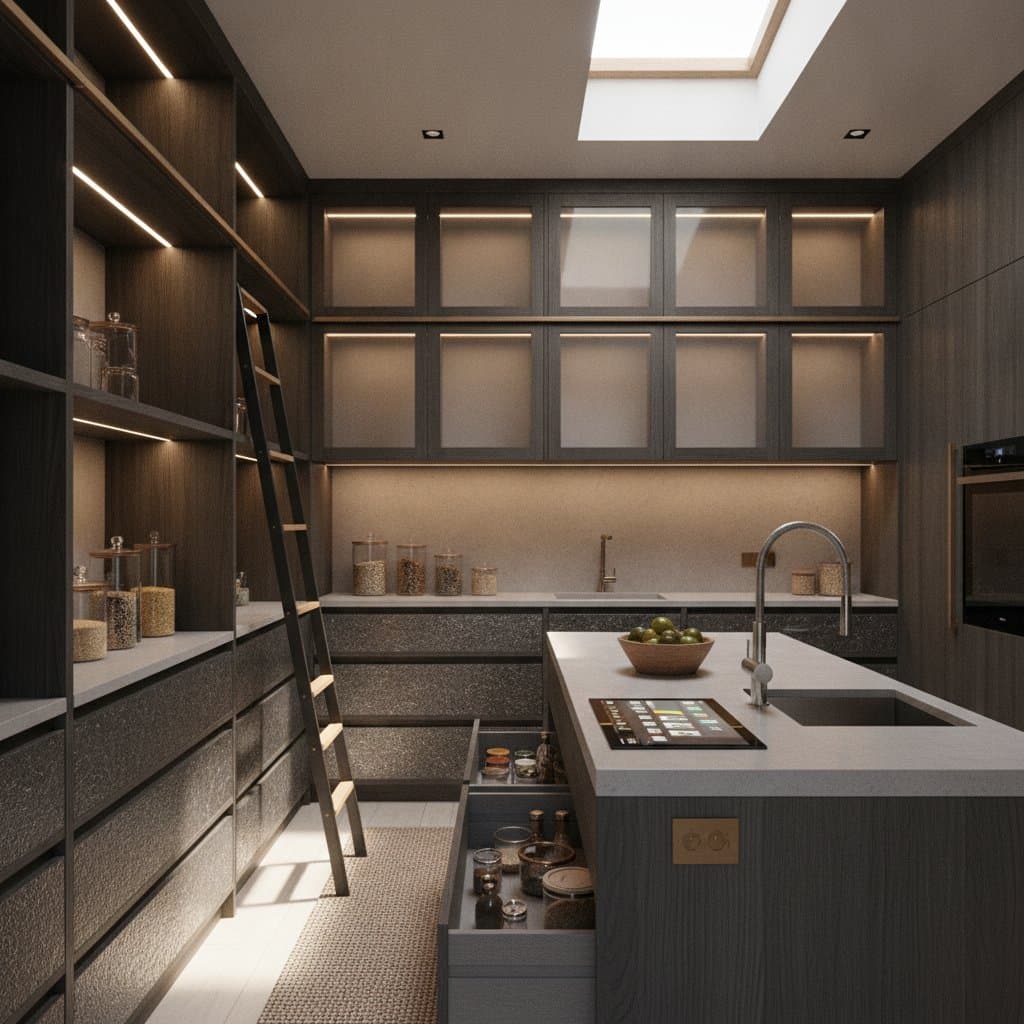
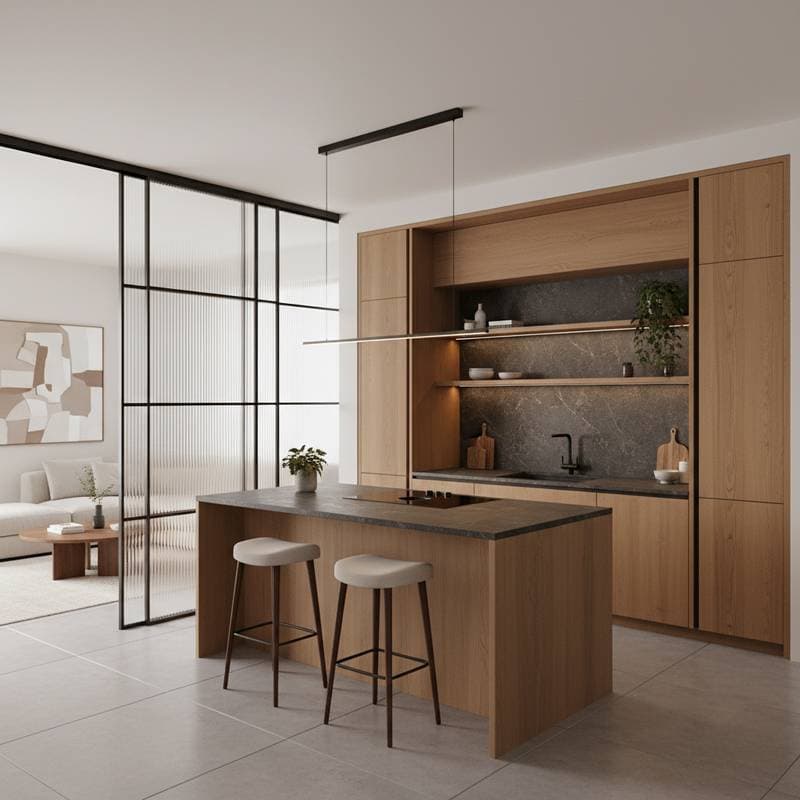
Contemporary closed kitchens avoid outdated isolation. Architects incorporate glass panels or sliding doors for adjustable openness. These elements allow light and views while maintaining separation as needed.
Semi-closed options include pass-through windows or hatches for serving meals. Bold palettes, such as deep greens or terracotta, pair with wood accents and textured tiles. Layered lighting creates cozy atmospheres without harsh glare.
In compact homes, solutions like half-walls or folding screens divide areas efficiently. These adaptations preserve space and airflow. The focus remains on privacy that enhances rather than restricts.
Lifestyle Factors Fueling the Trend
Evolving home uses amplify the need for defined zones. Multifunctional spaces lead to activity overlaps, such as calls interrupted by kitchen sounds. Closed layouts mitigate these conflicts effectively.
Renewed interest in home cooking emphasizes dedicated areas. Preparation turns into a mindful process, supported by organized storage and workflows. This intentionality elevates everyday meals.
Energy efficiency plays a role as well. Isolated kitchens permit targeted climate control, reducing overall heating costs. Sustainable materials, like reclaimed wood, align with eco-conscious preferences.
Implementing the Shift in Your Home
Evaluate your kitchen habits before changes. Consider whether solitude aids focus or if occasional openness suits social needs. Track daily patterns to identify pain points in current layouts.
Begin with non-permanent adjustments. Install room dividers or use furniture to zone areas visually. Paint accents or add rugs to delineate the kitchen without structural work.
For renovations, consult professionals skilled in hybrid designs. Specify needs like soundproofing materials or smart vents. Budget for flexible features that adapt to future lifestyles.
Embracing Boundaries for Balanced Living
Closed kitchens invite personal expression. Shelves hold cherished items, and walls display art without clashing styles. Doors provide control, opening for gatherings or closing for peace.
This evolution acknowledges open-plan contributions to connectivity. Yet, it prioritizes well-being through thoughtful separation. Consider updates that align with your routines for lasting satisfaction.