
Why Open Concept Kitchens Are Losing Ground in 2026
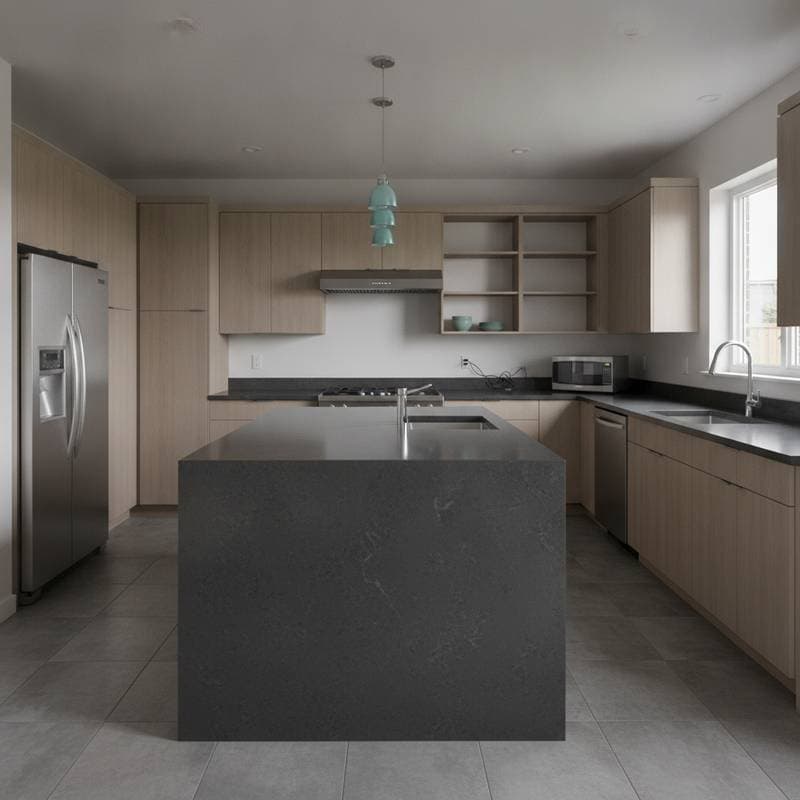
For years open concept kitchens symbolized modern living. Families sought connection across cooking, dining, and living areas by removing walls to encourage flow. Lifestyles have shifted, however, and many now find constant openness creates daily friction. Noise, odors, clutter, and limited privacy turn once ideal layouts into ongoing compromises.
The current direction favors smart separation, clear zoning, and selective openness. Thoughtful boundaries deliver comfort without sacrificing connection. The sections below outline the practical reasons closed or semi closed kitchens are returning and how to implement them effectively.
Noise Control Drives the Return of Boundaries
Kitchens generate significant sound from range hoods, appliances, and daily activity. In open layouts this noise travels freely into adjacent living and work areas. Families increasingly value acoustic comfort that allows simultaneous activities without interference.
Strategic partitions solve the issue. A properly built wall with sound insulated drywall reduces transmission substantially. Soft materials such as cork flooring and acoustic ceiling panels further absorb vibration. Mineral wool insulation placed inside the cavity combined with resilient channels between drywall layers breaks sound paths effectively.
Storage and Organization Require Defined Walls
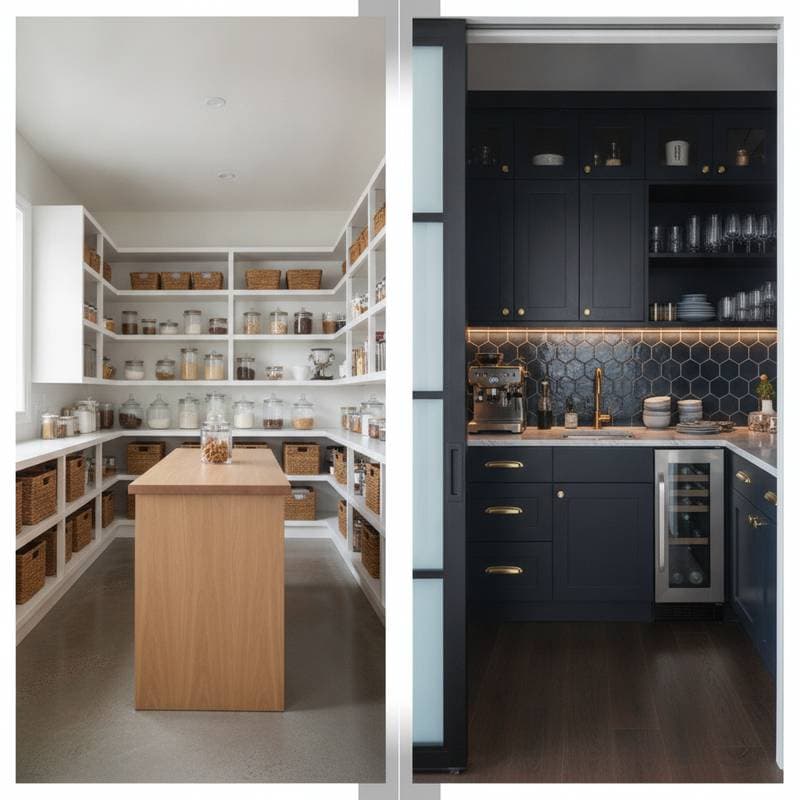
Open plans eliminate valuable wall surface needed for cabinets, pantries, and shelving. Countertops quickly become crowded when vertical storage disappears. Homeowners often discover too late how much functional space they lose.
Reclaiming storage through partial enclosure restores order. Even a short partition can support upper cabinets or recessed pantry units. Built in bench seating with hidden compartments along new walls adds capacity without crowding the floor plan. A six inch deep framed wall accommodates recessed spice shelves while moisture resistant drywall protects surfaces near cooking zones.
Visual Calm Replaces Constant Exposure
Fully open kitchens keep every appliance, dish, and grocery in view, creating visual busyness throughout the living area. Many homeowners now prefer quieter aesthetics where each room feels intentional. Filtered sightlines achieve balance.
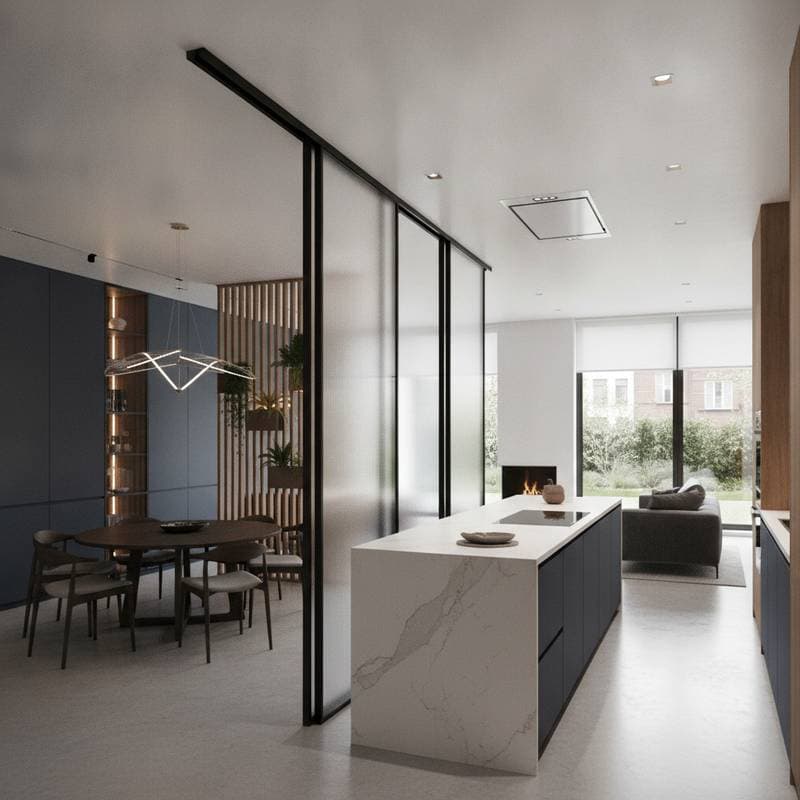
A framed opening, cased archway, or interior window maintains connection while allowing the eye to rest. Unified trim profiles and consistent flooring thresholds keep transitions cohesive. Translucent glass partitions permit light yet limit full exposure to kitchen activity.
Character and Warmth Return with Separation
Continuous open spaces often lack opportunities for texture, artwork, or architectural detail. Separate rooms support richer finishes and distinct moods that give a home personality. A dark stained kitchen next to a lighter dining area creates depth and interest.
Millwork, textured walls, and subtle color contrast define zones without isolation. Trim transitions at openings signal changes in function. Slight variations in ceiling height further distinguish spaces while preserving overall flow.
Real Resale Value Comes from Practical Comfort
Buyers today recognize the drawbacks of vast open areas that prove difficult to furnish and maintain. Functional rooms with clear purpose hold stronger appeal than undifferentiated space. Homes that balance openness with privacy and storage tend to attract more interest at resale.
Designing for Everyday Living
Smart separation creates homes that support real routines rather than idealized images. Each zone serves its purpose while the overall plan remains cohesive and welcoming. The result is a residence that feels calm, organized, and genuinely livable for years to come.