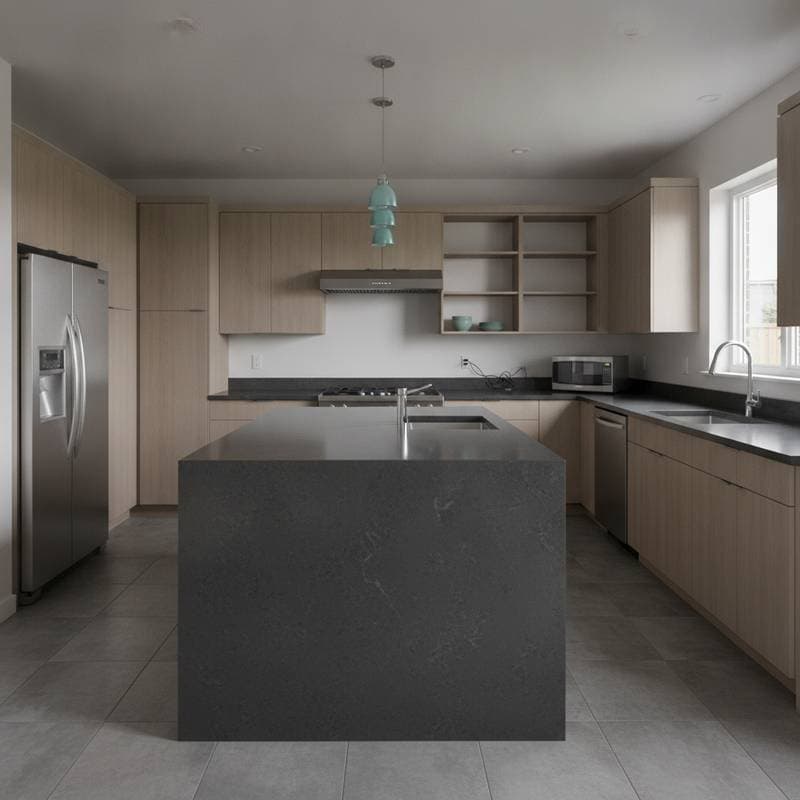

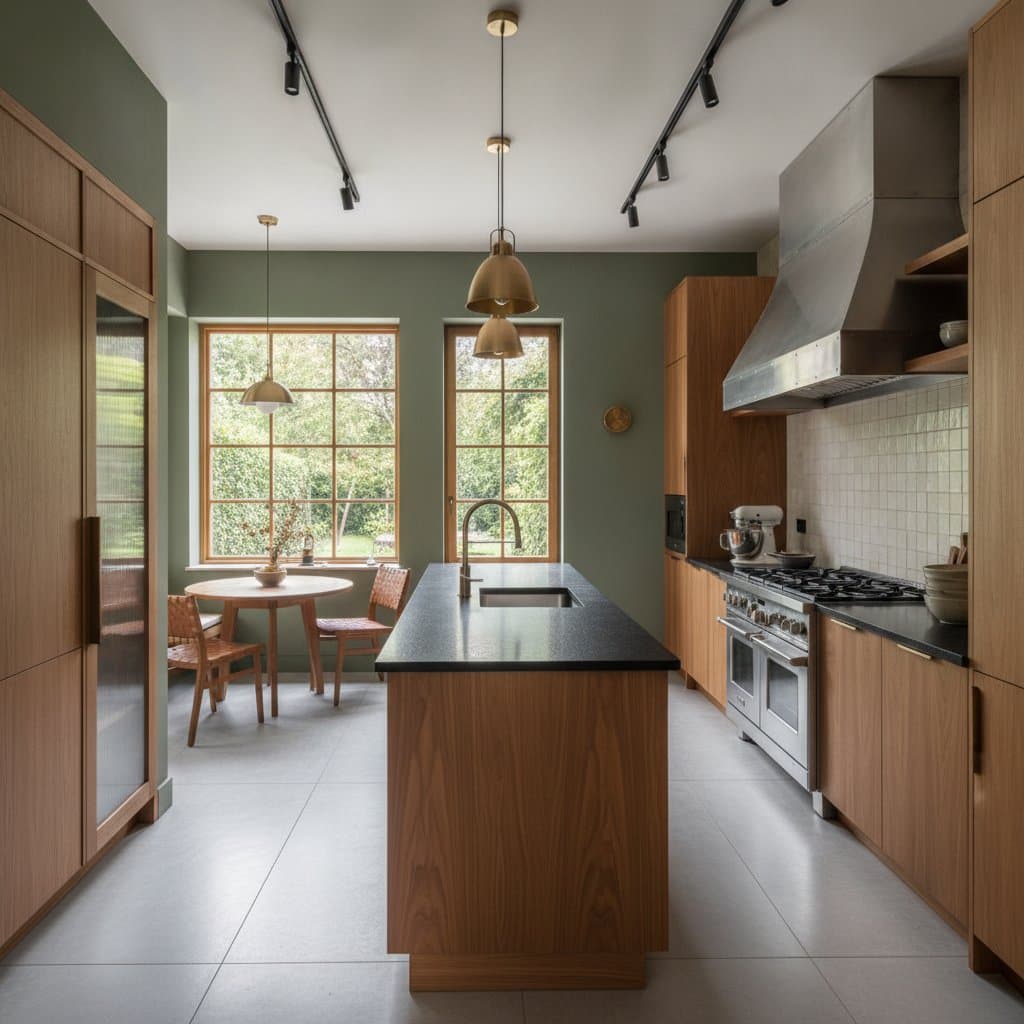
Reversing the Open Concept: Kitchen Walls Return
Home design trends have a habit of circling back, and the kitchen is no exception. After years of knocking down walls to create open layouts, many homeowners are now rebuilding them. The open concept once promised connection and flexibility. Reality has reminded people that noise, clutter, and cooking odors are not always welcome guests in living areas.
The return of the closed kitchen is not about nostalgia. It is about reclaiming function, privacy, and order in the home. These practical rules explain why the shift is happening and how to make it work beautifully.
Control Noise and Smell
Open layouts spread sound and odor through the entire living area. Ventilation often struggles to keep up, especially in smaller homes. One client with an open kitchen and vaulted ceiling found the sound of clattering pans echoing through every conversation. A closed plan solved it instantly by absorbing noise and containing smells.
Use solid partitions or partial walls to define the space. A full wall can include a pocket door or glass panel to allow light without leaking sound. Choose acoustic insulation rated for kitchen walls, such as mineral wool or cellulose, to reduce airborne noise. Install a range hood with at least 350 CFM airflow capacity to capture grease and vapor.
You create a quieter, fresher environment where cooking feels private and comfortable. The rest of the home remains peaceful.
Manage Traffic Flow
When walls return, poor circulation can make the kitchen feel cramped or disconnected from the rest of the house. In one renovation, an enclosed kitchen was rebuilt with two access points to prevent bottlenecks. That small decision kept the space functional and family friendly.
Provide at least two clear entry routes if possible. One leads to the dining area and another to a hallway or mudroom. Keep doorways at least 32 inches wide to meet accessibility standards. If space allows, use pocket or sliding doors to save swing clearance. Maintain a minimum of 36 inches between cabinetry and obstacles for safe movement.
The kitchen feels like a defined room, yet it still connects easily to daily living patterns. Movement stays efficient without the chaos of a fully open plan.
Balance Privacy With Connection
Some homeowners fear a closed kitchen will isolate the cook. The best designs create visual connection without full exposure. Partial walls, interior windows, or wide cased openings allow conversation without sharing every detail.
Incorporate half walls or pass throughs that align with counter height. These keep the cook involved in nearby activities while hiding the mess of meal prep. Counter height walls usually measure 42 inches. Add a ledge or overhang of 10 to 12 inches for casual serving space.
The design keeps the social energy alive but restores privacy and order.
Reclaim Character and Craftsmanship
Open plans often erase architectural detail. Walls were removed, moldings simplified, and craftsmanship lost. Rebuilding provides an opportunity to restore moldings, niches, and built in storage that reflect personal style.
Select materials and finishes that match the rest of the house. This approach turns the kitchen into a purposeful room rather than a utilitarian zone.
Living With Your Design
A closed kitchen supports daily routines by containing activity and preserving calm throughout the home. Thoughtful details ensure the space remains welcoming without sacrificing separation.