Why Homeowners Are Adding Walls Back to Kitchens
Picture standing in an open kitchen while cooking dinner. Children argue over homework in the adjacent space. The dog runs through the living room. Cooking odors mix with laundry scents. A television broadcasts a game that no one planned to watch. The once appealing great room loses its appeal under these conditions.
Homeowners now consider adding walls to kitchens for better separation. This shift stems from needs for practicality and comfort. Open layouts often prove costly to heat and cool. They also require more effort to furnish and maintain. Defined zones appeal to buyers who seek functional rooms rather than a single large area.
The following sections explain the drivers behind enclosed kitchens. They also show how to adopt the approach while preserving desirable elements of openness.
Updated Approaches to Enclosure
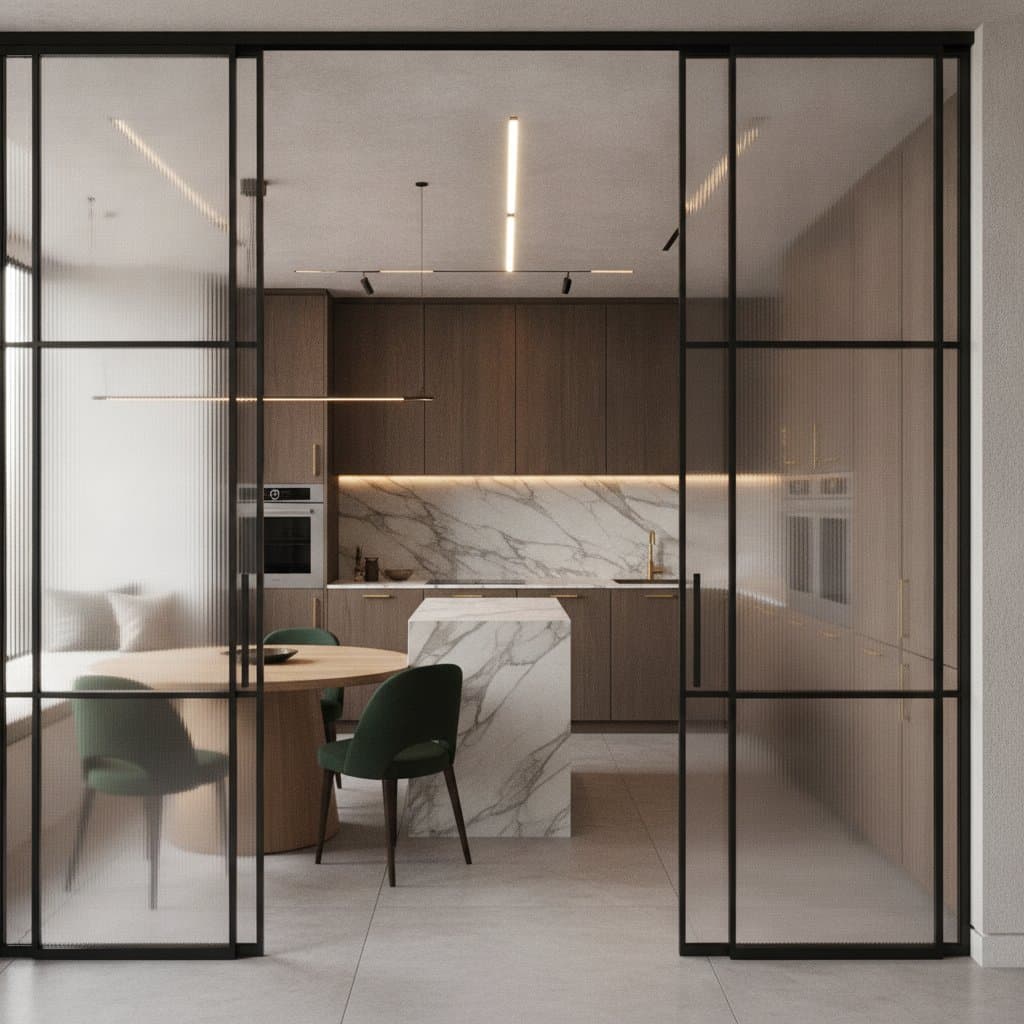
Modern enclosed kitchens differ from older galley styles. Walls return in lighter and more flexible forms. Options include glass partitions, pocket doors, and half walls. These features permit light and conversation to pass when desired. They provide privacy at other times.
Partial Dividers
Many homeowners choose one or two strategic partitions. This method defines zones without full separation. Common choices include a half wall with shelving above it. Sliding glass panels reduce sound while preserving views. A dual entry layout links the kitchen to the dining area without direct exposure.
Partial work typically ranges from two thousand to five thousand dollars. Costs depend on chosen materials. Drywall or reclaimed wood keeps expenses lower. The approach allows later changes if preferences shift.
Complete Four Wall Designs
Some projects restore a traditional layout with updates. Light reflecting surfaces and larger windows prevent a closed in feeling. Integrated lighting supports visibility throughout the space. The result forms a self contained area that functions as a deliberate retreat.
Architect Victor Huang notes that closed spaces avoid claustrophobia through these elements. Natural light and thoughtful storage maintain brightness comparable to open plans.
Cost Ranges for Enclosure Work
Project expenses vary by scope. The table below lists typical ranges.
| Project Type | Average Cost Range | Budget Tips |
|---|---|---|
| Add partial wall or divider | $2,000 - $5,000 | Select drywall or reclaimed wood for lower cost appeal |
| Install sliding glass doors | $4,000 - $8,000 | Specify tempered glass to improve safety and sound reduction |
| Build a full wall with finishes | $5,000 - $10,000 | Limit changes to electrical and plumbing lines |
| Full kitchen remodel in closed layout | $30,000 - $55,000 | Establish layout before selecting finishes |
Reversing an open concept requires an additional fifteen hundred to three thousand dollars for review and permits. Structural evaluation prevents larger expenses later.
Savings come from reuse of existing cabinetry with fresh paint or hardware. Keep plumbing lines in their current positions. Decorative panels offer separation without full structural work.
Higher spending makes sense for ventilation systems. Quality lighting affects daily use and future sale price. Solid doors and trim finishes produce a complete appearance.
Questions to Address Before Construction
Some home layouts resist simple enclosure. Load bearing walls or central heating systems may require professional assessment. A structural engineer or contractor reviews options in advance.
Consider these points prior to any work. How will the change affect available light and airflow? Can existing electrical and plumbing lines remain in place? Will the result support or reduce value in the local market? Are permits necessary for the planned structural work? What total budget covers all finishes and labor?
Responses to these points guide the choice between full enclosure, partial partitions, or visual separation through furniture placement.
Assessing Your Kitchen Layout Options
Review current traffic patterns and daily routines. Test sample partitions with temporary materials before permanent installation. This step confirms the design meets practical needs while controlling overall expense.